
By Jennifer Swink | Celebrity Skin Scottsdale
Post-inflammatory hyperpigmentation (PIH) is one of the most common causes of dark spots that develop after acne, eczema, insect bites, rashes, cosmetic procedures, and other forms of skin inflammation. PIH occurs when inflammation stimulates excess melanin production, leaving behind areas of discoloration that can remain for months after the original skin condition has healed. While post-inflammatory hyperpigmentation can affect all skin types, it is especially common in individuals with darker skin tones because pigment-producing cells are more reactive to inflammation. Understanding what causes post-inflammatory hyperpigmentation and how to treat it can help improve skin tone while reducing the risk of future discoloration.
Table of Contents
What Is Post-Inflammatory Hyperpigmentation?
These lingering dark spots develop after the skin experiences inflammation or injury. Unlike acne scars, which affect skin texture, post-inflammatory discoloration affects skin color.
Common causes include:
- Acne
- Eczema
- Insect bites
- Allergic reactions
- Cuts and scrapes
- Burns
- Cosmetic procedures
- Picking blemishes
Many people believe they have acne scars when they actually have PIH.
What Causes Post-Inflammatory Hyperpigmentation?
PIH develops when inflammation triggers melanocytes to produce excess melanin. The more inflammation present, the greater the risk of developing pigmentation.
Acne is one of the most common triggers. Picking, squeezing, or over-treating acne can significantly worsen dark spots.
If you continue to experience breakouts, treating the acne itself is often the first step toward improving pigmentation.
Learn more about the causes of acne on our Acne Conditions page:
https://celebrityskinscottsdale.com/acne-conditions
PIH vs. Acne Scars
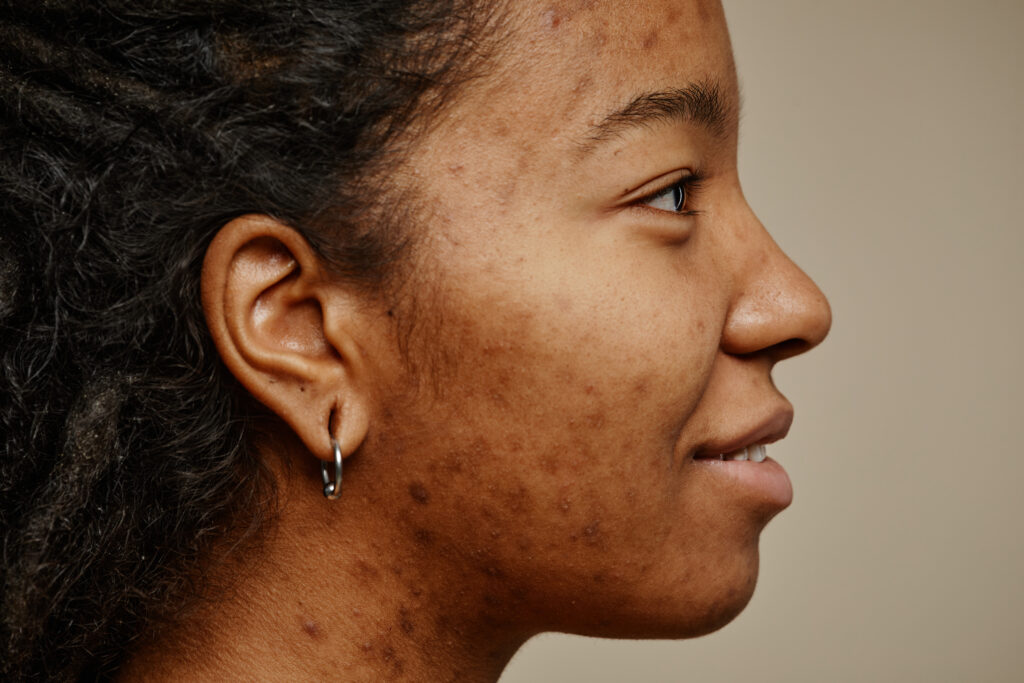
One of the biggest misconceptions is that dark spots after acne are always scars.
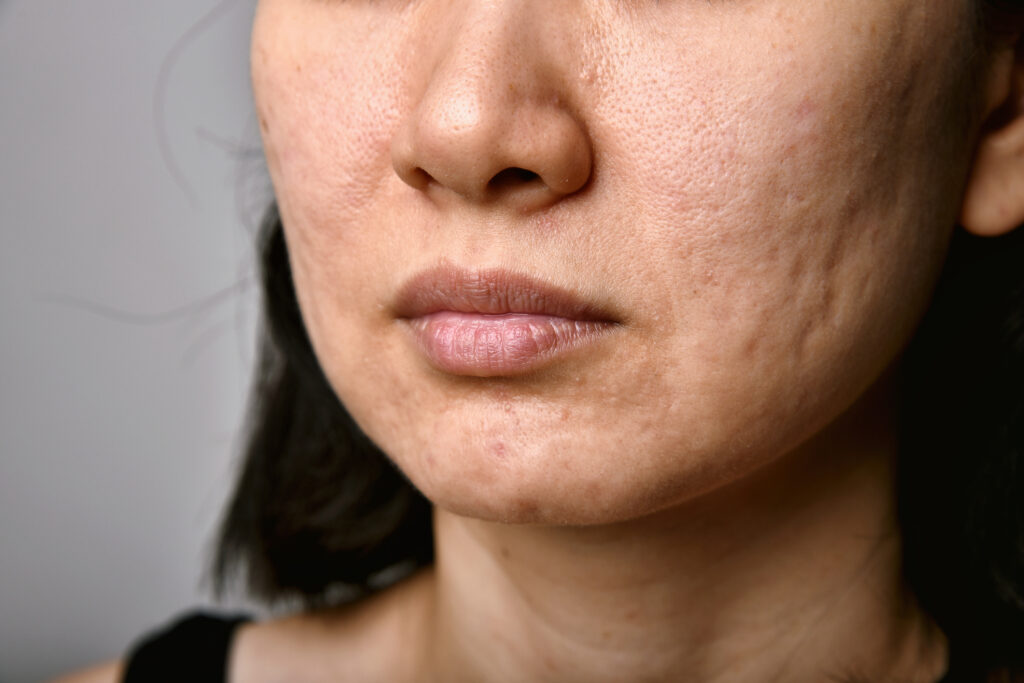
Acne scars involve permanent changes in skin texture, while post-inflammatory hyperpigmentation affects skin color. If the area feels smooth but appears darker than the surrounding skin, post-inflammatory hyperpigmentation may be the primary concern.
How Long Does Post-Inflammatory Hyperpigmentation Take to Fade?
One of the most frustrating aspects of this type of brown spot is how slowly it improves. While the acne breakout, insect bite, or rash may heal within days or weeks, the discoloration can remain much longer.
Mild post-inflammatory hyperpigmentation may begin improving within 3 to 6 months, while more significant pigmentation often takes 6 to 12 months or longer to fade. In some cases, particularly when pigmentation is deeper or repeatedly triggered by ongoing inflammation, improvement may take several years without treatment.
People with darker skin tones often experience longer recovery times because melanocytes, the cells responsible for producing pigment, are more active and responsive to inflammation. As a result, darker skin may produce more melanin following an acne breakout or skin injury, creating pigmentation that is often darker and more persistent.
Research shows that PIH can persist for months and, in some cases, years depending on the depth of pigmentation, severity of inflammation, skin tone, and whether new inflammation continues to occur. Deeper pigmentation and ongoing acne often prolong recovery, making early treatment and prevention especially important.
Study: Post-inflammatory Hyperpigmentation: A Review of the Epidemiology, Clinical Features, and Treatment Options
https://pmc.ncbi.nlm.nih.gov/articles/PMC2921758
The good news is that these dark spots are not permanent. Consistent skincare, professional treatments, controlling active acne, and avoiding unnecessary irritation can significantly accelerate improvement.
Why Is Post-Inflammatory Hyperpigmentation More Common in Darker Skin Tones?
Although post-inflammatory hyperpigmentation can affect anyone, it is more common in people with darker skin tones and skin of color.
Melanin-rich skin contains more active pigment-producing cells, making it more likely to develop discoloration after inflammation. Even relatively minor acne breakouts may leave behind noticeable dark spots.
Studies have found that PIH is one of the most common dermatologic concerns among individuals with skin of color. Because melanocytes are more active and responsive to inflammation, even relatively minor acne breakouts, eczema flares, or cosmetic procedures may result in noticeable discoloration that can persist long after the initial inflammation has resolved.
Study: Acne and Post-Inflammatory Hyperpigmentation in Skin of Color
https://pmc.ncbi.nlm.nih.gov/articles/PMC9165627
Individuals concerned about hyperpigmentation in melanin-rich skin can learn more on our Ethnic Skin Conditions page:
https://celebrityskinscottsdale.com/ethnic-skin-conditions
Why More Aggressive Treatment Is Not Always Better
One of the biggest mistakes people make when treating post-inflammatory hyperpigmentation is assuming that stronger treatments will produce faster results.
While it may seem logical to use the strongest chemical peel, highest percentage lightening product, or most aggressive treatment available, excessive irritation can actually worsen these types of brown spots, particularly in individuals with darker skin tones.
In darker skin tones, excessive irritation can trigger additional inflammation and melanin production, sometimes causing hyperpigmentation to worsen rather than improve. For this reason, treatment plans often produce the best results when they begin conservatively and progress gradually based on the skin’s response.
In many cases, a gradual approach produces better long-term results than aggressively treating the skin from the start.
For individuals with melanin-rich skin, treatment often works best when the skin is first prepared with appropriate home care before progressing to stronger treatments if necessary. This may include improving skin barrier function, reducing inflammation, controlling active acne, and introducing pigment-correcting ingredients prior to more advanced procedures.
Starting with less aggressive treatments and gradually increasing treatment intensity allows the skin to respond while minimizing the risk of additional inflammation and pigment production.
Patience is often rewarded when treating post-inflammatory hyperpigmentation. The goal is not simply to remove pigment as quickly as possible but to improve discoloration while maintaining overall skin health.
How to Treat Post-Inflammatory Hyperpigmentation
Control Active Acne
If new acne lesions continue to develop, new pigmentation can continue to form. Managing active acne is often the foundation of successful treatment.
Learn more about acne treatment on our Acne Conditions page:
https://celebrityskinscottsdale.com/acne-conditions
Professional Skincare Ingredients
Several ingredients may help improve post-inflammatory hyperpigmentation by reducing excess pigment production and encouraging skin renewal.
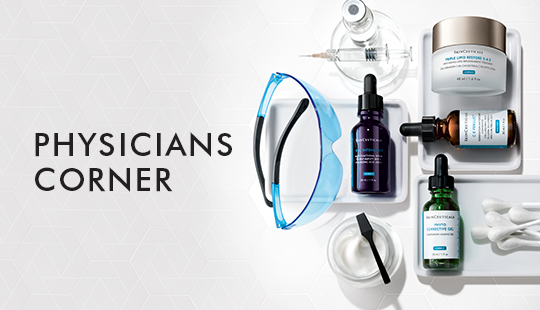
Commonly recommended ingredients include:
- Vitamin C
- Azelaic Acid
- Retinoids
- Niacinamide
- Tranexamic Acid
- Hydroquinone
Hydroquinone is often considered the gold standard for treating hyperpigmentation because it can effectively reduce excess pigment production. However, it remains somewhat controversial due to the potential for irritation, rebound pigmentation, and complications associated with long-term misuse. This is especially important for individuals with darker skin tones, where irritation itself can sometimes trigger additional pigmentation.
The most effective treatment plan depends on:
- Skin type
- Skin tone
- Pigmentation depth
- The underlying cause of the discoloration
- Individual skin sensitivity
The most effective treatment plan depends on skin type, skin tone, pigmentation depth, and the underlying cause of the discoloration.
Chemical Peels
Customized chemical peels can help accelerate skin cell turnover and gradually improve post-inflammatory hyperpigmentation. Treatment selection is especially important for darker skin tones, where overly aggressive treatments may worsen pigmentation.
Research has shown that superficial chemical peels can be beneficial for treating post-inflammatory hyperpigmentation when selected appropriately. However, individuals with darker skin tones often benefit from a more conservative approach that emphasizes proper skin preparation, gradual treatment progression, and adequate healing time between procedures to minimize the risk of additional pigmentation.
Study: Postinflammatory Hyperpigmentation: A Review of the Epidemiology, Clinical Features, and Treatment Options
https://pmc.ncbi.nlm.nih.gov/articles/PMC2921758
Learn more about our Chemical Peel Treatments:
https://celebrityskinscottsdale.com/chemical-peels
Treatment Timing Matters
When treating post-inflammatory hyperpigmentation, more frequent treatments are not always better.
The skin requires time to heal, regenerate, and respond to treatment. Performing chemical peels too frequently or advancing to stronger peels before the skin has fully recovered can increase inflammation and potentially trigger additional pigmentation.
Just because the skin has finished peeling does not mean it has fully recovered. The deeper healing process continues after visible peeling has stopped, which is why spacing treatments appropriately is often just as important as the treatment itself.
This is especially important for individuals with darker skin tones, who may be more susceptible to pigment changes following irritation.
Appropriate pre-treatment preparation, professional guidance, and post-treatment care are often just as important as the treatment itself. Allowing the skin adequate recovery time between procedures helps support healthier healing and may ultimately produce better long-term results than repeatedly “blasting” the skin with aggressive treatments.
For many individuals, a series of properly spaced treatments combined with consistent home care produces safer and more predictable results than pursuing the most aggressive option available.
Personalized Treatment Plans
Because every case of post-inflammatory hyperpigmentation is different, professional evaluation can help determine the safest and most effective treatment approach.
Schedule a Skin Consultation + Treatment:
https://celebrityskinscottsdale.com/skin-consultation-treatment
How to Prevent Post-Inflammatory Hyperpigmentation
The best prevention strategies include:
- Treat acne early
- Avoid picking or squeezing blemishes
- Avoid over-exfoliation
- Minimize unnecessary skin irritation
- Follow recommended pre- and post-treatment instructions
- Allow adequate healing time between procedures
- Protect skin from excessive sun exposure
- Seek professional guidance before aggressive treatments
Preventing inflammation is often easier than treating pigmentation once it develops.
Frequently Asked Questions
What is post-inflammatory hyperpigmentation (PIH)?
Post-inflammatory hyperpigmentation is discoloration that develops after skin inflammation or injury. It commonly appears as dark spots following acne, eczema, insect bites, or other inflammatory skin conditions.
Is pIH the same as an acne scar?
No. Acne scars affect skin texture, while post-inflammatory hyperpigmentation affects skin color.
Why do dark spots remain after acne heals?
Inflammation stimulates excess melanin production, which can remain visible long after the acne has resolved.
How long does post-inflammatory hyperpigmentation take to fade?
Mild post-inflammatory hyperpigmentation may begin fading within 3 to 6 months, while more significant pigmentation can take 6 to 12 months or longer. Individuals with darker skin tones often experience slower fading because pigment-producing cells are more reactive to inflammation.
Why is pIH more common in darker skin tones?
People with darker skin tones have more active melanocytes, making them more likely to develop pigmentation after inflammation.
Can chemical peels help post-inflammatory hyperpigmentation?
Yes. Properly selected chemical peels can help improve post-inflammatory hyperpigmentation while supporting overall skin renewal.
Is hydroquinone safe for Dark Spots?
Hydroquinone can be highly effective for treating hyperpigmentation when used appropriately. However, because it can sometimes cause irritation or rebound pigmentation, it is often best used under professional supervision.
Final Thoughts
Post-inflammatory hyperpigmentation is one of the most common causes of lingering dark spots after acne and other inflammatory skin conditions. While these marks can take months to fade, understanding what causes dark spots and treating it appropriately can significantly improve results.
For individuals with darker skin tones, patience, proper skin preparation, individualized treatment plans, and avoiding overly aggressive procedures are often the keys to success. In many cases, a gradual approach that minimizes inflammation produces better long-term outcomes than attempting to remove pigment as quickly as possible.