
By Jennifer Swink | Celebrity Skin
Why isn’t my skincare working? If your skincare routine or professional treatments aren’t delivering the results you expected, the problem usually isn’t one bad product or one missed treatment. More often, it’s a combination of factors such as an incorrect diagnosis, using the wrong products, treating the symptom instead of the cause, lifestyle habits, hormones, inadequate sun protection, or unrealistic expectations. Once you identify what’s standing in your way, achieving healthier skin becomes much more attainable.
Table of Contents
If you’ve ever asked yourself, “Why isn’t my skincare working?” you’re not alone.
After more than 25 years of treating acne, hyperpigmentation, melasma, acne scars, and aging skin, I’ve found that people who aren’t seeing results are rarely dealing with just one problem. Most have several skin concerns at the same time—such as acne and hyperpigmentation, fine lines and sun damage, or sensitivity and a weakened skin barrier—and each requires a different approach.
Professional skincare can produce remarkable improvements, but it can’t stop the natural aging process or make 60-year-old skin look 30 again. The goal isn’t perfection. It’s healthier, stronger, more resilient skin that helps you look like the best version of yourself.
Over the years, I’ve found that almost every reason skincare doesn’t work falls into three categories:
- Diagnosis: Are you treating the correct skin condition?
- Foundation: Is your body giving your skin what it needs to repair itself, build collagen, and function at its best?
- Strategy: Do you have the right treatment plan, and have you given it enough time to work?
Let’s look at the 11 most common reasons your skincare may not be working—and what you can do to finally start seeing better results.
1. You’re Treating the Wrong Skin Condition
Many skin conditions look alike but require completely different treatment.
Melasma is often mistaken for sun spots. Post-inflammatory hyperpigmentation (PIH) is frequently confused with acne scars. Rosacea can resemble adult acne. Even dry skin and dehydrated skin are not the same condition.
If the diagnosis is incorrect, even excellent products and professional treatments may never deliver the results you’re hoping for.
Before purchasing another serum or scheduling another procedure, make sure you understand exactly what you’re treating. If you’re unsure whether your discoloration is melasma or post-inflammatory hyperpigmentation, read Skin Pigmentation Types, Causes and Treatment.
One of the biggest mistakes I see is assuming all brown spots—or all breakouts—are the same. They’re not. Once the correct condition is identified, treatment becomes much more predictable, saving both time and money while producing better long-term results.
2. You’re Treating the Symptom Instead of the Cause
Clearing a breakout or fading a dark spot doesn’t always address what’s causing it.
Acne may be influenced by hormones, insulin resistance, chronic inflammation, or certain medications. Hyperpigmentation develops because something triggered inflammation. Dry, flaky skin may actually be dehydration, a damaged skin barrier, or even an underlying medical condition.
For an example, a systematic review and meta-analysis in the Journal of the American Academy of Dermatology linking acne to insulin resistance — supports the point that acne is often driven by something internal, not just what’s on the skin.
Treating the visible symptom without addressing what’s driving it often leads to temporary improvement—or no improvement at all.
The best long-term results usually come from looking beyond the surface and asking, “Why is this happening?” rather than simply, “What product should I use?”
3. You’re Using the Wrong Products or Routine
More products don’t necessarily produce better results.
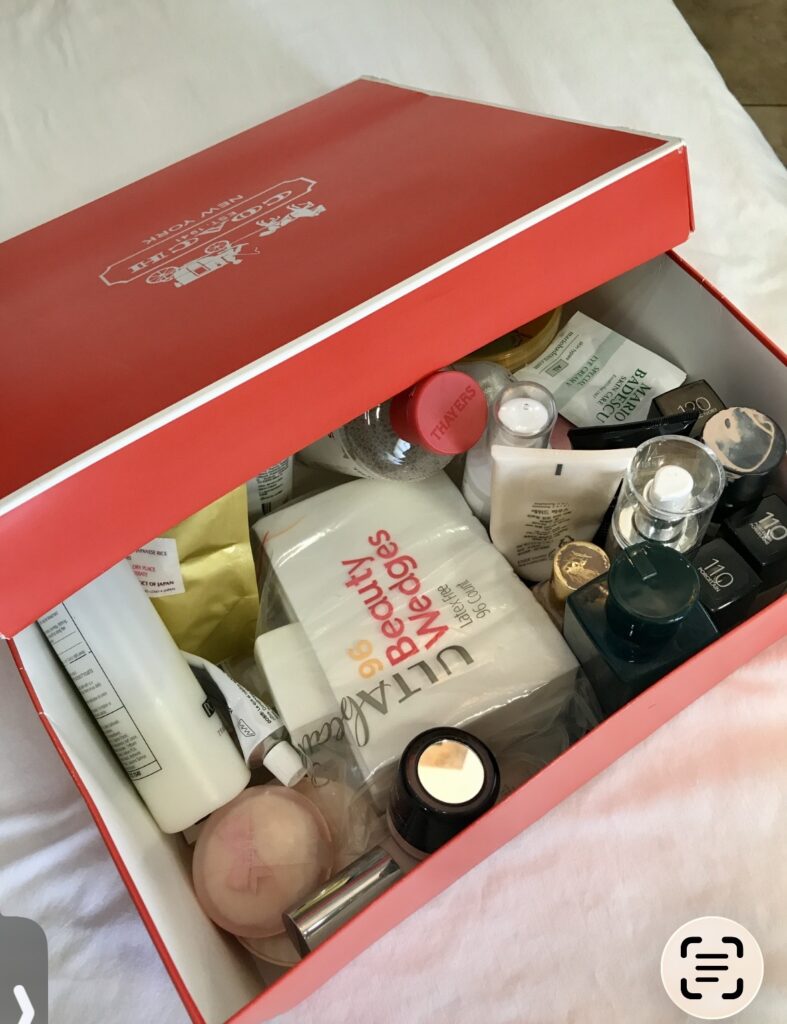
In fact, using too many products, over-exfoliating, layering incompatible active ingredients, or following skincare trends from social media can actually make your skin worse.
The most effective skincare routine isn’t the longest or most expensive—it’s the one that’s appropriate for your skin type, concerns, and goals. The American Academy of Dermatology’s recommendations for a consistent skincare routine show that using the right products consistently is far more important than constantly trying something new.
If your routine feels complicated and your skin still isn’t improving, a professional consultation can often simplify your routine and help you determine exactly what to keep, what to eliminate, and what may be missing.
4. Your Lifestyle Is Working Against Your Skin
Your skin can only work with the resources your body provides.
Protein, nutrition, hydration, blood sugar balance, stress, sleep, smoking or vaping, and regular physical activity all influence your skin’s ability to repair itself, build collagen, maintain a healthy skin barrier, and respond to treatment.
Professional treatments and medical-grade skincare don’t replace healthy habits—they work best when they’re supporting healthy skin rather than trying to overcome obstacles working against it every day.
If you’re investing in your skin, don’t overlook the importance of what’s happening inside your body.
For a deeper look at nutrition and skin health, read Best Diets for Healthy Skin and Can You Rebuild Collagen Naturally?
5. Hormones or an Underlying Medical Condition May Be Involved
Sometimes your skin is telling you something about your overall health.
Menopause, polycystic ovary syndrome (PCOS), thyroid disorders, insulin resistance, pregnancy, certain medications, autoimmune conditions, and other medical conditions can all affect your skin.
If a skin concern develops suddenly, becomes significantly worse, or doesn’t respond to appropriate treatment, it may be worth discussing with your healthcare provider while continuing your skincare plan.
Your skin is often one piece of a much larger picture.
6. Sun Exposure Is Undoing Your Progress

You don’t need a sunburn for ultraviolet exposure to affect your skin.
“Even small amounts of daily unprotected sun contribute to collagen breakdown, uneven pigmentation, and premature aging, and foundational research on photoaging confirms that UV exposure — far more than the passage of time alone — is the primary driver of how quickly skin visibly ages.”
Think of daily sun protection as protecting the investment you’re already making in your skin.
Practice daily sun protection by applying a broad-spectrum SPF 30 or higher, seeking shade when appropriate, wearing protective clothing and hats during prolonged outdoor activities, and avoiding unnecessary sun exposure during peak hours whenever possible.
7. You’re Expecting Results Too Quickly
Healthy skin doesn’t change overnight.
Your skin needs time to repair itself, build new collagen, reduce inflammation, and replace damaged skin cells. While some improvements may be noticeable within a few weeks, most professional treatments and active skincare ingredients require at least 6 to 12 weeks of consistent use, and concerns such as acne scarring, melasma, and collagen loss often continue improving over 3 to 12 months with the right treatment plan.
One of the best ways to track your progress is by taking photos every 4 to 6 weeks under the same lighting instead of judging your skin every morning in the mirror. Small improvements are often easier to recognize over time than they are from day to day.
Healthy skin is built through consistency and patience. Give your treatment plan enough time to work before deciding it isn’t working.
8. You Keep Switching Products or Treatments
It’s tempting to try the latest product or social media trend when you’re frustrated with your skin.
Unfortunately, constantly changing your skincare routine makes it difficult to know what’s actually working—and it doesn’t give your skin enough time to respond.
Another common mistake is mixing products from multiple skincare lines because you heard good things about each one. While some products can work well together, others were never designed to be combined. Layering too many active ingredients or mixing incompatible products can increase irritation, damage your skin barrier, and sometimes make your skin concerns worse.
In a way, it’s like becoming your own chemist. Unless you understand how ingredients interact, you may be creating a routine that works against your skin instead of helping it.
Unless a product is causing irritation or your provider recommends a change, give your skincare routine and treatment plan enough time to work before deciding it has failed.
Healthy skin is built through consistency—not by constantly chasing the next new product or trend.
9. You’re Trying to Fix Every Concern With One Treatment
Many people have several skin concerns at the same time.
You may be dealing with acne, pigmentation, enlarged pores, redness, uneven texture, and collagen loss all at once. Expecting one product or one treatment to fix every concern usually leads to disappointment because different skin concerns develop differently and respond to different therapies.
Instead, I often recommend treatment stacking—combining treatments that each address a different concern. For example, microneedling may help stimulate collagen, chemical peels can improve pigmentation and skin texture, while LED Light Therapy helps reduce inflammation and supports your skin’s natural repair process.
Research has shown that combination therapy often produces better outcomes than a single treatment alone for many skin conditions, including acne, because different therapies work through different mechanisms.
Rather than asking which treatment is “best,” the better question is, “Which combination of treatments and home care is most appropriate for my skin concerns and goals?”
10. You’re Expecting Perfection Instead of Improvement
Social media filters, edited photographs, celebrity endorsements, and aggressive anti-aging marketing have changed what many people believe healthy skin should look like.
Every day we’re told there’s a newer laser, a better injectable, a miracle cream, or the latest skincare ingredient that will finally solve every skin concern. While many treatments can produce excellent results, no product or procedure is a magic solution, and not every treatment is appropriate for every person. In some cases, choosing the wrong treatment can even make certain skin conditions worse.
Professional skincare can produce remarkable improvements, but it can’t stop the natural aging process or make 60-year-old skin look 30 again.
If your breakouts are less frequent, your pigmentation has faded, your skin feels healthier, your texture is smoother, or your fine lines are softer than they were six months ago, that’s success.
The goal isn’t flawless skin.
The goal is healthier, stronger, more resilient skin that ages as well as it can and helps you look like the best version of yourself.11. Your Recommendations May Not Be Coming From the Right Source
11. You’re Getting Advice That Isn’t Right for Your Skin
There has never been more skincare information available than there is today—but not all of it is accurate.
Social media, influencers, retail sales associates, friends, and even well-meaning family members often recommend products based on personal experience rather than education, training, or clinical experience.
That doesn’t necessarily mean the advice is wrong—it simply may not be right for your skin.
Every skin type, skin tone, lifestyle, medical history, and skin condition is different. The best skincare recommendations come from someone who understands your specific concerns, has experience treating your skin type, and can develop a personalized treatment plan rather than recommending a one-size-fits-all solution.
If you’ve tried multiple products and treatments without success, it may be time to seek guidance from someone with extensive hands-on experience treating your specific skin concerns. An accurate diagnosis and a personalized treatment plan can often save months—or even years—of frustration.
A Quick Skin Check
Before you decide that your skincare products or treatments aren’t working, take a moment to ask yourself these questions:
- Am I treating the correct skin condition, or could I have the wrong diagnosis?
- Am I treating the underlying cause or just the visible symptoms?
- Is my skincare routine appropriate for my skin type and concerns?
- Are my nutrition, sleep, stress levels, and other lifestyle habits supporting healthy skin?
- Am I practicing daily sun protection to protect the progress I’ve already made?
- Have I given my skincare routine and treatment plan enough time to work?
- Am I expecting realistic improvement instead of perfection?
- Am I getting advice from someone with experience treating my specific skin concerns and skin type?
If you answered “no” to even one of these questions, you may have identified what’s standing between your skin today and the healthier skin you’re working toward.
The good news? Most of these obstacles can be improved. Sometimes a few small changes are all it takes to start seeing better results.
The Bottom Line
If your skincare routine or professional treatments aren’t giving you the results you expected, don’t assume that skincare doesn’t work.
More often than not, the problem isn’t one bad product or one missed treatment. It’s a combination of factors, such as an incorrect diagnosis, treating the symptom instead of the cause, using the wrong products, lifestyle habits, hormones, inadequate sun protection, unrealistic expectations, or simply not giving your treatment plan enough time to work.
The good news is that most of these obstacles can be identified—and improved.
Healthy skin isn’t about finding one miracle product or chasing the latest trend.
It’s about getting the right diagnosis, building a strong foundation, and following a personalized treatment strategy that’s designed for your skin—not someone else’s.
When those three pieces come together, healthy, beautiful skin becomes much more achievable.
Ready to Take the Next Step?
If you’re tired of guessing which products to buy, which treatments to choose, or why your skin still isn’t improving, you don’t have to figure it out on your own.
Whether you’re struggling with acne, acne scars, hyperpigmentation, melasma, or signs of aging, the first step is understanding why your skin is behaving the way it is. From there, we can create a personalized treatment plan designed specifically for your skin, your goals, and your lifestyle.
Celebrity Skin Scottsdale offers in-person skin consultations for clients throughout Scottsdale and the Phoenix area, as well as virtual acne consultations for clients outside Arizona.
Healthy skin starts with the right diagnosis, the right plan, and the right guidance. If you’re ready to stop guessing and start making real progress, I’d love to help. Schedule your consultation today.
Frequently Asked Questions
Why isn’t my skincare routine working?
Common reasons include treating the wrong skin condition, using products that aren’t appropriate for your skin, inconsistent use, unrealistic expectations, lifestyle factors, hormonal changes, or an incorrect diagnosis.
How long should I wait before deciding if a product or treatment is working?
Most professional treatments and active skincare ingredients require at least 6 to 12 weeks of consistent use before significant improvement is visible, although this varies depending on the treatment and the skin concern.
Can I have more than one skin concern at the same time?
Absolutely. It’s common to have acne, hyperpigmentation, fine lines, enlarged pores, redness, and sensitivity at the same time. Each concern may require a different treatment approach.
Does my lifestyle really affect my skin?
Yes. Nutrition, protein intake, sleep, stress, smoking, hydration, hormones, and daily sun protection all influence your skin’s ability to repair itself and respond to skincare products and professional treatments.
Should I keep changing products if I’m not seeing results?
Usually not. Unless a product is causing irritation, consistency is often more effective than frequently changing your skincare routine.
Why do professional treatments usually require multiple sessions?
Many skin concerns develop gradually over months or years. Multiple treatments allow your skin time to build collagen, improve pigmentation, reduce inflammation, and produce safe, natural-looking results.
Can hormones affect my skin even as an adult?
Yes. Hormonal changes related to menopause, pregnancy, PCOS, thyroid disorders, insulin resistance, and certain medications can all contribute to acne, pigmentation, dryness, and other skin concerns.
Is it worth scheduling a professional consultation if I’ve already tried everything?
Often, yes. A professional consultation can help identify whether you’re treating the wrong condition, overlooking an underlying cause, or using products and treatments that aren’t the best fit for your skin. Sometimes a few targeted changes make a significant difference.