
By Jennifer Swink | Celebrity Skin
Quick Answer
There are many types of exfoliation, and each one removes dead skin cells in a different way to reveal smoother, brighter, healthier-looking skin. Regular exfoliation can improve skin texture, enhance product absorption, reduce the appearance of dullness, and support your skin’s natural renewal process.
The different types of exfoliation include mechanical exfoliation, chemical exfoliation, enzyme exfoliation, retinoids, dermaplaning, microdermabrasion, and professional chemical peels. Each works differently and is appropriate for different skin types, concerns, and goals. Choosing the right method—and using it at the right frequency—is essential for maintaining healthy skin while avoiding irritation or damage.
In this guide, you’ll learn about the different types of exfoliation, how each one works, who it’s best for, how often to exfoliate, common mistakes to avoid, and how to choose the best exfoliation method for your skin.
Table of Contents
Why Exfoliation Matters
Your skin is constantly renewing itself. New skin cells are produced in the deepest layer of the epidermis and gradually move toward the surface, where older cells are naturally shed. In younger skin, this cycle typically takes about 28 days. As we age, however, this process slows, allowing dead skin cells to remain on the surface longer.
One reason this happens is because younger skin generally produces more sebum, your skin’s natural oil. Sebum helps support a healthy skin barrier and allows dead skin cells to shed more easily. As we age, our skin naturally produces less oil. Skin often becomes drier, making it easier for dead skin cells to cling to the surface instead of shedding normally.
Research on skin aging has shown that epidermal cell turnover slows as we age, contributing to dullness, dryness, and the accumulation of dead skin cells on the skin’s surface. This slower renewal process is one reason mature skin often benefits from appropriate exfoliation.
Climate can also play a role. Living in a dry, low-humidity environment, such as Arizona, may contribute to drier skin, allowing dead skin cells to accumulate more easily. Certain skin types, medical conditions, medications, and skincare habits can also influence how efficiently your skin renews itself.
People with acne often experience a different problem. Instead of shedding normally, dead skin cells stick together inside the hair follicle. Combined with excess oil, this can clog pores and contribute to blackheads, whiteheads, and inflammatory acne.
When dead skin cells accumulate, your skin may appear:
- Dull
- Rough
- Dry or flaky
- Congested
- Uneven in tone or texture
- Less radiant
Dead skin buildup can also reduce how evenly moisturizers, antioxidants, retinoids, and other skincare products contact the skin’s surface.
Regular, appropriate exfoliation helps remove this excess buildup and supports your skin’s natural renewal process. As newer, healthier-looking skin cells move to the surface, skin often appears smoother, brighter, more even, and better hydrated. Exfoliation also helps skincare products contact the skin more effectively, allowing them to perform as intended.
According to the American Academy of Dermatology, choosing the right exfoliation method for your skin type is important because using the wrong method or exfoliating too aggressively can lead to irritation, increased redness, acne breakouts, and damage to the skin barrier rather than healthier skin.
The Different Types of Exfoliation
Although there are many types of exfoliation, they all share the same goal—removing excess dead skin cells to support healthier, smoother-looking skin.
Choosing between the different types of exfoliation can be hard to descide on your own. Neither method is universally better. Each has advantages, limitations, and ideal uses depending on your skin type, concerns, lifestyle, and treatment goals.
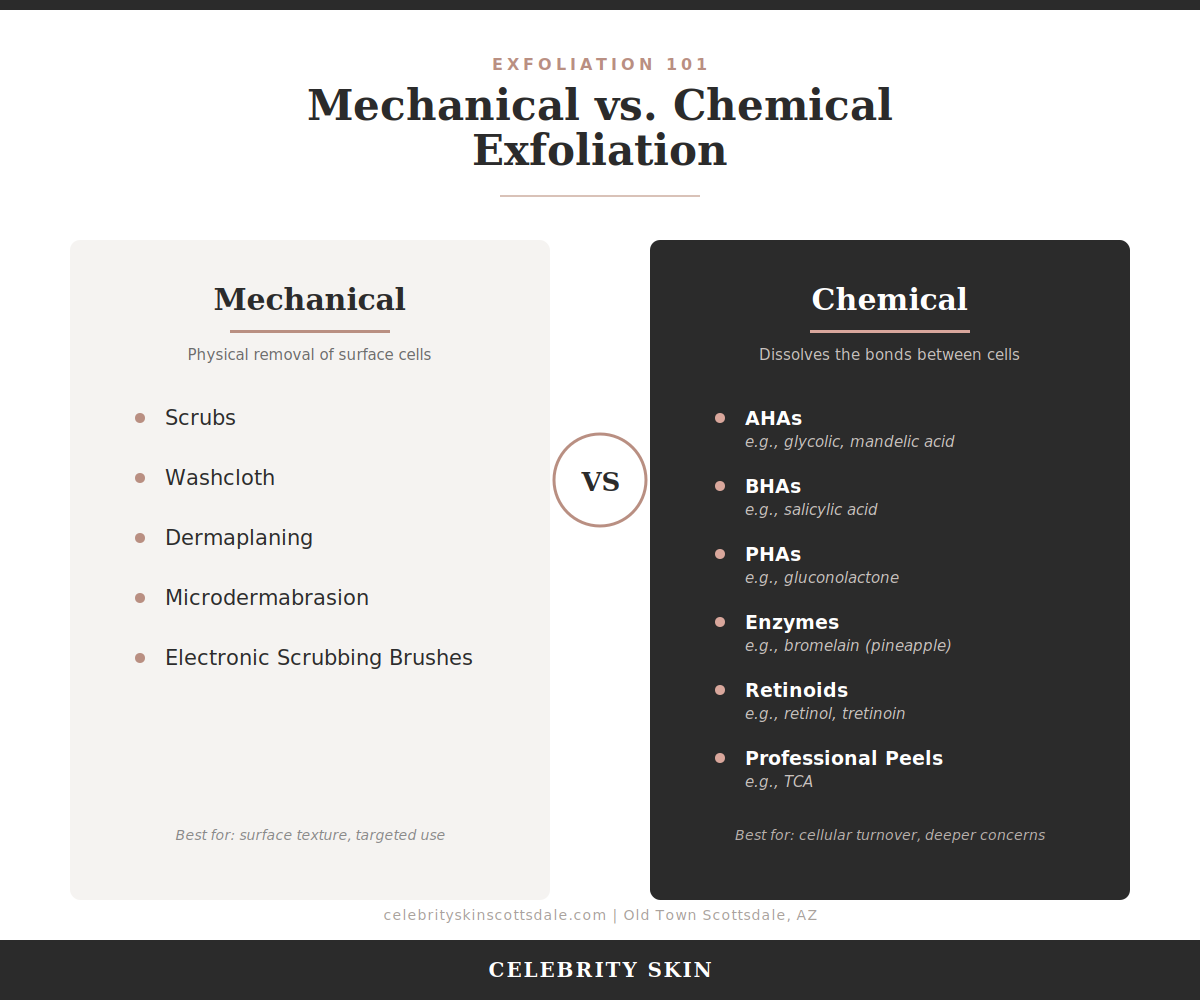
Mechanical Exfoliation
Mechanical (also called physical) exfoliation removes dead skin cells through gentle friction.
Examples include:
- Facial scrubs
- Washcloths and cleansing cloths
- Cleansing brushes
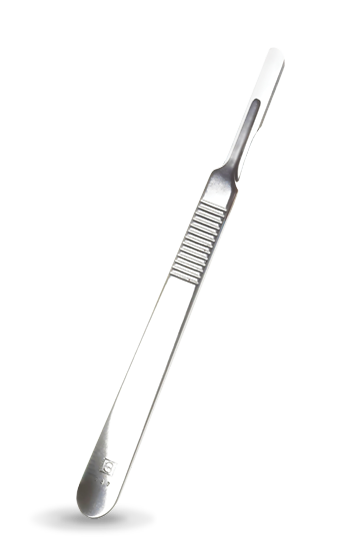
- Dermaplaning
- Microdermabrasion
These methods physically remove dead skin cells from the skin’s surface and can immediately improve skin texture and radiance.
Mechanical exfoliation may be beneficial for individuals with:
- Dull skin
- Rough texture
- Mild flaking
- Dry surface buildup
- Healthy skin needing routine maintenance
However, mechanical exfoliation is not appropriate for everyone.
For example:
- Aggressive facial scrubs may worsen inflamed acne.
- Active cystic acne should generally not be scrubbed.
- Individuals with rosacea or very sensitive skin may experience increased irritation from certain mechanical exfoliants.
- Dermaplaning is generally not recommended over active acne breakouts and may not be appropriate for many acne-prone individuals, since the blade can irritate inflamed skin and increase the risk of spreading bacteria across the treatment area.
The best mechanical exfoliation method depends on your skin’s condition—not simply your skin type.
Chemical Exfoliation
Chemical exfoliants work differently. Instead of physically removing dead skin cells, they use carefully selected ingredients to loosen the bonds that hold dead skin cells together, allowing them to shed more evenly.
Although different chemical exfoliants work in slightly different ways, they all share a similar goal—to remove excess dead skin cells and support healthier skin renewal. The real difference is choosing the ingredient that’s most appropriate for your skin.
The best exfoliant for you may change throughout your life depending on your age, skin type, the season, hormonal fluctuations, medications, medical conditions, and the skin concerns you’re treating.
Alpha Hydroxy Acids (AHAs)
Examples include glycolic acid, lactic acid, and mandelic acid.
AHAs are commonly used to improve:
- Dry skin
- Uneven pigmentation
- Fine lines
- Sun-damaged skin
- Rough texture
Mandelic acid has a larger molecular size than glycolic acid, allowing it to penetrate more slowly. Because of this, it is often better tolerated by many individuals with sensitive or acne-prone skin.
Beta Hydroxy Acids (BHAs)
The most common BHA is salicylic acid.
Because it is oil-soluble, salicylic acid can penetrate into pores, making it especially beneficial for oily and acne-prone skin.
Polyhydroxy Acids (PHAs)
Examples include:
- Gluconolactone
- Lactobionic acid
PHAs work similarly to AHAs but have larger molecules, making them gentler and often better tolerated by many people with sensitive skin while still providing mild exfoliation.
Enzyme Exfoliants
Enzyme exfoliants are typically derived from fruits such as papaya or pumpkin. They provide gentle exfoliation by breaking down proteins that help hold dead skin cells on the skin’s surface, making them a good option for many people with sensitive skin.
Retinoids
Retinoids are often grouped with exfoliants because they increase skin cell turnover and promote the shedding of older skin cells over time. Unlike AHAs or BHAs, however, retinoids do not directly dissolve the bonds between dead skin cells. Instead, they encourage your skin to produce new skin cells more efficiently, which is why they are commonly recommended for acne, fine lines, uneven skin tone, and sun damage.
A clinical review published in Clinical Interventions in Aging concluded that topical retinoids remain one of the most effective ingredients for increasing skin cell turnover and improving acne, fine lines, uneven pigmentation, and other signs of photoaging.
Professional Chemical Peels
Professional types of exfoliation include chemical peels. They are carefully selected acids at controlled strengths to address concerns such as acne, hyperpigmentation, sun damage, fine lines, and uneven texture. Different peels vary significantly in strength, depth, and recovery time, making proper treatment selection important.
A review published in the Journal of Clinical and Aesthetic Dermatology concluded that appropriately selected superficial chemical peels are effective for a variety of skin concerns while maintaining a favorable safety profile when performed correctly.
Which Exfoliation Method Is Best?
With so many types of exfoliation available, there isn’t one method that’s best for everyone.There isn’t one exfoliation method that’s best for everyone. The right choice depends on your skin type, concerns, age, medications, medical history, lifestyle, and even the time of year.
For example, someone with oily, acne-prone skin may benefit from salicylic acid, while someone with dry, sensitive skin may tolerate lactic acid or a polyhydroxy acid much better. Your skin’s needs may also change with hormonal fluctuations, seasonal weather, or as you age.
The goal isn’t to find the “strongest” exfoliator—it’s to find the one that’s most appropriate for your skin.
| Skin Concern | May Benefit From |
|---|---|
| Acne | Salicylic acid (BHA), selected professional chemical peels |
| Dry Skin | Lactic acid, enzyme exfoliation, gentle microdermabrasion (when appropriate) |
| Hyperpigmentation | AHAs, mandelic acid, retinoids, selected professional chemical peels |
| Sensitive Skin | PHAs, enzyme exfoliation, carefully selected professional treatments |
| Aging | Retinoids, AHAs, microdermabrasion, selected professional chemical peels |
| Dull Skin | Microdermabrasion, dermaplaning (when appropriate), enzyme exfoliation |
| Maintenance | Gentle home exfoliation combined with periodic professional treatments |
Remember: The best exfoliation method depends on your skin’s condition—not simply your skin type. What works well for one person may irritate another.
Can You Over-Exfoliate?
Yes.
One of the most common skincare mistakes is believing that if a little exfoliation is good, more must be better.
Unfortunately, that’s not how skin works.
Excessive exfoliation can damage your skin barrier—the protective outer layer responsible for keeping moisture in and irritants out. When the barrier becomes compromised, your skin may lose water more quickly, become more sensitive, and have greater difficulty protecting itself from environmental stressors.
Signs of over-exfoliation include:
- Redness
- Burning or stinging
- Increased sensitivity
- Dryness
- Peeling
- Tightness
- Breakouts
- Skin that suddenly reacts to products you’ve always tolerated
A review published in Skin Pharmacology and Physiology explains that disruption of the skin barrier increases transepidermal water loss (TEWL), contributing to dryness, irritation, and sensitivity while impairing the skin’s ability to function normally.
Can You Under-Exfoliate?
Yes.
Most conversations focus on over-exfoliation, but under-exfoliation can also prevent your skin from looking and functioning its best.
Many people become afraid of exfoliating after having a bad experience with the wrong product or by over-exfoliating. As a result, they stop exfoliating altogether.
Without regular exfoliation that’s appropriate for your skin, dead skin cells continue to accumulate on the surface. Over time, your skin may appear:
- Dull
- Rough
- Dry
- Congested
- Less radiant
Dead skin buildup can also make moisturizers, antioxidants, and other skincare products less effective because they must work through that layer of accumulated cells before reaching the skin’s surface.
Healthy, luminous skin isn’t about exfoliating as much as possible—it’s about exfoliating appropriately for your skin’s unique needs.
How Often Should You Exfoliate?
There isn’t a schedule that works for everyone.
The ideal frequency depends on several factors, including:
- Your skin type
- Your age
- The products you already use
- Whether you use retinoids
- Your skin concerns
- Your environment and climate
- Whether you receive professional treatments
Some people may tolerate exfoliation several times per week, while others may benefit from exfoliating only once every week or two. Certain professional treatments are performed less frequently because they are more intensive than at-home products.
If your skin becomes increasingly red, tight, flaky, or sensitive, it may be a sign that you’re exfoliating too often—or using the wrong exfoliation method for your skin.
Common Exfoliation Mistakes
Even good skincare products can cause problems when they’re used incorrectly.
Some of the most common mistakes include:
Scrubbing Harder
Exfoliation isn’t about applying more pressure. Scrubbing aggressively can create unnecessary irritation without improving your results.
Combining Too Many Exfoliating Products
Layering multiple exfoliating acids or using several exfoliating products in the same routine may increase irritation without improving results.
Using Retinoids Incorrectly
Retinoids can be highly effective, but introducing them too quickly or combining them with other exfoliating products without proper guidance may increase dryness and irritation.
Using the Wrong Moisturizer—or Too Much or Too Little
Many people assume they should apply a heavy moisturizer after every exfoliation because their skin feels temporarily dry. Others avoid moisturizer altogether.
The right moisturizer—and how much you need—depends on:
- Your skin type
- The type of exfoliation performed
- Your skin barrier
- Your environment
- The products already in your skincare routine
Temporary tightness doesn’t always mean your skin needs a heavier moisturizer, just as oily skin doesn’t always mean you should skip moisturizer completely.
Skipping Sun Protection
Freshly exfoliated skin may be more vulnerable to ultraviolet damage. Protecting your skin with sun-protective clothing, seeking shade when appropriate, and using a broad-spectrum sunscreen can help maintain your results while reducing further sun damage.
Following Social Media Trends
Skincare trends may not be appropriate for your skin.
The goal isn’t to copy someone else’s routine—it’s to choose products and treatments that are appropriate for your skin’s condition, concerns, and goals.
Exfoliating Too Often
More exfoliation does not necessarily produce better skin.
Consistency and choosing the appropriate exfoliation method are usually far more important than exfoliating as frequently as possible.
Frequently Asked Questions
Is dermaplaning considered exfoliation?
Yes. Dermaplaning is a form of mechanical exfoliation that removes dead skin cells from the surface of the skin while also removing fine vellus (“peach fuzz”) hair. It can leave the skin feeling smoother and help makeup apply more evenly. However, dermaplaning is generally not recommended over active acne breakouts and may not be appropriate for many acne-prone individuals.
Is retinol an exfoliant?
Retinol and other retinoids are often grouped with exfoliants because they increase skin cell turnover and encourage older skin cells to shed more efficiently. Unlike AHAs or BHAs, however, retinoids do not directly dissolve the bonds between dead skin cells. Instead, they stimulate your skin’s natural renewal process over time.
What’s better: chemical or mechanical exfoliation?
Neither is universally better.
Mechanical and chemical exfoliation simply work differently. The best choice depends on your skin type, concerns, sensitivity, medications, medical conditions, and treatment goals. Many people benefit from one approach more than the other, while others may benefit from incorporating both at different times as part of a personalized skincare routine.
Can I exfoliate if I have acne?
Often, yes—but the method matters.
Some exfoliants, such as salicylic acid, can be beneficial for acne-prone skin. However, aggressive facial scrubs and certain forms of mechanical exfoliation may worsen inflamed or cystic acne. Choosing the right type of exfoliation is often more important than exfoliating more frequently.
Can I exfoliate if I have rosacea?
Possibly.
Many people with rosacea can still benefit from exfoliation, but gentler methods are usually preferred. Because rosacea varies from person to person, treatment should be individualized to reduce the risk of irritation.
Can I exfoliate every day?
Not necessarily.
Some products are formulated for daily use, while others should only be used once or twice a week. The ideal schedule depends on your skin type, the products you’re using, your environment, and whether you’re receiving professional treatments.
What’s the difference between microdermabrasion and dermaplaning?
Both are forms of mechanical exfoliation, but they work differently.
Microdermabrasion uses a controlled mechanical device to exfoliate the skin’s surface and is commonly used to improve dullness, rough texture, and superficial discoloration.
Dermaplaning uses a sterile surgical blade to remove surface dead skin cells and fine facial hair, leaving the skin exceptionally smooth. While both treatments improve skin texture, they may be recommended for different skin types and concerns.
Conclusion
Healthy, glowing skin isn’t about finding the strongest exfoliator or following the latest skincare trend.
IIt’s about understanding the different types of exfoliation, choosing the method that’s appropriate for your skin, and using it consistently without overdoing it.
Whether you benefit most from a gentle enzyme exfoliant, a retinoid, salicylic acid, microdermabrasion, dermaplaning, or a professional chemical peel depends on your individual skin—not someone else’s routine on social media.
If you’re unsure which type of exfoliation is right for your skin, a professional skin evaluation can help identify the safest and most effective approach based on your skin type, concerns, goals, and overall skin health.
Healthy skin isn’t about removing as much as possible.
It’s about removing just enough to support your skin’s natural renewal process so healthier, brighter, smoother-looking skin can shine through.
Ready to Choose the Right Exfoliation for Your Skin?
Not every exfoliation method is appropriate for every skin type or concern. The right approach depends on your skin’s condition, sensitivity, lifestyle, medical history, medications, and long-term goals.
If you’re unsure which of the different types of exfoliation is right for your skin, schedule an in-person or virtual consultation.Together, we’ll evaluate your skin, discuss your concerns, review your current skincare routine, and create a customized plan designed specifically for your skin.
Whether you prefer an in-person consultation at Celebrity Skin Scottsdale or the convenience of a virtual consultation, you’ll receive professional guidance based on more than 25 years of clinical experience—not a one-size-fits-all approach.
Ready to get started?