
By Jennifer Swink | Celebrity Skin
How do I know which skin treatment is right for me? The right skin treatment depends on the underlying cause of your skin concern, your skin type, your overall skin health, and your treatment goals. A professional skin consultation evaluates factors such as acne, pigmentation, collagen loss, redness, skin sensitivity, lifestyle, and medical history to create a personalized treatment plan rather than recommending a one-size-fits-all procedure.
Many people have more than one skin concern. For example, someone with adult acne may also have acne scars, post-inflammatory hyperpigmentation, enlarged pores, and early fine lines. Someone concerned about aging may also struggle with redness, uneven skin tone, or sun damage. That’s why choosing the right skin treatment isn’t about finding the “best” procedure—it’s about creating the right treatment plan for your unique skin. In many cases, a single treatment may improve several concerns at once, while other situations are best addressed by combining treatments as part of a personalized approach.
Whether you’re concerned about acne, acne scars, melasma, hyperpigmentation, fine lines, wrinkles, redness, dull skin, or simply maintaining healthy skin, understanding why your skin is changing is the first step toward choosing the most appropriate treatment.
If you’re still wondering how do I know which skin treatment is right for me, you’re not alone. It’s one of the most common questions professionals hear during an initial consultation.
Table of Contents
Most People Don’t Need More Treatments—They Need a Plan. Which Treatment is Right For me?
With so many professional skin treatments available today, it’s easy to feel overwhelmed. Should you choose microneedling or a chemical peel? Would LED Light Therapy help? Is Clear + Brilliant the right choice? Are exosomes worth the additional cost? Is one facial enough?
These are some of the most common questions people ask before scheduling their first appointment.
The truth is that the “best” treatment isn’t determined by what’s newest or most popular—it’s determined by what’s causing your skin concern in the first place.
Two people with similar-looking skin may need completely different treatment plans because the underlying biology is different. Someone with acne may need treatments that reduce inflammation and congestion, while another person with dark spots may need therapies that focus on pigment production and sun protection. Likewise, someone concerned about fine lines may benefit from collagen stimulation, while another person’s primary issue may simply be dehydration or a weakened skin barrier.
Professional skin care is most successful when the diagnosis comes first and the treatment comes second.
This guide explains how skin professionals evaluate your skin, why treatments are chosen, and how personalized treatment plans often combine several approaches to help improve your skin safely and effectively.
How Skin Professionals Choose the Right Treatment
Choosing the right treatment involves much more than looking at your skin for a few minutes.
A comprehensive skin evaluation considers many factors, including:
- Your primary skin concerns
- Your medical history and current medications
- Your age
- Your Fitzpatrick skin type
- Your natural skin color and pigmentation risk
- Whether your condition is active or healed
- Your daily skincare routine
- Your lifestyle and sun exposure
- Your nutrition and overall health
- Previous treatments you’ve had
- Recovery time you’re comfortable with
- Your budget
- Your long-term goals
Each of these factors helps determine which treatments are most appropriate and which ones should be avoided.
For example, someone with darker skin tones may require a different approach than someone with very fair skin because certain treatments carry a higher risk of post-inflammatory hyperpigmentation. Likewise, treating active acne is different from treating acne scars, and someone preparing for a wedding may need a different treatment timeline than someone simply interested in long-term skin maintenance.
It is also important to understand that there often isn’t one “best” treatment.
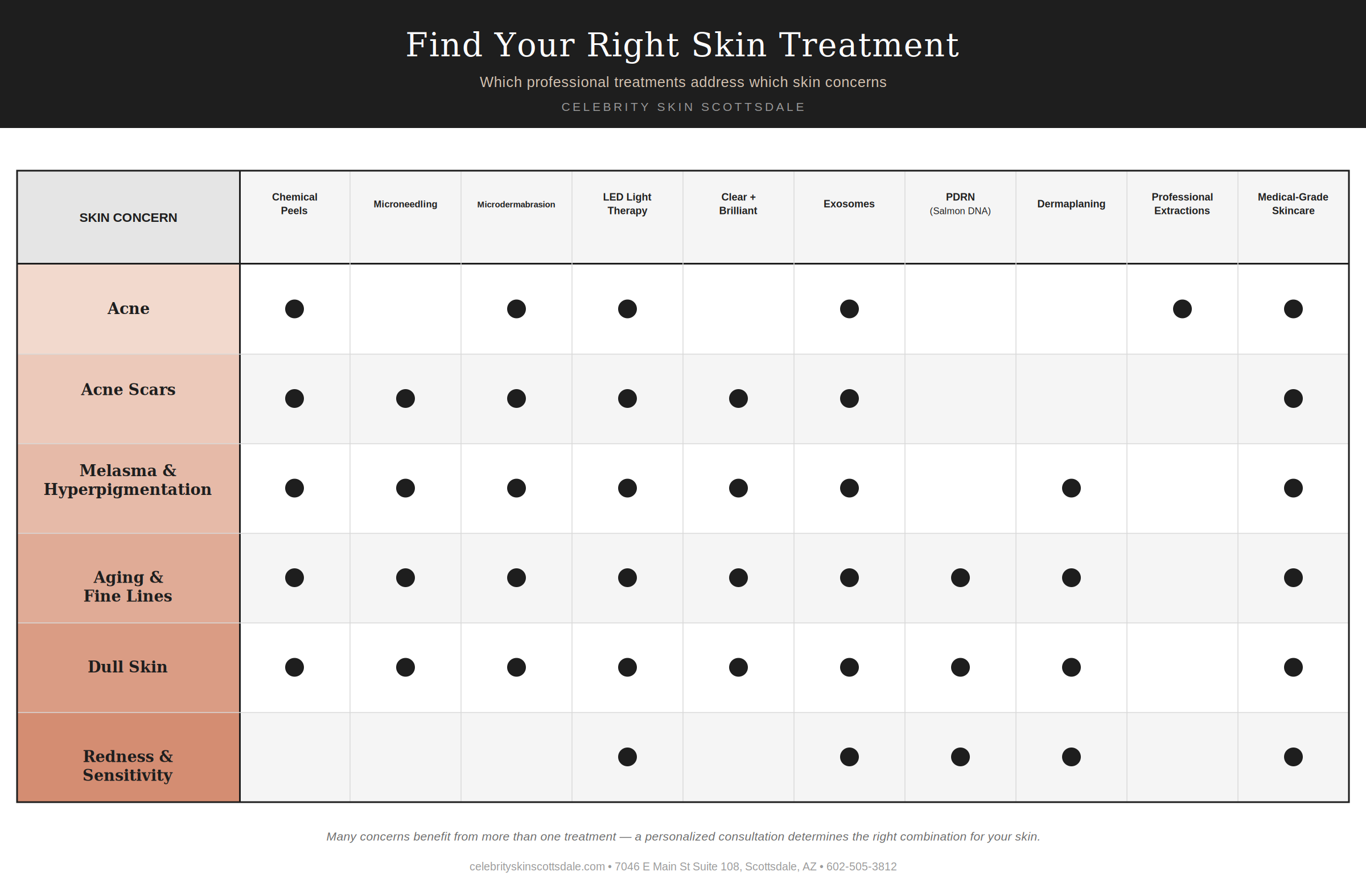
Instead, the most effective approach is usually a personalized treatment plan that combines professional treatments, medical-grade skincare, healthy nutrition, and healthy lifestyle habits.
Treatment stacking may involve combining several therapies within the same appointment—such as adding a light chemical peel and medical-grade LED Light Therapy to a microneedling treatment or combining steam, enzymes, extractions, microdermabrasion, a light chemical peel, and LED Light Therapy during an Acne Deep Pore Cleansing Facial. It can also involve strategically sequencing different treatments over weeks or months as your skin changes and your goals evolve.
The purpose is to address multiple biological processes at the same time rather than expecting one procedure to solve every concern.
Your treatment plan isn’t necessarily permanent. As acne improves, the focus may shift toward acne scar remodeling. Once pigmentation is under control, treatment may transition toward prevention and maintenance. As collagen naturally declines with age, collagen-stimulating procedures and healthy aging strategies may become a greater priority.
The goal isn’t simply treating today’s concern—it’s helping your skin remain healthy for years to come.
If You Have Acne
Acne is one of the most common reasons people seek professional skin care, but it is also one of the most misunderstood. Deciding which skin treatment is right for me can be hard to figure out on your own.
Acne isn’t simply caused by dirty skin or clogged pores. It develops through several biological processes occurring simultaneously, including excess oil production, abnormal shedding of skin cells, inflammation, bacterial overgrowth, and, for many people, hormonal influences. In a study in The National Library of Medicine found current and persistent local inflammatory responses contribute to its chronic and relapsing nature of acne.
Successful acne treatment often requires combining multiple therapies because no single treatment addresses every factor contributing to acne. This is why dermatologists frequently recommend a combination of topical medications, professional procedures, and lifestyle modifications rather than relying on a single treatment alone.
Depending on your skin, options for which skin treatment is right for me may include:
- Acne Deep Pore Cleansing Facial
- Customized Chemical Peels
- Medical-Grade LED Light Therapy
- Professional Extractions
- Medical-Grade Skincare
- Professional Home Care Recommendations
Many acne treatments are intentionally designed to combine several therapies within the same appointment. For example, an Acne Deep Pore Cleansing Facial may include steam to soften congestion, enzymes to loosen dead skin cells, professional extractions to clear blocked pores, microdermabrasion to improve exfoliation, a light chemical peel to reduce acne-causing bacteria and post-inflammatory pigmentation, and medical-grade LED Light Therapy to calm inflammation and support healing.
Each component targets acne differently, creating overlapping benefits that often produce more comprehensive results than relying on any single therapy alone.
Looking Beyond the Skin
Professional treatments are only one part of acne management.
Nutrition, sleep quality, stress, hormone balance, exercise, and consistent home skincare can all influence how acne develops and how well your skin responds to treatment.
Research continues to suggest that dietary patterns may influence acne severity in some individuals. A systematic review published in National LIbrary of Medicine found evidence that high-glycemic diets and certain dietary patterns may contribute to acne in susceptible people, while healthier eating patterns may help reduce inflammation. Read more about the Best Foods, Vitamins, And Minerals For Acne Reduction.
For many clients, the best long-term results come from combining professional treatments with healthy lifestyle habits, personalized skincare, and addressing contributing internal factors whenever possible. The best place to start is a Comprehensive Acne Consultation that can customize your treatment plan.
If You Have Acne Scars
Once acne has healed, many people are left with lingering reminders in the form of acne scars. These scars develop when inflammation damages the skin’s collagen during the healing process. Depending on the severity and depth of the inflammation, the body may produce too little collagen, resulting in depressed scars, or too much collagen, resulting in raised scars.
Not all acne scars are the same. Rolling scars, boxcar scars, and ice-pick scars each affect the skin differently and often respond best to different treatment approaches. Identifying the type of scar is an important first step in choosing the most appropriate treatment. To learn more about acne scarring read here
Most professional acne scar treatments work by stimulating your body’s natural collagen remodeling process. Rather than simply covering scars, these treatments encourage your skin to gradually build new collagen over time. Because collagen remodeling occurs slowly, improvements often continue for several months after treatment.
Depending on your skin and the type of scarring present, treatment options may include:
- Professional Microneedling
- Microneedling with Exosomes
- Medium-Depth Chemical Peels
- Clear + Brilliant (Fraxel Technology)
- Deep Laser Resurfacing
These treatments may also improve skin texture, enlarged pores, fine lines, and certain types of hyperpigmentation, making them valuable options for individuals with more than one skin concern.
If You Have Melasma or Hyperpigmentation
One of the biggest mistakes people make is assuming that every dark spot should be treated the same way.
In reality, melasma and post-inflammatory hyperpigmentation are different conditions with different underlying causes, even though they can appear similar. which type of hyperpigmentation will indicate which skin treatment is right for me.
Melasma is influenced by genetics, hormones, ultraviolet exposure, visible light, heat, and inflammation, while post-inflammatory hyperpigmentation develops after an injury or inflammatory condition such as acne, eczema, or even an aggressive skincare treatment.
Because the biology is different, the treatment approach is often different as well.
Professional treatment may include carefully selected chemical peels, pigment-suppressing skincare, collagen-stimulating procedures in appropriate candidates, and consistent sun protection. For individuals with darker skin tones, treatment plans must be customized to improve pigmentation while minimizing the risk of creating additional discoloration.
Many people with hyperpigmentation also have concerns about acne scars, uneven texture, or early signs of aging. Fortunately, some treatments—such as customized chemical peels, selected microneedling procedures and Clear & Brilliant Laser—may improve more than one concern at the same time when performed on the appropriate candidate.
To learn more about Melasma vs. Post-Inflammatory Hyperpigmentation here.
If You Want Healthier, Firmer Skin or Fewer Fine Lines and Wrinkles
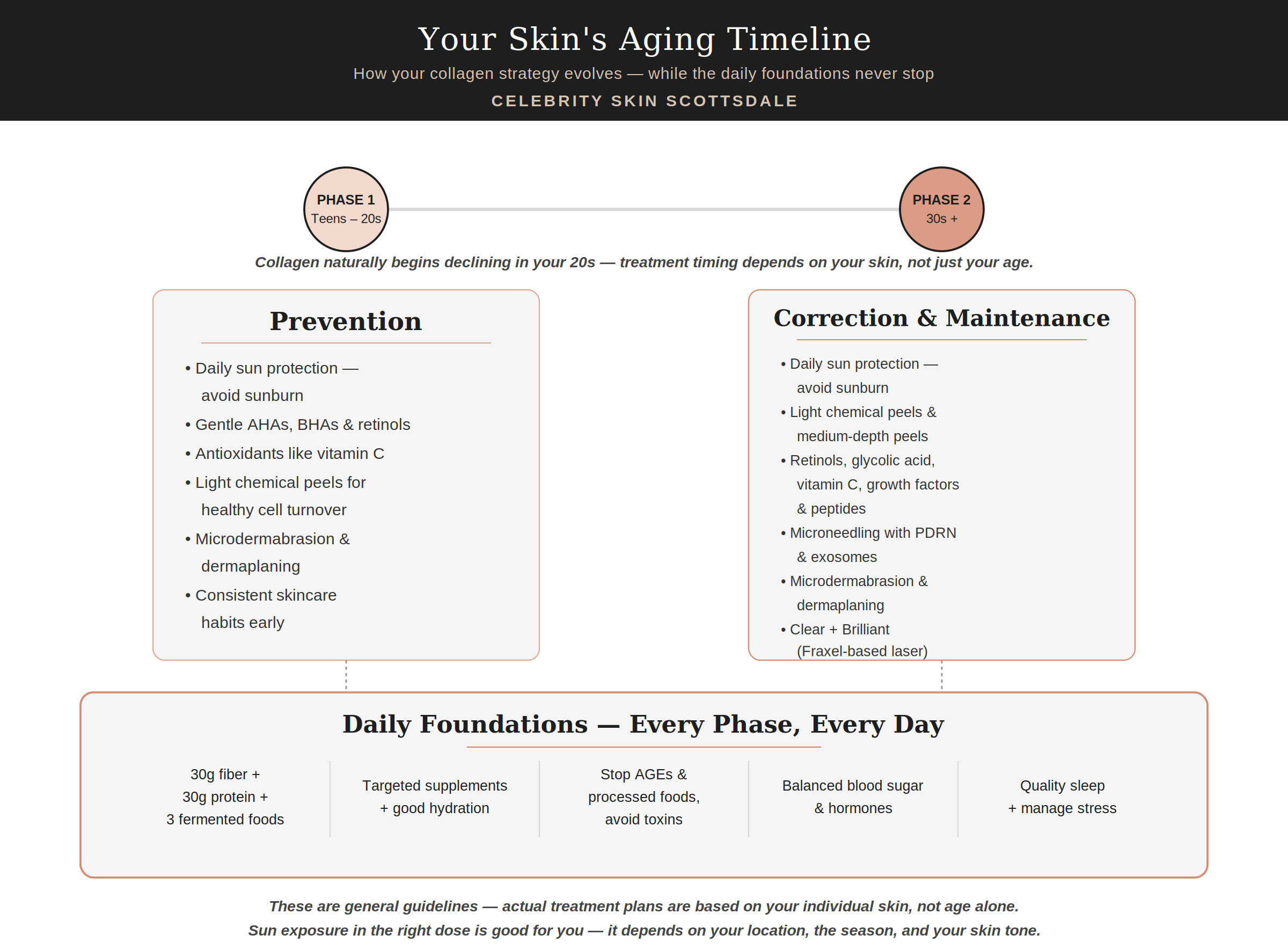
Healthy, youthful-looking skin depends largely on collagen, elastin, and a strong skin barrier. Beginning as early as our twenties, collagen production naturally slows, existing collagen gradually breaks down, and skin cell turnover becomes less efficient. Over time, this contributes to fine lines, wrinkles, thinner skin, uneven texture, enlarged pores, and loss of firmness.
Normal aging is only part of the story. Excessive ultraviolet exposure, smoking, poor nutrition, chronic stress, inadequate sleep, and certain medical conditions can all accelerate collagen loss and skin aging.
Research published in Nutrients has shown that healthy skin aging depends on many interacting factors, including adequate protein intake, vitamin C, healthy fats, antioxidants, regular exercise, quality sleep, and protection from excessive ultraviolet exposure. These factors work together to support collagen production, reduce oxidative stress, and help maintain healthier skin as we age.
Professional treatments that may help improve skin firmness, texture, and early signs of aging include:
- Professional Microneedling
- Microneedling with Exosomes
- Microneedling with PDRN (Salmon DNA)
- Clear + Brilliant
- Light Chemical Peels
- Medium-Depth Chemical Peels
Medical-grade skincare also plays an important role. Daily sunscreen, antioxidants such as vitamin C, retinoids, peptides, growth factors, and moisturizers help support collagen, protect against environmental damage, improve skin texture, and maintain results between professional treatments.
Lifestyle choices matter just as much.
Eating adequate protein throughout the day provides the amino acids your body needs to build collagen and repair tissue. Colorful fruits and vegetables provide antioxidants that help protect collagen from oxidative damage, while healthy fats help maintain a healthy skin barrier. Regular exercise improves circulation, sleep supports overnight skin repair, and stress management helps reduce chronic inflammation that may accelerate skin aging.
When these habits are combined with professional treatments and personalized skincare, they create a comprehensive approach to healthier skin.
If you want to learn more about How Does Your Skin Build Collagen read here:
If Your Skin Looks Dull
Dull skin is often one of the easiest concerns to improve because it is frequently caused by the buildup of dead skin cells, slower skin cell turnover, dehydration, environmental damage, or inconsistent skincare.
One of the primary goals of treatment is controlled exfoliation. By removing excess dead skin cells from the surface of the skin, exfoliation helps reveal healthier skin underneath, improves product penetration, smooths texture, and creates a brighter, more radiant appearance.
Depending on your skin, professional exfoliation may include:
- Dermaplaning
- Microdermabrasion
- Enzyme Treatments
- Light Chemical Peels
- Medium-Depth Chemical Peels
- FDA Approved LED Light Therapy
The right treatment depends on your skin sensitivity, skin type, and whether additional concerns—such as acne, pigmentation, or aging—are also present.
Because dull skin often occurs alongside other concerns, professional exfoliation is frequently combined with other therapies to create a more comprehensive treatment plan.
If You Have Redness or Sensitive Skin
Redness is not a diagnosis—it is a sign that something may be irritating or inflaming the skin.
For some people, redness develops because of a weakened skin barrier. Others may have rosacea, environmental sensitivity, over-exfoliation, irritation from harsh skincare products, or chronic inflammation.
The goal is not simply to reduce redness temporarily but to identify and address the underlying cause whenever possible.
Professional treatment may include:
- FDA-cleared LED Light Therapy
- Barrier-repair treatments
- Gentle customized facials
- Medical-grade skincare formulated for sensitive skin
- Carefully selected exfoliation when appropriate
Lifestyle habits may also influence skin redness.
For some individuals, heat exposure, alcohol, spicy foods, stress, poor sleep, smoking, excessive ultraviolet exposure, or certain skincare ingredients may trigger flare-ups. Identifying and reducing these triggers, while strengthening the skin barrier through proper skincare and nutrition, often produces better long-term improvement than relying on professional treatments alone.
If You Simply Want Healthy Skin Maintenance
Many people assume professional skin treatments are only necessary when they have acne, wrinkles, or another visible concern.
In reality, maintaining healthy skin is often easier—and less expensive—than trying to reverse years of accumulated damage.
Think of professional skincare the same way you think about dental care. Most people don’t wait until they need a root canal before visiting the dentist. Regular cleanings help maintain healthy teeth and identify small problems before they become larger ones.
Healthy skin works the same way.
Routine professional treatments help support normal skin cell turnover, encourage collagen production, improve circulation, maintain the skin barrier, and keep your skin functioning at its best.
In a perfect world, many people would benefit from some type of professional facial treatment every four to six weeks, combined with a personalized home skincare routine, healthy nutrition, regular physical activity, quality sleep, stress management, and consistent sun protection.
The exact schedule should always be individualized based on your skin concerns, goals, lifestyle, and budget.
Maintenance doesn’t have to be aggressive. Sometimes a customized facial, gentle exfoliation, dermaplaning, microdermabrasion, LED Light Therapy, or a light chemical peel is all that’s needed to help keep your skin healthy between more advanced treatments.
Why Combination Treatments Often Produce Better Results
One of the biggest misconceptions in skincare is that one treatment should solve every problem.
Healthy skin is far more complex than that.
Think about remodeling a home.
An electrician, plumber, carpenter, painter, and roofer all perform different jobs. No single contractor builds an entire home alone, but together they create a finished project.
Professional skincare works much the same way.
Different treatments affect different biological processes within the skin. Some stimulate collagen production. Others improve skin cell turnover. Some reduce inflammation or target acne-causing bacteria. Others brighten pigmentation, strengthen the skin barrier, improve hydration, or help repair sun damage.
Because every treatment has different strengths, combining appropriate therapies often produces better overall results than relying on a single procedure.
Stacking Treatments Within the Same Appointment
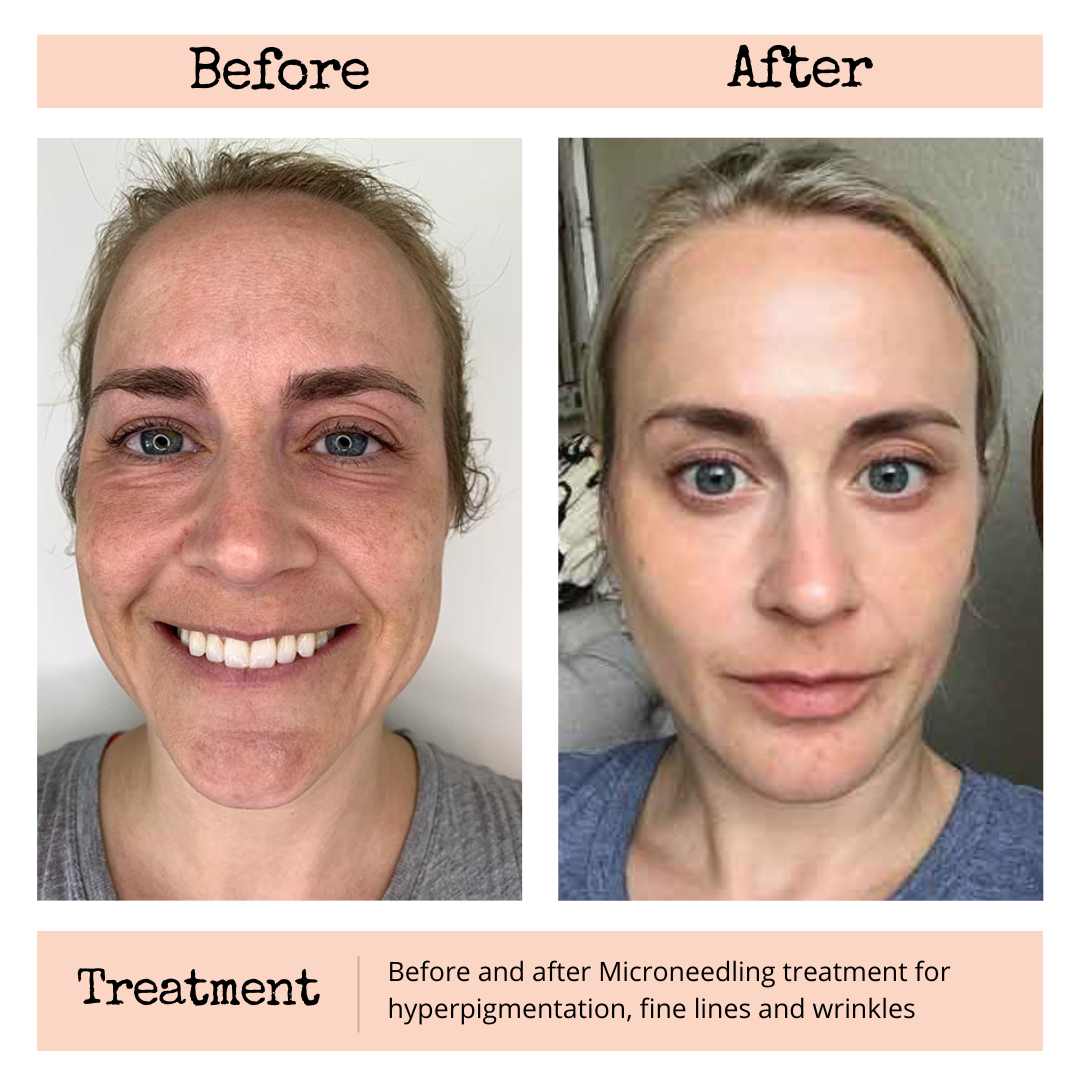
Many professional treatments are intentionally designed to combine several therapies into one appointment because each component contributes something different.
For example, an Acne Deep Pore Cleansing Facial may include steam to soften congestion, enzymes to loosen dead skin cells, professional extractions to remove blocked pores, microdermabrasion to improve exfoliation, a light chemical peel to reduce acne and post-inflammatory hyperpigmentation, and FDA-cleared LED Light Therapy to calm inflammation and support healing.
Each component addresses acne differently. Together, they create overlapping benefits that help improve multiple aspects of acne at the same time.
The same philosophy applies to Professional Microneedling. Depending on your skin’s needs, treatment may be combined with a light chemical peel to enhance exfoliation and skin renewal, FDA-cleared LED Light Therapy to reduce inflammation and support healing, or regenerative technologies such as PDRN (Salmon DNA) or exosomes to support your skin’s natural repair processes.
Rather than viewing these additions as “extras,” they are selected because they address different biological pathways involved in skin repair, allowing the treatment to become more comprehensive and individualized.
Stacking Treatments Over Time
Treatment stacking also occurs over weeks, months, and sometimes years.
Most people don’t have just one skin concern.
Someone with adult acne may also have post-inflammatory hyperpigmentation, enlarged pores, uneven skin texture, and early fine lines. Another person may be concerned about melasma, sun damage, and collagen loss.
Fortunately, many professional treatments improve more than one concern at the same time.
For example, a customized Acne Deep Pore Cleansing Facial or a Medium-Depth Chemical Peel may help improve active acne, reduce post-inflammatory hyperpigmentation, smooth skin texture, stimulate healthier skin renewal, and soften the appearance of early fine lines during the same treatment plan.
As your skin changes, your treatment plan should change too.
Once acne is under control, future treatments may focus more on acne scars. Once pigmentation has improved, treatments may shift toward collagen stimulation, prevention, or healthy aging.
The goal is never simply performing procedures.
The goal is creating a personalized treatment strategy that evolves with your skin and helps you maintain healthier, stronger, and more resilient skin throughout every stage of life.
By now, you should have a better understanding of how to know which skin treatment is right for you and why a personalized approach usually produces the best results.
Conclusion
Choosing the right skin treatment isn’t about finding the newest technology, the strongest chemical peel, or the most expensive procedure. It’s about understanding your skin, identifying the biological processes contributing to your concerns, and selecting treatments that work together to support healthier skin over time.
Professional treatments are only one piece of the puzzle. Medical-grade skincare, healthy nutrition, adequate protein, regular exercise, quality sleep, stress management, and consistent sun protection all influence how your skin repairs, ages, and responds to treatment.
There is rarely one perfect treatment. Determining which skin treatment is right for me can be hard to do without professional help.
If you’re unsure where to begin, a comprehensive skin consultation can help identify your primary concerns, explain your treatment options, and develop a personalized plan based on your skin, your goals, and your lifestyle. Whether you choose an in-person or virtual consultation, the goal isn’t simply to recommend a procedure—it’s to help you understand your skin and make informed decisions that support healthy, beautiful skin for years to come.
Ready to take the next step?
Schedule a Skin Consultation or Comprehensive Acne Consultation to receive a personalized treatment plan designed specifically for your skin, your concerns, and your long-term goals.
Frequently Asked Questions
How do I know which skin treatment is right for me if I have more than one concern??
The best treatment depends on the underlying cause of your skin concern, your skin type, your medical history, your goals, and your lifestyle. A professional consultation helps identify these factors before recommending treatment.
Can one skin treatment fix all of my skin concerns?
Usually not. Many people benefit from treatment stacking, which combines professional procedures, medical-grade skincare, healthy nutrition, and lifestyle habits to address multiple aspects of skin health.
Is microneedling better than a chemical peel?
Neither treatment is universally better. Microneedling primarily stimulates collagen remodeling, while chemical peels focus on controlled exfoliation and skin renewal. Depending on your skin, they may even be used together as part of a personalized treatment plan.
How often should I have professional skin treatments?
Although every treatment plan is different, many people benefit from some type of professional facial treatment every four to six weeks to help maintain healthy skin and address concerns before they become more noticeable.
Are medical-grade skincare products really necessary?
Medical-grade skincare is often considered a treatment in its own right because it supports your skin every day between professional appointments. Consistent home care helps maintain professional treatment results and addresses many of the biological processes involved in healthy skin.
Can one treatment improve multiple skin concerns?
Yes. Many professional treatments are designed to improve more than one concern at the same time. For example, certain chemical peels, microneedling treatments, and customized facials may help improve acne, post-inflammatory hyperpigmentation, uneven skin texture, and early signs of aging simultaneously, depending on your individual skin and treatment plan.