
By Jennifer Swink | Celebrity Skin
Body acne is a common skin condition that affects the back, chest, shoulders, arms, buttocks, and other areas of the body. While acne is often associated with the face, body acne can be equally frustrating and may lead to scarring, dark marks, and decreased confidence if left untreated. Summer heat, humidity, sweat, friction from clothing, sunscreen buildup, and increased outdoor activity can all contribute to body breakouts.
Understanding the causes of body acne is the first step toward finding an effective treatment plan. In many cases, successful treatment requires more than simply using acne products. Professional treatments, healthy lifestyle habits, and addressing underlying contributors such as inflammation, hormones, diet, and skincare habits often provide the best results.
Table of Contents
What Causes Body Acne?
Body acne develops when pores become clogged with excess oil, dead skin cells, bacteria, and inflammatory debris.
Several factors can contribute to body breakouts.
Excess Oil Production
The back, chest, and shoulders contain large oil glands that can produce excess sebum. When oil combines with dead skin cells, pores can become clogged and acne lesions may develop.
Dead Skin Cell Buildup
When dead skin cells do not shed properly, they can accumulate within pores and contribute to congestion and inflammation.Hormonal Fluctuations and Hormone Imbalances
Hormonal Fluctuations and Hormone Imbalances
Hormones play a significant role in oil production, inflammation, and acne development. Both normal hormonal fluctuations and underlying hormone imbalances can contribute to body acne flare-ups.
Common triggers include:
Thyroid imbalances
Puberty
Menstrual cycles
Perimenopause
Menopause
Chronic stress
Hormone Replacement Therapy (HRT)
Polycystic Ovary Syndrome (PCOS)
Elevated androgen levels
Insulin resistance
Diet and Inflammation

Research suggests that high-glycemic diets and excessive sugar intake may worsen acne in susceptible individuals by increasing insulin levels and inflammatory pathways.
Related Reading: How Sugar Affects Your Skin
Gut Health and Acne
Emerging research continues to support the connection between gut health, inflammation, and skin health. An unhealthy gut microbiome may contribute to inflammatory processes that influence acne development.
Related Reading: The Acne-Gut Connection: What Your Digestive System May Be Telling You
Body Acne Is More Common Than Many People Realize
Research suggests that approximately 30% to 60% of individuals with facial acne also experience acne on the body, a condition known as truncal acne.
Body acne is frequently underdiagnosed and undertreated despite its potential to cause acne scars and post-inflammatory hyperpigmentation.
Research: Truncal Acne: An Overview
Research: Prevalence and Demographics of Truncal Acne
Why Summer Makes Body Acne Worse
Many people notice worsening body acne during the warmer months.
Sweat and Heat

Sweat itself does not cause acne. However, when sweat combines with oil, bacteria, sunscreen, and dead skin cells, it can contribute to congestion and inflammation.
This is especially common after:
- Exercise
- Hiking
- Outdoor sports
- Working outdoors
- Spending extended time in the heat
Humidity
Humid conditions increase perspiration and may create an environment that contributes to body breakouts.
Friction and Acne Mechanica
Friction is one of the most overlooked causes of body acne.
Repeated rubbing from clothing or athletic equipment can irritate hair follicles and contribute to inflammation. This condition is commonly referred to as acne mechanica.
Common triggers include:
- Sports bras
- Tight workout clothing
- Compression garments
- Backpacks
- Athletic equipment
- Tight swimwear
Sunscreen and Product Buildup
While sunscreen is essential for protecting the skin, some products may contribute to congestion in acne-prone individuals.
Choosing non-comedogenic sunscreen formulations may help reduce clogged pores.
Related Reading: How Climate Affects Your Skin
Common Body Acne Triggers
Even when using acne products, certain habits and products may continue to trigger breakouts.
Heavy Moisturizers and Body Oils
Some body products may contribute to clogged pores and congestion in acne-prone individuals.
Potential triggers include:
- Thick body butters
- Heavy moisturizers
- Occlusive creams
- Shimmering body oils
- Oil-based body products
Dermatologists have long recognized a condition known as acne cosmetica, where repeated exposure to certain cosmetic products may contribute to acne lesions in susceptible individuals.
Research: Acne Cosmetica
Spray Tans and Self-Tanners
Many individuals report experiencing increased body breakouts or follicular bumps following spray tans or self-tanning products.
While research specifically linking spray tans to acne is limited, ingredients, fragrances, product residue, inadequate exfoliation before application, or increased sweating while the product develops may contribute to congestion in acne-prone individuals.
Fragranced Body Products
Perfumes, body sprays, scented lotions, and fragranced body washes may irritate sensitive skin and contribute to inflammation.
Shaving, Waxing, and Hair Removal
Shaving, waxing, plucking, and other hair removal methods can sometimes contribute to irritation, ingrown hairs, folliculitis, and acne-like bumps.
Individuals with thicker or denser body hair may also be more prone to trapped sweat, follicular irritation, and ingrown hairs that can resemble acne.
Over-Exfoliating the Skin
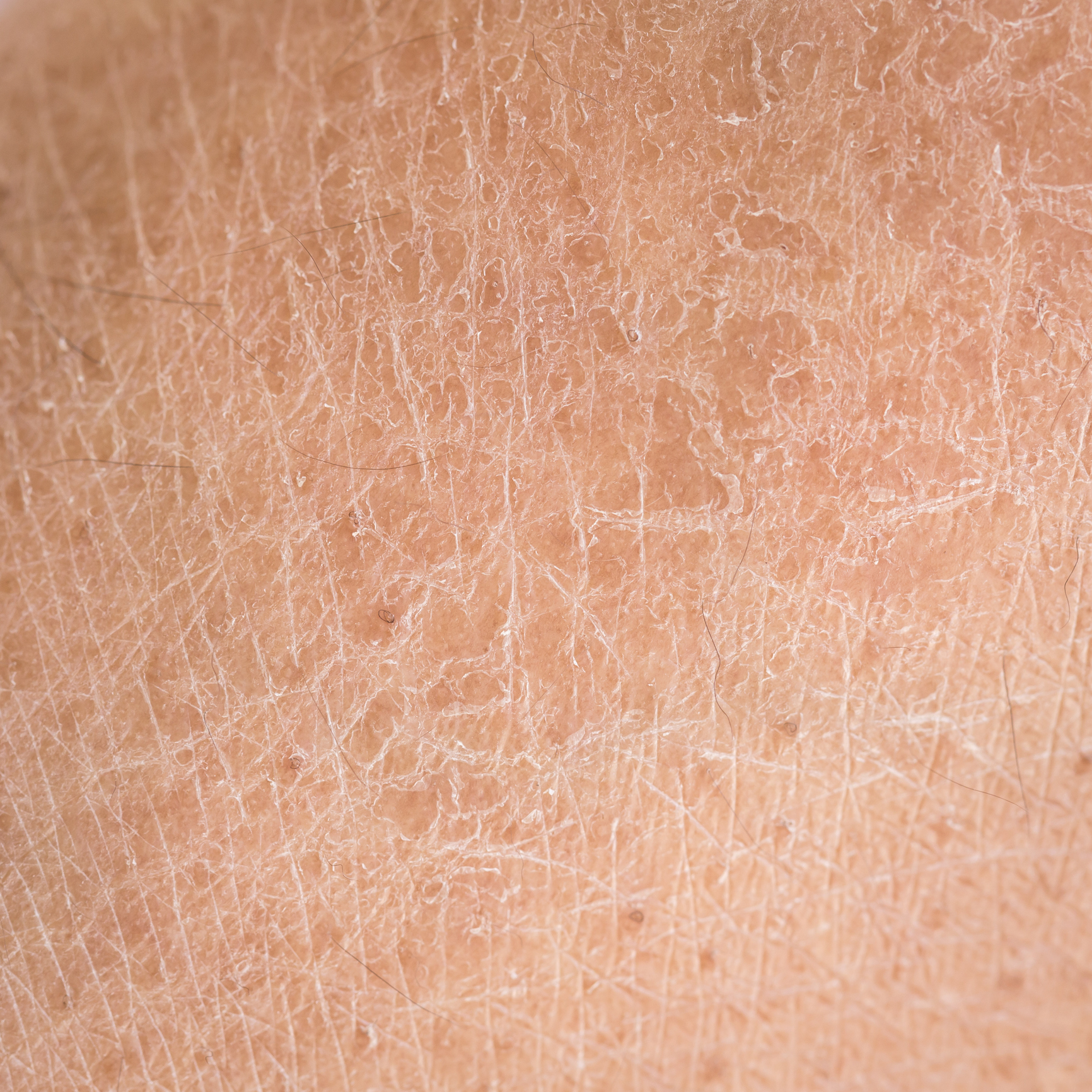
One of the most common mistakes people make when trying to clear body acne is assuming that more products will produce better results. In reality, using multiple acne products, harsh scrubs, salicylic acid body washes, benzoyl peroxide cleansers, exfoliating gloves, and other active ingredients simultaneously may irritate the skin, damage the skin barrier, and increase inflammation.
When the skin becomes excessively dry, tight, or uncomfortable, many people begin applying heavier moisturizers, body butters, or body oils to compensate. Unfortunately, this may contribute to additional congestion and breakouts in acne-prone individuals.
This often creates a frustrating cycle of over-treating the skin, becoming irritated, adding more products, and seeing little improvement.
A simple, consistent skincare routine is often more effective than layering multiple products. Professional guidance can help eliminate much of the trial-and-error process and identify the treatments and products most appropriate for your skin.
Professional Body Acne Treatments
Successful body acne treatment often requires more than over-the-counter products. Many people spend months or even years purchasing body washes, scrubs, acne products, supplements, and social media recommendations that promise clear skin but fail to address the underlying causes of their breakouts.
In some cases, the trial-and-error approach can actually make body acne worse. Using too many active ingredients, over-exfoliating the skin, layering multiple acne products, or following conflicting advice from social media can increase irritation, inflammation, and skin barrier damage.
Professional guidance can help identify the factors contributing to your body acne and create a personalized treatment plan based on your skin type, acne severity, lifestyle, and goals. Rather than spending money on products that may not be appropriate for your skin, a professional evaluation can help simplify your routine, reduce unnecessary purchases, and focus on treatments and products that are more likely to produce results.
Professional treatment may also help improve acne more quickly by combining targeted treatments, proper home care recommendations, and lifestyle modifications that address both the symptoms and underlying contributors to acne.
For many individuals, professional guidance ultimately saves time, money, frustration, and unnecessary experimentation while helping reduce the risk of acne scarring and post-inflammatory hyperpigmentation.
Not Every Body Bump is Acne
While acne is one of the most common causes of bumps on the body, it is not the only possibility. Conditions such as folliculitis, keratosis pilaris (KP), ingrown hairs, and irritation from shaving or waxing can sometimes resemble acne and may require different treatment approaches.
Because treatment recommendations vary depending on the underlying cause, a professional evaluation can help determine whether you’re dealing with acne, folliculitis, keratosis pilaris, or a combination of conditions.
Back Facials and Body Acne Treatments
Professional body acne treatments help deeply cleanse congested skin and remove buildup that contributes to breakouts.
Depending on your skin’s needs, treatment may include:
- Deep cleansing
- Steam
- Professional extractions
- Enzyme therapy
- Customized exfoliation
- Microdermabrasion
- Chemical peel
- Anti-inflammatory treatments
- Medical-grade LED Light Therapy
These treatments can be particularly beneficial for acne affecting the back, shoulders, chest, and other difficult-to-treat areas.
Microdermabrasion for Body Acne
Microdermabrasion helps remove excess dead skin cell buildup that can contribute to clogged pores and congestion.
Benefits may include:
- Smoother skin texture
- Reduced congestion
- Enhanced skin renewal
- Improved product penetration
Find out more about microdermabrasion here: Microdermabrasion
Chemical Peels for Body Acne
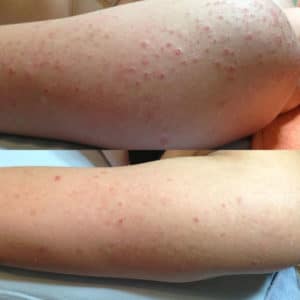
Chemical peels help accelerate skin cell turnover and exfoliation.
Benefits may include:
- Reduction in acne breakouts
- Improved congestion
- Improved skin texture
- Improvement in post-inflammatory hyperpigmentation
- Improvement in mild acne scarring
Find out more about chemical peels here: chemical peels
Professional Extractions
Professional extractions can safely remove stubborn congestion and clogged pores while minimizing unnecessary trauma to the skin.
Medical-Grade LED Light Therapy
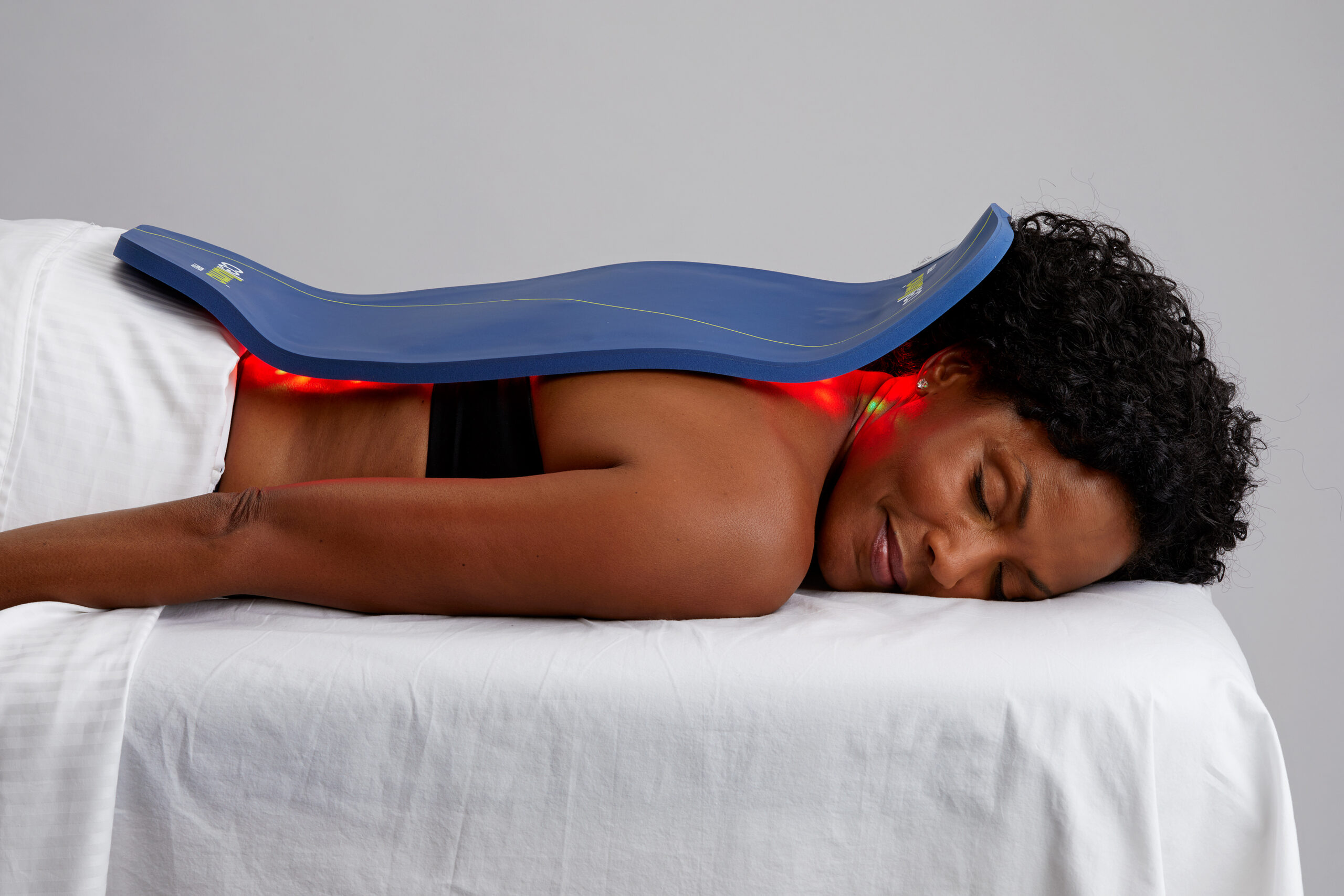
Medical-grade LED Light Therapy may help:
- Reduce acne-causing bacteria
- Calm inflammation
- Support healing
- Reduce redness
- Improve recovery following treatment
- Help improve acne scarring
Learn More: Medical Grade Light Therapy
Body Acne Treatment Beyond Skincare Products
Successful body acne treatment often requires more than professional procedures and skincare products. Factors such as nutrition, gut health, sleep, hydration, stress, and inflammation can all influence skin health and may contribute to body acne in some individuals.
Follow an Anti-Inflammatory Diet
An anti-inflammatory diet may help support healthier skin by reducing inflammatory triggers.
Focus on:
- Vegetables (Eat the rainbow)
- Fruits
- Lean proteins (30 grams protein per meal)
- Healthy fats
- Omega-3-rich foods
- High-fiber foods (30 grams fiber per day)
Reducing excess and highly processed foods may also help support healthier skin.
Support Gut Health
A healthy gut microbiome may help support balanced immune function and healthy inflammatory responses.
Strategies include:
- Increasing fiber intake (30 grams per day)
- Eating fermented foods (3 types of fermented foods daily)
- Managing stress
- Prioritizing sleep
- Detoxing your body, beauty products and home
Stay Hydrated
Proper hydration supports overall skin health and may help support healthy skin function and recovery. The rule is half your body weight in ounces per day. If you exercise, eat a high protein diet, sauna and/or sweat a lot, increase water intake. If you drink alcohol or caffeine (diuretic), add more water.
Prioritize Sleep
Poor sleep is associated with increased inflammation, elevated stress hormones, impaired blood sugar regulation, and changes in immune function that may contribute to acne flare-ups. When the body is deprived of adequate rest, cortisol levels may increase, potentially stimulating oil production and inflammatory pathways involved in acne development.
Sleep is also when the body performs much of its repair and recovery work. Consistently getting insufficient or poor-quality sleep may impair the skin’s ability to heal and recover from inflammation.
Aim for 7 to 9 hours of quality sleep per night whenever possible. Supporting healthy sleep habits, managing stress, and maintaining a consistent sleep schedule may help improve overall skin health and complement other acne treatment strategies.
When Should You Seek Professional Help?
Consider professional treatment if your body acne:
- Is painful
- Is leaving scars
- Is causing dark marks
- Is worsening despite home care
- Is affecting your confidence or quality of life
Early intervention may help reduce the risk of long-term scarring and discoloration.
Learn More: Acne Conditions
Explore Treatments: Acne Treatment Services
Looking for a More Personalized Approach?

If you’re struggling with persistent body acne, recurring breakouts, acne scars, or dark marks, a professional evaluation can help identify potential contributing factors and create a customized treatment plan.
Start Here: Comprehensive Acne Consultation + Treatment
Frequently Asked Questions
Why do I get acne on my back but not my face?
The back contains some of the body’s largest oil glands and is frequently exposed to sweat, friction, and clothing that can contribute to clogged pores.
Does sweating cause body acne?
Sweat itself does not cause acne. However, sweat combined with oil, bacteria, sunscreen, friction, and dead skin cells can contribute to congestion and breakouts.
Can sunscreen cause body acne?
Some formulations of sunscreen may contribute to clogged pores and congestion in acne-prone individuals. Heavier, oil-based, or highly occlusive products may be more likely to trigger breakouts in susceptible people.
If you notice worsening body acne after using a particular sunscreen, consider switching to a non-comedogenic, acne-safe formulation designed for acne-prone skin.
Sun-protective clothing, hats, and seeking shade can also help reduce sun exposure while minimizing the amount of product applied to the skin. For individuals who are prone to breakouts, mineral or physical sunscreens containing ingredients such as zinc oxide and titanium dioxide may be worth considering, although individual responses can vary.
A skincare professional can help recommend products that provide sun protection while minimizing the risk of irritation or congestion.
Can using too many acne products make body acne worse?
Yes. Using multiple acne products, harsh scrubs, exfoliating gloves, salicylic acid washes, benzoyl peroxide cleansers, and other active ingredients at the same time may irritate the skin, damage the skin barrier, and increase inflammation. When the skin becomes excessively dry, many people compensate by applying heavier moisturizers or body oils, which may contribute to additional congestion and breakouts. A simple, consistent routine is often more effective than over-treating the skin
Can shaving or waxing cause body acne?
Shaving and waxing do not directly cause acne, but they can contribute to irritation, inflammation, ingrown hairs, and folliculitis that may resemble acne.
Can spray tans cause body acne?
Some individuals report increased breakouts or follicular bumps following spray tans or self-tanners. While scientific evidence is limited, certain ingredients or product buildup may contribute to congestion in acne-prone individuals.
What is the best treatment for body acne?
The best treatment depends on the severity of acne, underlying causes, skin type, and whether acne scars or discoloration are present. A customized treatment plan often produces the best results.