
By Jennifer Swink | Celebrity Skin
Hyperpigmentation in darker skin tones is one of the most common causes of uneven skin tone, dark spots, and discoloration. Whether caused by acne, post-inflammatory hyperpigmentation (PIH), melasma, skin irritation, hormones, sun exposure, or certain cosmetic procedures, pigmentation concerns can be more persistent in melanin-rich skin and often require a specialized treatment approach.
In this guide, you’ll learn what causes hyperpigmentation, why it is more common in skin of color, how to prevent pigmentation from worsening, and which professional treatments—including chemical peels, microneedling, skincare products, and laser treatments—are considered safest and most effective for darker skin tones.
Table of Contents
Looking for a Personalized Approach to Hyperpigmentation?
What Causes Hyperpigmentation in Darker Skin Tones?
Why Is Hyperpigmentation More Common in Skin of Color?
Post-Inflammatory Hyperpigmentation (PIH) in Darker Skin Tones
Hyperpigmentation Is Not Always Just a Surface-Level Problem
Why Hyperpigmentation in Darker Skin Tones Keeps Returning
Common Mistakes That Make Hyperpigmentation Worse
Best Treatments for Hyperpigmentation in Darker Skin Tones
Chemical Peels for Hyperpigmentation
Microneedling for Hyperpigmentation
Medical-Grade Skincare for Hyperpigmentation
Are Lasers Safe for Darker Skin Tones?
How to Prevent Hyperpigmentation in Darker Skin Tones from Returning
What Causes Hyperpigmentation in Darker Skin Tones?
Hyperpigmentation occurs when melanocytes, the cells responsible for producing melanin, become overstimulated and produce excess pigment. This excess melanin can create dark spots, brown patches, uneven skin tone, and discoloration that may persist long after the original trigger has resolved.
Common causes of hyperpigmentation in darker skin tones include:
- Acne breakouts
- Post-inflammatory hyperpigmentation (PIH)
- Melasma
- Eczema
- Skin irritation
- Picking or squeezing blemishes
- Hormonal fluctuations
- Sun exposure
- Heat exposure
- Certain medications
- Cosmetic procedures performed too aggressively
While hyperpigmentation can affect all skin tones, it is often more noticeable and more persistent in individuals with melanin-rich skin.
If you’re unsure what is causing your discoloration, read our article on What Causes Brown Spots?, which discusses some of the most common causes of skin discoloration and uneven pigmentation.
Why Is Hyperpigmentation More Common in Skin of Color?
Many people assume that darker skin contains more melanocytes than lighter skin. In reality, the number of melanocytes is relatively similar across skin tones. The difference is that melanocytes in darker skin are larger, more active, and capable of producing more melanin when stimulated by inflammation, injury, hormones, heat, or ultraviolet light.
Research published in the Journal of Clinical and Aesthetic Dermatology explains that melanocytes in skin of color are more reactive to inflammation, helping explain why hyperpigmentation is often more common and more persistent in darker skin tones.
Study:
https://pmc.ncbi.nlm.nih.gov/articles/PMC2921758/
Because melanocytes in darker skin respond more aggressively to inflammation, even relatively minor irritation can leave behind discoloration that lasts for months.
Post-Inflammatory Hyperpigmentation (PIH) in Darker Skin Tones
Post-inflammatory hyperpigmentation (PIH) is one of the most common forms of hyperpigmentation in skin of color.
PIH develops when inflammation stimulates melanocytes to produce excess pigment after the skin has been injured or irritated.
Common causes include:
- Acne
- Ingrown hairs
- Folliculitis
- Eczema
- Allergic reactions
- Cosmetic procedures
- Skin picking
For many individuals, the dark marks left behind after acne become more frustrating than the breakout itself.
A review published in the Journal of Clinical and Aesthetic Dermatology found that post-inflammatory hyperpigmentation is among the most common pigmentary disorders affecting individuals with skin of color and may persist for months or even years without treatment.
Study:
https://pubmed.ncbi.nlm.nih.gov/35289059/
Melasma in Darker Skin Tones
Melasma is another common form of hyperpigmentation that frequently affects individuals with darker skin tones.
Unlike PIH, melasma is not simply caused by injury or inflammation. Instead, it is strongly influenced by hormones, ultraviolet light, visible light, and heat exposure.
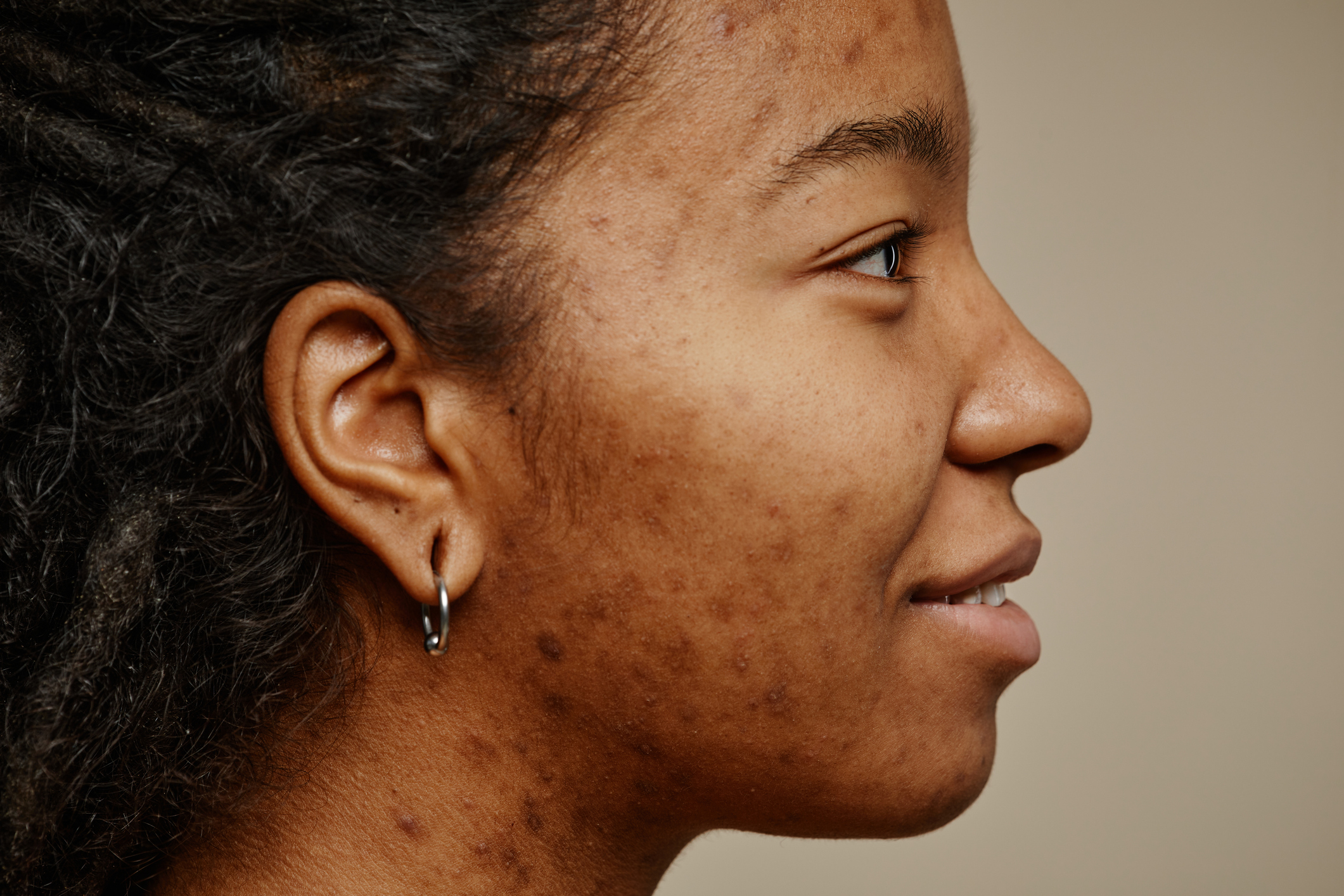
Melasma commonly appears as symmetrical patches of discoloration on the:
- Forehead
- Cheeks
- Upper lip
- Chin
Common triggers include:
- Pregnancy
- Birth control
- Hormonal fluctuations
- Inflammation
- Sun exposure
- Visible light exposure
- Heat exposure
Research shows that melasma is a chronic and relapsing pigmentation disorder influenced by hormones, ultraviolet light, visible light, and heat exposure, helping explain why recurrence is so common.
Study:
https://pmc.ncbi.nlm.nih.gov/articles/PMC5574745/
Hyperpigmentation Is Not Always Just a Surface-Level Problem
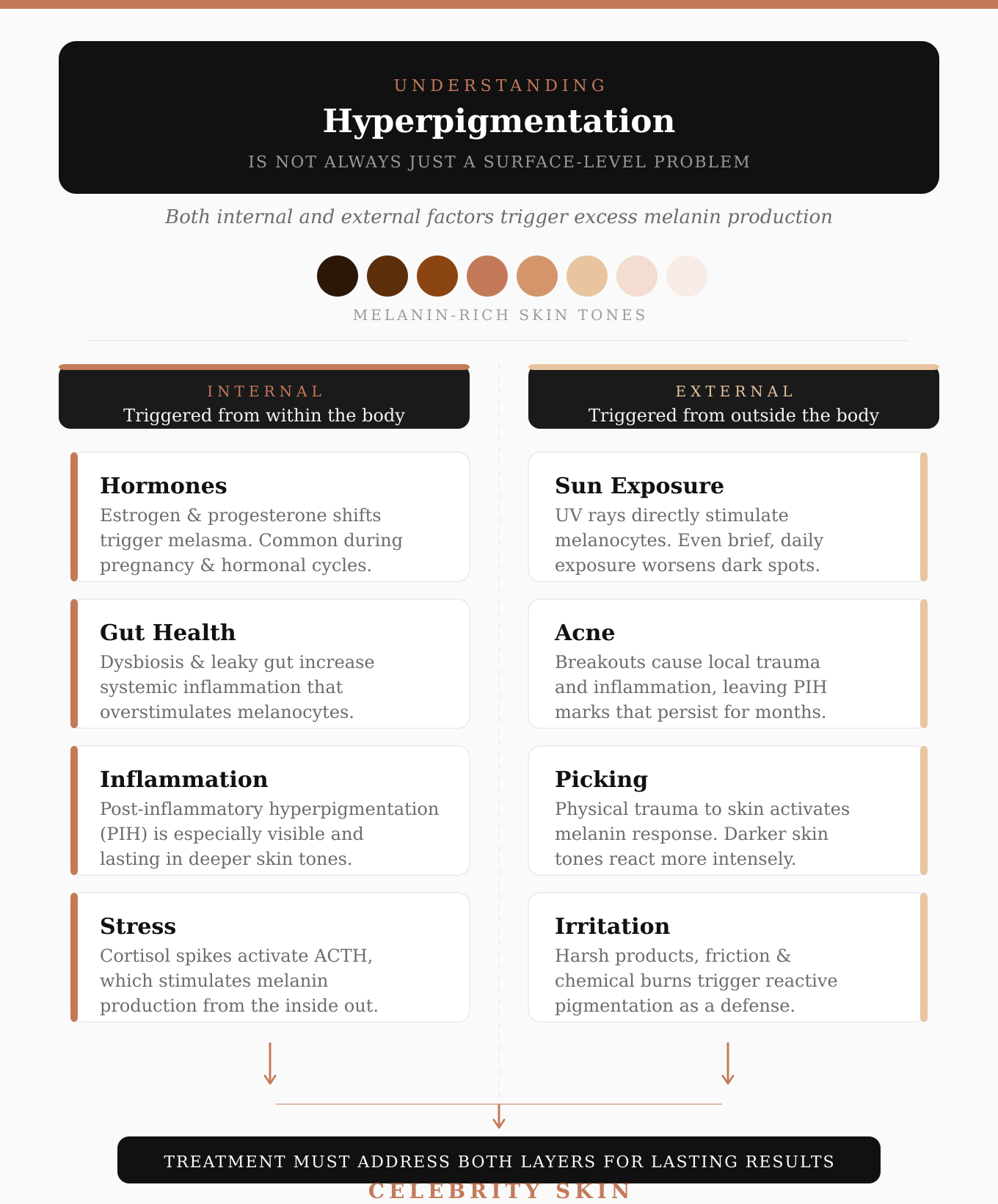
One of the biggest misconceptions about hyperpigmentation is that it is purely a cosmetic issue that can be solved with the right cream, serum, peel, or laser treatment.
While professional treatments and skincare can be extremely helpful, hyperpigmentation is often influenced by internal factors as well. This is one reason some people see only temporary improvement despite investing significant time and money into products and procedures.
Internal factors that may contribute to ongoing pigmentation concerns include:
- Chronic inflammation
- Hormonal fluctuations
- Insulin resistance and blood sugar imbalances
- Nutritional deficiencies
- Gut health imbalances
- Chronic stress
- Poor sleep quality
- Certain medications
- Ongoing inflammatory skin conditions
These internal factors may help explain why hyperpigmentation in darker skin tones can sometimes be difficult to treat with skincare products and procedures alone. While professional treatments can improve visible discoloration, addressing the underlying contributors may help support longer-lasting results.
These factors may increase inflammation, stimulate melanocyte activity, or contribute to recurring skin conditions that continually trigger new pigmentation.
For a deeper discussion of how internal factors may influence skin discoloration, read our article on Gut Health and Skin: The Hidden Acne-Gut Connection
This does not mean products and procedures are unimportant. Rather, they are often only one piece of a successful long-term treatment strategy.
Why Hyperpigmentation in Darker Skin Tones Keeps Returning
One of the biggest frustrations people experience is successfully improving pigmentation only to see it return months later.
Common causes of recurrence include:
- Continued sun exposure
- Heat exposure
- Hormonal fluctuations
- Ongoing inflammation
- Skin irritation
- Lack of maintenance treatments
- Continued acne breakouts
Treating visible pigment without addressing the underlying trigger frequently leads to disappointing long-term results.
If your pigmentation improves but repeatedly returns, read our article on Why Hyperpigmentation Keeps Returning to better understand the underlying causes of recurring discoloration.
Common Mistakes That Make Hyperpigmentation Worse
Many people unintentionally make their hyperpigmentation worse despite their best efforts to improve it.
Picking or Squeezing Blemishes
One of the fastest ways to create post-inflammatory hyperpigmentation is by picking at acne lesions. Every time the skin is injured, melanocytes can respond by producing additional pigment.
Inadequate Sun Protection
Even the most effective pigmentation treatments can be undermined by excessive sun exposure.
Ultraviolet light, visible light, and heat exposure can all stimulate melanin production and contribute to worsening hyperpigmentation.
Protecting your skin may include:
- Wearing wide-brimmed hats
- Seeking shade when possible
- Wearing UPF-rated clothing
- Using sunglasses
- Limiting prolonged sun exposure during peak hours
- Applying sunscreen when appropriate
Consistent sun protection remains one of the most effective ways to help prevent pigmentation from worsening.
Over-Exfoliating the Skin
Many people assume more exfoliation will help dark spots fade faster.
In reality, excessive exfoliation can damage the skin barrier, increase inflammation, and potentially worsen hyperpigmentation.
Using Too Many Active Ingredients

Layering multiple acids, retinoids, brightening agents, and exfoliants can increase irritation and inflammation—two major triggers for hyperpigmentation.
A simplified, well-designed skincare routine often produces better results than an overly complicated one.
Purchasing Products Based Solely on Ingredients
One of the most common misconceptions is that a product will automatically work simply because it contains ingredients such as vitamin C, niacinamide, kojic acid, or tranexamic acid. Some skin care ingredients like vitamin C can actually trigger breakouts in acne prone individuals that makes PIH worse.
The effectiveness of a product depends on much more than the ingredient list.
Factors such as concentration, stability, formulation, delivery systems, pH, packaging, and supporting ingredients all influence how well a product performs.
Professional skincare lines often invest heavily in formulation science, stability testing, ingredient delivery systems, and clinical research to maximize effectiveness….. and getting professional guidance, helps identify beneficial products and eliminate unnecessary and potentially problematic ones.
Choosing Overly Aggressive Treatments
Aggressive treatments are not always better treatments.
This is particularly important for darker skin tones, where excessive inflammation and dryness can increase the risk of post-inflammatory hyperpigmentation.
Best Treatments for Hyperpigmentation in Darker Skin Tones
Treating hyperpigmentation in darker skin tones requires a careful balance between improving discoloration and minimizing the risk of triggering additional inflammation.
Chemical Peels for Hyperpigmentation
Chemical peels remain one of the most effective professional treatments for hyperpigmentation in darker skin tones when selected appropriately.
Benefits may include:
- Improved skin tone
- Reduction of post-inflammatory hyperpigmentation
- Improved melasma
- Brighter skin
- Reduced acne-related discoloration
- Improved overall skin texture
- Reduce acne scarring
- Reduce fine lines
Many people worry that peels are unsafe for melanin-rich skin. Learn more about whether people with dark skin can get chemical peels.
A review evaluating cosmetic procedures in patients with skin of color concluded that properly selected chemical peels can often be performed safely and effectively in darker skin tones when treatment protocols are individualized and appropriate precautions are followed.
Study:
https://pmc.ncbi.nlm.nih.gov/articles/PMC10027327/
Learn more about our Chemical Peel Treatments.
Microneedling for Hyperpigmentation
Microneedling is often one of the most versatile treatment options for hyperpigmentation because it can address both pigmentation and acne scarring while stimulating collagen production.
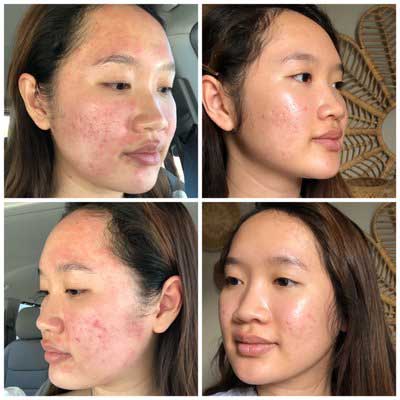
Potential benefits include:
- Improved skin tone
- Improved texture
- Reduced acne scars
- Increased collagen production
- Minimal downtime
Research suggests that microneedling has a favorable safety profile in Fitzpatrick skin types IV through VI and may help improve both hyperpigmentation and acne scarring while minimizing pigmentary complications associated with more aggressive procedures.
Study:
https://pubmed.ncbi.nlm.nih.gov/26549251/
Learn more about Microneedling for Hyperpigmentation and Acne Scars.
Medical-Grade Skincare for Hyperpigmentation
Professional treatments work best when combined with an appropriate home-care routine.
Ingredients commonly used to support pigmentation management include:
- Vitamin C
- Retinoids
- Azelaic acid
- Niacinamide
- Kojic acid
- Tranexamic acid
- Hydroquinone when appropriate
The goal is not simply to lighten existing pigment but to reduce inflammation, regulate melanin production, support skin barrier health, and help prevent recurrence.
Many people purchase products online based solely on ingredient lists and assume they are getting the same results as professional formulations.
Unfortunately, not all products are created equally.
The quality of the formulation, ingredient concentration, stability, delivery system, and supporting ingredients can dramatically influence results. This is one reason professional guidance is often helpful when creating a hyperpigmentation treatment plan.
Learn more about Hyperpigmentation.
Are Lasers Safe for Darker Skin Tones?
Many people assume lasers are automatically the best treatment for hyperpigmentation.
In reality, laser treatments require significantly more caution in darker skin tones.
In my experience, many individuals with skin of color—including those with lighter complexions but olive, Mediterranean, Hispanic, Middle Eastern, Asian, or mixed ethnic backgrounds—can be more prone to pigmentary complications than they realize.
Many lasers work by targeting pigment and generating heat within the skin. While this can be beneficial in certain situations, heat and inflammation can also stimulate melanocytes and increase the risk of:
- Post-inflammatory hyperpigmentation
- Uneven pigmentation
- Pigment recurrence
- Delayed healing
This is one reason why laser treatments are often approached differently when treating hyperpigmentation in darker skin tones than they are in lighter skin types.
Research evaluating cosmetic procedures in patients with skin of color emphasizes the importance of proper patient selection, conservative treatment settings, and experienced providers when using lasers in darker skin tones.
Study:
https://pmc.ncbi.nlm.nih.gov/articles/PMC10027327/
Another factor that is frequently overlooked is proper skin preparation before treatment and diligent aftercare afterward.
When the skin barrier is compromised, inflammation is present, or pigmentation is already unstable, aggressive procedures may increase the likelihood of complications.
While lasers can be extremely effective in selected cases, hyperpigmentation in darker skin tones often responds well to lower-risk approaches such as medical-grade skincare, chemical peels, microneedling, LED light therapy, and pigment stabilization strategies.
This is one reason I often prefer to begin with these lower-risk treatment options before considering more aggressive procedures.
Certain laser technologies can be appropriate for selected patients with darker skin tones, but lasers are often best viewed as one tool among many rather than an automatic first-line solution for hyperpigmentation in darker skin tones.
How to Prevent Hyperpigmentation in Darker Skin Tones from Returning
Preventing hyperpigmentation in darker skin tones is often easier than treating existing discoloration. While professional treatments can improve dark spots, melasma, post-inflammatory hyperpigmentation (PIH), and uneven skin tone, preventing new pigment from developing is essential for maintaining long-term results.
Some of the most effective ways to help prevent hyperpigmentation in darker skin tones from returning include:
- Treating acne and inflammation early
- Avoiding picking or squeezing blemishes
- Protecting the skin from excessive sun exposure
- Wearing hats and sun-protective clothing when appropriate
- Using sunscreen when additional protection is needed
- Following post-treatment instructions carefully
- Avoiding overly aggressive skincare products and procedures
- Managing hormonal triggers when possible
- Addressing internal contributors such as chronic inflammation, stress, and gut health
For many individuals, consistent maintenance is just as important as the initial treatment itself.
Hyperpigmentation in darker skin tones often develops because melanocytes remain highly responsive to inflammation and environmental triggers. Even after pigment has improved, continued exposure to those triggers can contribute to recurrence.
This is particularly true for melasma, which is often considered a chronic condition that requires ongoing management rather than a one-time treatment.
The good news is that a combination of professional treatments, medical-grade skincare, sun protection strategies, and attention to internal contributors can significantly improve long-term outcomes and help reduce the risk of recurring pigmentation.
Frequently Asked Questions
Why is hyperpigmentation more common in darker skin tones?
Melanocytes in darker skin are generally more reactive and produce more pigment in response to inflammation, injury, hormones, and environmental triggers.
What is the difference between PIH and melasma?
Post-inflammatory hyperpigmentation develops after inflammation or injury. Melasma is a chronic pigmentation disorder more strongly associated with hormones, sunlight, visible light, and heat exposure.
Can people with dark skin get chemical peels?
Yes. Many superficial and selected medium-depth chemical peels can be performed safely in darker skin tones when appropriate formulations and treatment protocols are used.
Is microneedling safe for darker skin tones?
Research suggests microneedling has a favorable safety profile for many individuals with skin of color and may improve both hyperpigmentation and acne scarring.
Are lasers safe for darker skin tones?
Some lasers can be used safely in darker skin tones, but treatment selection is critical. Certain lasers carry a higher risk of post-inflammatory hyperpigmentation and should be approached with caution.
Can heat make hyperpigmentation worse?
Yes. Heat exposure may contribute to worsening pigmentation and melasma in some individuals, even when direct sun exposure is limited.
Does hyperpigmentation fade on its own?
Some forms of hyperpigmentation may gradually fade over time, but deeper pigmentation can persist for months or even years without treatment.
Is hyperpigmentation permanent?
Most hyperpigmentation is not permanent, but it can be persistent and may recur if the underlying causes are not addressed.
Key Takeaway
Hyperpigmentation in darker skin tones can be challenging to treat, but it is often possible to significantly improve discoloration with the right approach. By identifying the underlying cause, preventing new pigmentation from developing, addressing both internal and external contributors, using appropriate skincare, and selecting treatments that are safe for melanin-rich skin, many individuals can achieve a clearer, more even complexion while minimizing the risk of recurrence.
Looking for a Personalized Approach to Hyperpigmentation?
Hyperpigmentation in darker skin tones is rarely a one-size-fits-all condition. Factors such as PIH, melasma, hormones, inflammation, sun exposure, skincare habits, and skin type can all influence which treatments are most appropriate.
If you’re struggling with dark spots, uneven skin tone, or persistent discoloration, our Comprehensive Skin Consultation + Treatment can help identify the underlying causes and create a customized treatment plan tailored to your skin.

Can’t make it into the office? Our Virtual Comprehensive Skin Consultation provides personalized skincare recommendations, treatment planning, and professional guidance from the comfort of your home.