
By Jennifer Swink | Celebrity Skin
Using probiotics for acne and gut health is one of the most effective inside-out strategies for clearing your skin — but it requires the right approach. In Part 1 of this series, we covered why the gut drives acne. Now it is time to talk about what you can actually do about it — specifically, how probiotics, prebiotics, postbiotics, and dietary fiber work together to restore gut balance and clear your skin from the inside out.
Table of Contents
The Skin Microbiome Connection
Just as your gut has a microbiome, so does your skin. The skin microbiome is a protective ecosystem of bacteria, fungi, and other microorganisms living on the skin’s surface that regulates immune responses and maintains the skin barrier.
Research shows the gut microbiome directly shapes the skin microbiome. When gut bacteria are out of balance, it alters which microorganisms populate your skin — creating conditions where acne-driving organisms thrive. A 2022 review in Microorganisms confirmed a bidirectional relationship between gut microbiota and skin health, identifying the gut-skin axis as a key target for treating inflammatory skin conditions.
Research published in Folia Microbiologica also found that the gut microbiome of acne patients is distinctly different from those with clear skin, showing less microbial diversity — further confirming that gut health is central to what happens on your skin.
This is why skincare alone so often falls short. Healing the gut shifts the microbial landscape of the skin itself.
To learn more about acne and what causes it, visit our acne conditions page here.
Probiotics for Acne: Your Gut-Skin Bridge
Probiotics for acne and gut health work by restoring microbial balance, reducing systemic inflammation, and reinforcing the gut barrier. Specific strains have shown the strongest evidence for acne:
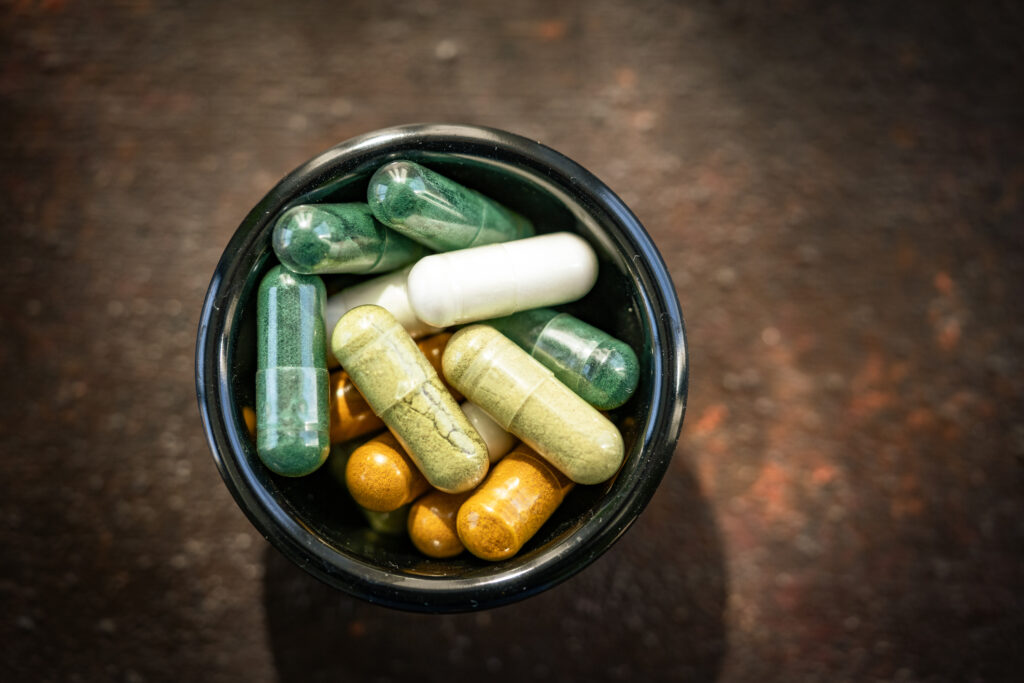
- Lactobacillus acidophilus — supports the gut lining and reduces inflammatory cytokines
- Lactobacillus rhamnosus — linked to visibly fewer pimples and breakouts in clinical trials
- Bifidobacterium longum — helps modulate immune responses and reduce skin sensitivity and reactivity
While specific strains like these have shown strong evidence for acne, the goal is not to find one targeted probiotic and stop there. Your gut is home to trillions of bacteria across hundreds of species, and a truly healthy microbiome is a diverse one. A well-rounded probiotic with multiple strains supports the broader ecosystem your gut needs to function — not just the narrow goal of reducing breakouts. One strain is not enough.
Strain specificity, potency (CFU count), survivability through the digestive tract, and delivery mechanism all determine whether a product actually works. Working with a practitioner to identify the right multi-strain formula for your gut profile is far more effective than picking a probiotic off a pharmacy shelf.
Building a Healthier Gut Environment — Pre, Pro & Postbiotics Explained
Taking a probiotic without the right environment to support it is like planting seeds in dry soil and walking away. The beneficial bacteria may arrive, but without the nutrients and conditions they need to survive, they struggle to thrive.
Supporting a healthier gut microbiome requires more than simply adding probiotics. It also involves feeding and supporting those beneficial bacteria through a combination of prebiotics, postbiotics, fiber, and overall lifestyle habits that help create a healthier gut environment long term.
A more comprehensive gut-support strategy typically includes:
Prebiotics
The food beneficial bacteria need to survive and multiply. These are non-digestible fibers found in garlic, onions, leeks, asparagus, bananas, oats, and Jerusalem artichokes. Without a steady supply of prebiotics, newly introduced probiotic bacteria cannot take hold in your gut lining.

Probiotics
The live beneficial bacteria themselves — through supplementation or fermented foods like sauerkraut, kimchi, kefir, plain yogurt, and miso. These are the workers. But workers need food to survive.
Postbiotics
The beneficial byproducts produced when healthy gut bacteria ferment fiber — including short-chain fatty acids (SCFAs) like butyrate. Butyrate directly nourishes the intestinal lining, reduces inflammation, and helps seal the tight junctions that prevent leaky gut. Research published in Mediators of Inflammation confirmed that increased intestinal permeability — leaky gut — triggers immune responses that drive chronic inflammation throughout the body, including the skin. Support postbiotic production by eating enough fiber, or choose supplements that combine all three in a single formula.
Fiber: The Non-Negotiable Foundation for Gut and Skin Health
Fiber is a type of carbohydrate found in plant foods that the human body cannot fully digest. Instead of being broken down and absorbed like sugar or starch, fiber travels into the colon where it helps feed beneficial gut bacteria and support a healthier gut microbiome.
When beneficial bacteria ferment fiber, they produce important compounds called postbiotics, including short-chain fatty acids that help support gut barrier health, immune function, inflammation balance, detoxification, and even skin health.
This matters because the gut microbiome and skin are closely connected through the gut-skin axis. Poor gut health, low microbiome diversity, inflammation, blood sugar dysregulation, and impaired digestion may all contribute to acne, skin inflammation, redness, and other chronic skin concerns.
If you take probiotics for acne and gut health but do not eat enough fiber, those beneficial bacteria will struggle to survive and thrive. Fiber is not optional — it is the primary fuel source your gut microbiome depends on.
The average American consumes only about 10 to 15 grams of fiber per day, while the recommended minimum is approximately 25 to 38 grams daily. Some researchers suggest optimal fiber intake may be even higher, particularly in populations consuming more whole plant foods associated with improved gut microbiome diversity and lower levels of chronic inflammation.
One of the many problems with highly processed foods is that they are often stripped of much of their natural fiber. Many breads, pastas, cereals, snack foods, and baked goods are significantly lower in fiber than whole, minimally processed plant foods.
Fiber also helps slow how quickly sugar enters the bloodstream, which supports a healthier blood sugar and insulin response. This is important because elevated insulin levels and high-glycemic diets have been associated with increased inflammation and acne activity. Research published in The American Journal of Clinical Nutrition found that a low-glycemic-load diet improved both acne severity and insulin sensitivity, suggesting that blood sugar regulation plays a meaningful role in acne and inflammation.
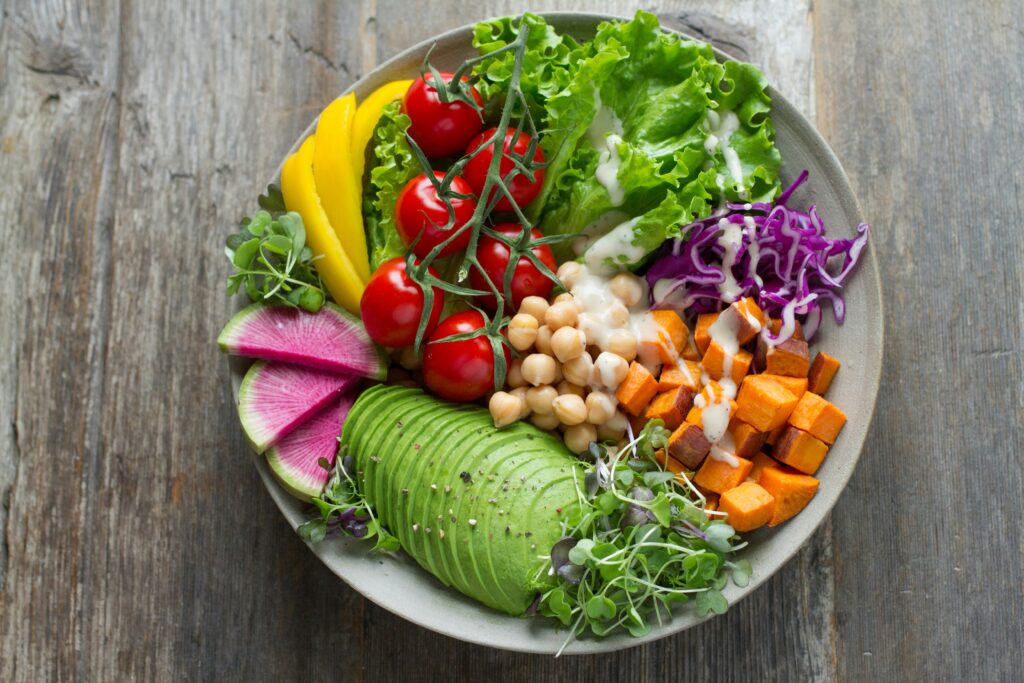
Fiber-Rich Foods That Support Beneficial Gut Bacteria
- Vegetables — Broccoli, artichokes, leafy greens, carrots, beets
- Legumes — Lentils, black beans, chickpeas (if tolerated)
- Fruits — Apples with skin, berries, pears, kiwi
- Whole grains — Oats, quinoa, brown rice (if tolerated)
- Nuts and seeds — Flaxseed, chia seeds, almonds
When choosing a probiotic supplement, look for formulas that also include prebiotic support such as inulin, FOS (fructooligosaccharides), or chicory root alongside live probiotic strains. Some advanced formulas may also include postbiotic compounds to help further support gut barrier health, inflammation balance, and microbiome function.
Why Gut Health Requires More Than Supplements for Clear Skin
Probiotics, prebiotics, postbiotics, and fiber can be powerful tools for supporting gut and skin health — but they are not a shortcut around the foundational habits that influence inflammation, hormones, blood sugar, and skin function every day.
If you are chronically under-sleeping, highly stressed, eating a heavily processed diet, constantly spiking blood sugar, or using products that disrupt your skin barrier, supplements alone are unlikely to fully overcome those factors.
This is especially important when it comes to blood sugar and insulin balance. Frequent blood sugar spikes increase insulin levels, which can influence androgen hormones and inflammatory pathways associated with acne. The encouraging part is that many of the same habits that support the gut microbiome — including higher fiber intake, reducing ultra-processed foods, and prioritizing whole foods — may also help support healthier blood sugar balance and overall skin health. It really is two birds with one stone.
Healing the gut and improving the skin often requires identifying and reducing your own personal triggers as much as possible. Research on the gut-skin axis shows that microbial dysbiosis — an imbalance in gut bacteria — is directly linked to skin inflammation and barrier dysfunction. That may include evaluating diet, lifestyle habits, stress, sleep, skincare products, medications, inflammation triggers, and overall skin barrier health as part of a more comprehensive approach.
Want to go deeper on root causes? Read: The Root Cause of Acne, Hyperpigmentation, and Aging
Professional Supplement Support for Gut and Skin Health
I have curated a selection of professional-grade gut and skin support supplements through my Fullscript practitioner dispensary — including targeted probiotics, gut barrier support nutrients like L-glutamine and zinc carnosine, combination pre/pro/postbiotic formulas, and anti-inflammatory botanicals.
The supplement industry is largely unregulated. Professional-grade supplements go through rigorous third-party testing and meet higher manufacturing standards, so you can trust that what is on the label is what is in the bottle. Exclusive practitioner pricing available through my dispensary.
Access my Fullscript dispensary here
Frequently Asked Questions About Probiotics for Acne and Gut Health
Do I need prebiotics, or is a probiotic supplement enough?
Probiotics alone are rarely sufficient. Beneficial bacteria need prebiotics to survive and multiply in your gut. Without adequate fiber and prebiotic foods, newly introduced bacteria will die off. Pair your probiotic with prebiotic-rich foods or choose a supplement that combines prebiotics, probiotics, and postbiotics in one formula.
What probiotic strains are most researched for acne?
The most researched probiotic strains for acne and skin inflammation include Lactobacillus acidophilus, Lactobacillus rhamnosus, and Bifidobacterium longum. Research suggests these strains may help support inflammation balance, skin barrier function, and the gut microbiome in individuals with acne-prone skin. Strain diversity, quality, survivability, and adequate fiber intake all matter. In many cases, a multi-strain probiotic combined with prebiotic fiber creates a more supportive environment for long-term microbiome health. And remember — no single strain is enough. A diverse formula with multiple species is what builds a truly healthy microbiome.
How long does it take to see results from probiotics for acne?
The gut-skin connection typically works on a timeline of weeks to months rather than days. Some individuals notice digestive improvements within several weeks, while visible skin improvements may take longer as inflammation, microbiome balance, and skin turnover gradually improve over time.
Should I take probiotics if I’ve been on antibiotics for acne?
Yes — and it is especially important. Antibiotics significantly disrupt the gut microbiome. Replenishing beneficial bacteria during and after antibiotic use is an important step in supporting long-term gut and skin health.
What foods should I eat and avoid for gut health and clear skin?
Focus on fiber-rich vegetables, fermented foods, omega-3 fatty acids, and polyphenol-rich foods like berries and green tea. Reduce or eliminate refined sugar, ultra-processed foods, alcohol, conventional dairy, and gluten — particularly if you notice sensitivity to any of these.
Do I need lab testing before starting a gut healing protocol?
Testing is not always required. You can absolutely start by diversifying your probiotic strains, increasing fiber, eating anti-inflammatory foods, and eliminating your personal triggers — and your gut will respond. Most people see meaningful improvement by getting the fundamentals right first. If you have done all of that and are still struggling, that is when more targeted functional testing may be worth exploring with your doctor.
Can gut health really affect acne?
Emerging research on the gut-skin axis suggests that gut health, inflammation, digestion, microbiome diversity, and immune function may all play a role in acne and skin inflammation. While gut health is rarely the only cause of acne, addressing internal factors may help support healthier skin alongside appropriate skincare and treatment strategies.
Can probiotics make acne worse at first?
Some individuals may temporarily experience digestive changes, bloating, or mild skin fluctuations when first introducing probiotics or increasing fiber intake, particularly if changes are made too quickly. Gradually increasing fiber and introducing new supplements slowly may help improve tolerance.
Are fermented foods enough, or do I need supplements?
Fermented foods can help support microbiome diversity and overall gut health, but some individuals may benefit from additional probiotic or prebiotic supplementation depending on their diet, digestive health, antibiotic history, lifestyle, and skin concerns.
Key Takeaway
Gut health and clear skin are not about finding a single magic supplement. Supporting the microbiome and improving acne through probiotics for acne and gut health requires a more comprehensive approach that includes fiber, diet, lifestyle habits, inflammation balance, stress management, sleep, skincare habits, and consistency over time.

Looking for a More Personalized Approach to Clear Skin?
A Comprehensive Acne Consultation at Celebrity Skin goes far beyond identifying which probiotics to take. Using an inside-and-outside approach, we take a thorough look at everything that may be contributing to your breakouts — because acne rarely has a single cause.
Your consultation includes:
- Detailed acne assessment and skin analysis
- Review of your current skincare products, ingredients, and routine
- Skin barrier assessment and personalized skincare guidance
- Diet review and nutrition evaluation — including how your food choices may be driving inflammation, blood sugar spikes, and hormonal acne
- Assessment of potential acne triggers including hormones, stress, sleep, and lifestyle factors
- Supplement and medication review
- Personalized supplement protocol recommendations through my professional dispensary
- Lab recommendations if appropriate — for example, hormone panels worth discussing with your doctor
- Customized long-term acne management strategy focused on healthier skin and maintainable results
- Acne-focused education so you understand your skin and can confidently maintain your results
The goal is not temporary improvement. It is a personalized, corrective strategy that addresses your skin from the inside out — so your results last.
Consultations are available in person in Scottsdale or virtually via Zoom for clients outside the area.
Book your Comprehensive Acne Consultation here
Ready to consult and treat the same day? Book your Comprehensive Acne Consultation + Treatment here
Your skin is a reflection of your inner health. You deserve to feel confident in both.
*The information in this post is for educational purposes only and is not intended to replace personalized medical advice. Please consult with a qualified healthcare provider before beginning any new supplement or treatment protocol.