
By Jennifer Swink | Celebrity Skin
Wrinkles, sagging skin, loss of elasticity, and thinning skin are common concerns as we age, leading many women to wonder how to rebuild lost collagen and maintain healthier, firmer skin. While collagen production naturally declines over time—especially after menopause—research suggests it is possible to stimulate new collagen production and slow further collagen breakdown through proper nutrition, resistance training, evidence-based skincare, targeted supplements, and professional treatments.
The good news is that collagen loss is not entirely out of your control. Factors such as inflammation, hormone changes, blood sugar imbalances, UV exposure, poor nutrition, and lifestyle habits can significantly accelerate collagen breakdown and skin aging. In this article, you’ll learn what causes collagen loss, how menopause affects collagen production, and the most effective strategies to rebuild and protect collagen for healthier, stronger, and more resilient skin.
Table of Contents
What Is Collagen and Why Does It Matter?
Collagen is the most abundant protein in the body and serves as the structural framework that keeps skin firm, smooth, resilient, and youthful-looking.
It helps maintain:
- Skin thickness
- Elasticity
- Firmness
- Hydration
- Wound healing
- Structural support
Beginning in our mid-20s, collagen production naturally declines while collagen breakdown gradually increases. Over time, this contributes to:
- Fine lines and wrinkles
- Sagging skin
- Crepey texture
- Thinner skin
- Slower healing
- Loss of elasticity
While aging is inevitable, accelerated collagen loss is often driven by factors that can be addressed.
What Causes Collagen Loss?
Natural Aging
As we age, fibroblasts—the cells responsible for producing collagen—become less active. At the same time, collagen-degrading enzymes called matrix metalloproteinases (MMPs) increase.
Research shows age-related increases in MMP activity contribute directly to collagen degradation and structural changes within the skin.
Study:
https://journals.plos.org/plosone/article?id=10.1371/journal.pone.0292791
Sugar and Glycation
One of the most overlooked causes of collagen loss is glycation.
When excess sugar circulates in the bloodstream, it binds to collagen fibers and forms compounds called Advanced Glycation End Products (AGEs). These damaged collagen fibers become stiff, brittle, and difficult for the body to repair.
Over time, glycation contributes to:
- Wrinkles
- Sagging skin
- Loss of elasticity
- Dullness
- Premature aging
Study:
https://pmc.ncbi.nlm.nih.gov/articles/PMC12024170/
Chronic Inflammation
Chronic inflammation is one of the most overlooked contributors to collagen loss and premature skin aging.
Unlike the short-term inflammation that helps the body heal after an injury, chronic inflammation persists over time and can accelerate collagen breakdown throughout the body.
Common contributors to chronic inflammation include:
- Diets high in sugar and ultra-processed foods
- Blood sugar imbalances and insulin resistance
- Excess body fat, particularly around the abdomen
- Chronic stress
- Poor sleep
- Smoking and excessive alcohol consumption
- Sedentary lifestyles
- Environmental toxins and pollution
- Poor oral health and gum disease
- Gut microbiome imbalances (gut dysbiosis)
- Autoimmune and inflammatory conditions
- Repeated sunburns and chronic UV damage
Chronic inflammation also increases the production matrix metalloproteinases (MMPs), which can break down collagen faster than the body can replace it.
Because inflammation is also linked to acne, hyperpigmentation, and accelerated skin aging, reducing inflammation may be one of the most effective ways to support both healthy skin and healthy aging.
Related Reading:
Root Causes of Acne, Hyperpigmentation & Aging
Filtered Water for Skin Health: 7 Hidden Risks of Tap Water
UV Exposure
Spending time outdoors is important for physical and mental health. However, repeated sunburns and chronic UV damage can significantly accelerate collagen breakdown and skin aging.
Research shows that ultraviolet (UV) radiation increases the production of MMPs, generates free radicals, and damages the fibroblasts responsible for producing collagen and elastin.
Particular concern should be given to:
- Repeated childhood and adolescent sunburns
- Frequent tanning that results in pink or red skin
- Chronic long periods of unprotected sun exposure
- Indoor tanning beds
The goal is not to avoid the sun entirely. Sunlight plays important roles in overall health, mood, circadian rhythm regulation, and vitamin D production. Instead, the goal is to enjoy time outdoors while minimizing excessive UV damage through shade, sun-protective clothing, hats, and appropriate sunscreen use when needed.
Menopause and the Collagen Cliff
For many women, the most dramatic collagen changes occur during perimenopause and menopause.
Estrogen plays a critical role in:
- Collagen production
- Skin thickness
- Hydration
- Elasticity
- Wound healing
As estrogen declines, collagen production declines as well.
Research suggests women may lose up to 30% of their skin collagen during the first five years after menopause, making it one of the most rapid periods of structural skin aging.
Common symptoms include:
- Increased skin laxity
- Deepening lines and folds
- Dryness
- Thinning skin
- Loss of firmness
- Slower healing
Does Hormone Replacement Therapy Help Collagen Loss?
For women and their physicians who determine it is medically appropriate, hormone replacement therapy (HRT) may help support skin health during menopause.
Research suggests menopausal hormone therapy may improve:
- Skin thickness
- Elasticity
- Hydration
- Collagen content
Study:
https://e-jmm.org/DOIx.php?id=10.6118/jmm.22042
How to Rebuild Lost Collagen
While you cannot completely restore your skin to the collagen levels of your twenties, research clearly demonstrates that collagen production can be stimulated at virtually any age.
The goal is to:
- Slow ongoing collagen breakdown
- Stimulate new collagen production
- Improve skin thickness
- Improve elasticity
- Improve firmness
- Improve overall skin quality
The 30-30-3 Approach for Healthy Skin Aging
One of the simplest ways to support collagen production, healthy aging, hormone balance, and gut health is to focus on a few foundational nutrition habits.
The 30-30-3 approach is a practical framework based on research related to protein intake, fiber consumption, and gut microbiome health:
- 30 grams of protein per meal
- 30 grams of fiber per day
- Up to 3 servings of probiotic-rich foods per day
While these numbers are not part of a single published protocol, they are derived from evidence supporting healthy aging, muscle maintenance, blood sugar regulation, hormone metabolism, inflammation control, and gut microbiome diversity—all of which may influence skin health and collagen production.
30 Grams of Protein Per Meal
Aim for at least 30 grams of protein at each meal.
While the current Recommended Dietary Allowance (RDA) for protein is approximately 0.8 grams per kilogram of body weight per day, many healthy aging experts recommend aiming for approximately 25–35 grams of protein per meal. A simple goal is to consume about 30 grams of protein at each meal to support muscle maintenance, tissue repair, and collagen production.
Examples include:
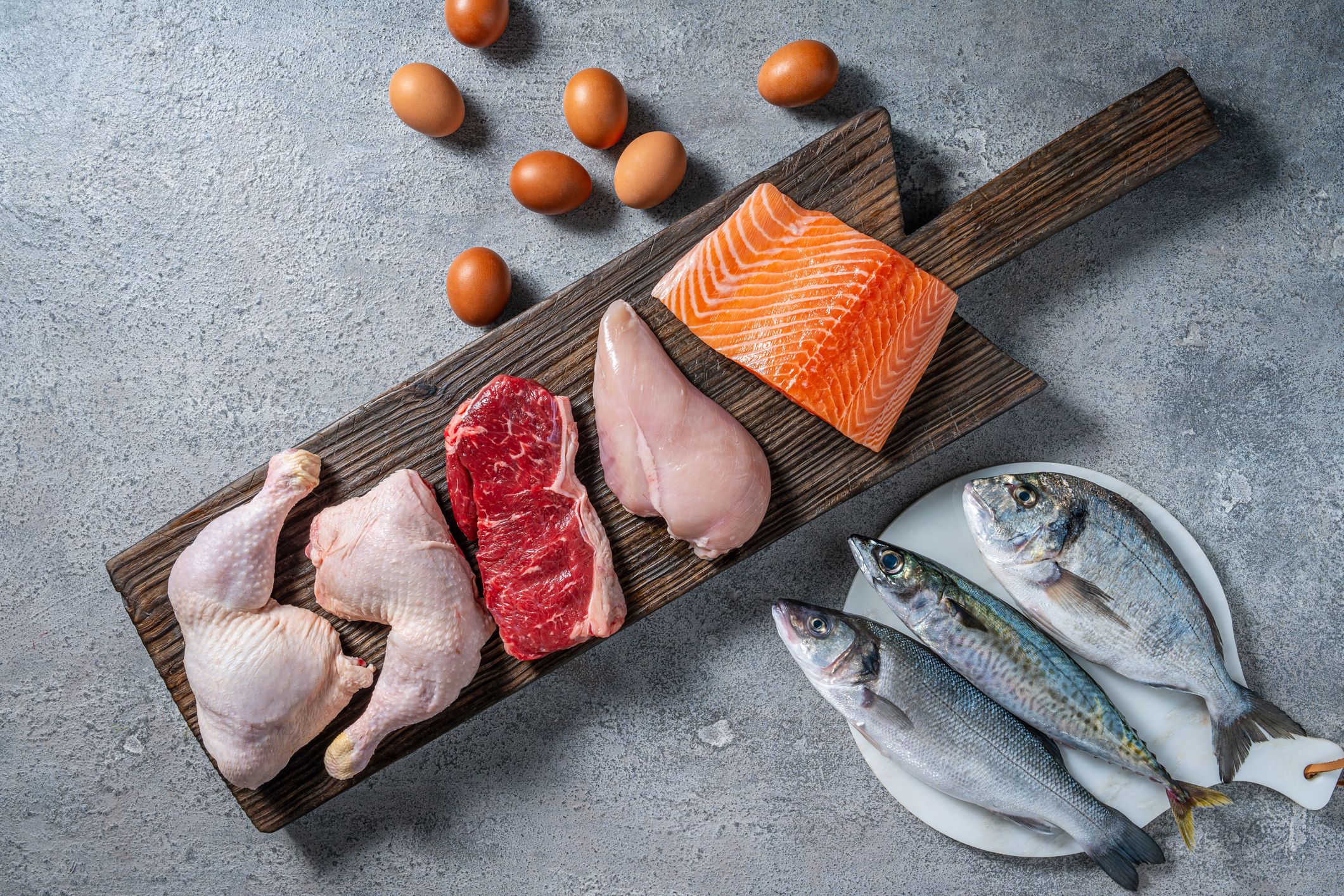
- Fish
- Eggs
- Poultry
- Greek yogurt
- Cottage cheese
- Lean meats
- Tofu
- Tempeh
- Legumes
Protein provides the amino acids required for collagen production, tissue repair, muscle maintenance, and healthy aging.
30 Grams of Fiber Per Day
Fiber helps:
- Feed beneficial gut bacteria
- Improve blood sugar control
- Reduce glycation
- Support estrogen metabolism
- Reduce inflammation
3 Probiotic Foods Per Day
Your gut microbiome influences:
- Inflammation
- Hormone balance
- Estrogen metabolism
- Nutrient absorption
- Immune function
- Production of important vitamins
Aim for three probiotic-rich foods daily:

- Yogurt
- Kefir
- Sauerkraut
- Probiotic rich cottage cheese
- Apple Cider Vinegar
- Kimchi
- Miso
- Tempeh
Related Reading:
Why Resistance Training Matters for Collagen and Healthy Aging
Many people focus on skincare products and treatments while overlooking one of the most powerful tools for healthy skin aging: resistance training.
Resistance training helps:
- Improve insulin sensitivity (helps reduce glycation and collagen damage)
- Reduce inflammation (helps decrease collagen breakdown)
- Support healthy hormone signaling (supports tissue repair and collagen production)
- Increase growth factors involved in tissue repair (supports collagen remodeling)
- Preserve muscle mass (supports healthy aging and skin structure)
- Support connective tissue health (helps maintain collagen-rich tissues)
Combined with adequate protein intake, resistance training helps create an internal environment that supports healthy collagen production and tissue repair.
Aim for at least 2-4 resistance training sessions weekly.
Topical Skincare That Supports Collagen Production
Daily Sun Protection: Protect the Collagen You Already Have
One of the most effective ways to slow collagen loss is to protect the collagen you already have.
Whenever possible, prioritize:

- Sun-protective clothing
- Wide-brimmed hats
- Shade
- Avoiding peak sun hours
When additional protection is needed, choose a broad-spectrum physical (mineral) sunscreen containing zinc oxide, titanium dioxide, or both.
Retinoids: The Gold Standard
Retinoids are among the most researched ingredients for supporting collagen production.
Examples include:
- Retinol
- Retinaldehyde
- Prescription tretinoin
Benefits include:
- Increased collagen production
- Reduced collagen breakdown
- Improved skin texture
- Reduced fine lines
Vitamin C
Vitamin C helps:
- Support collagen production
- Reduce oxidative stress
- Brighten skin tone
- Improve uneven pigmentation
Topical Peptides
Peptides are short chains of amino acids commonly used in skincare products to support healthy skin aging and overall skin quality.
Examples include:
- Signal peptides
- Matrixyl®
- Growth-factor peptides
- Copper peptides (GHK-Cu)
Research suggests certain topical peptides may help:
- Support collagen production
- Improve skin firmness and elasticity
- Support skin repair
- Reduce the appearance of fine lines and wrinkles
- Promote healthier-looking skin
Supplements That Support Collagen Production
While nutrition should always be the foundation, certain supplements may help support collagen production, healthy aging, and skin health when combined with adequate protein intake, a nutrient-dense diet, resistance training, and healthy lifestyle habits.
Nutrients That Help Build Collagen
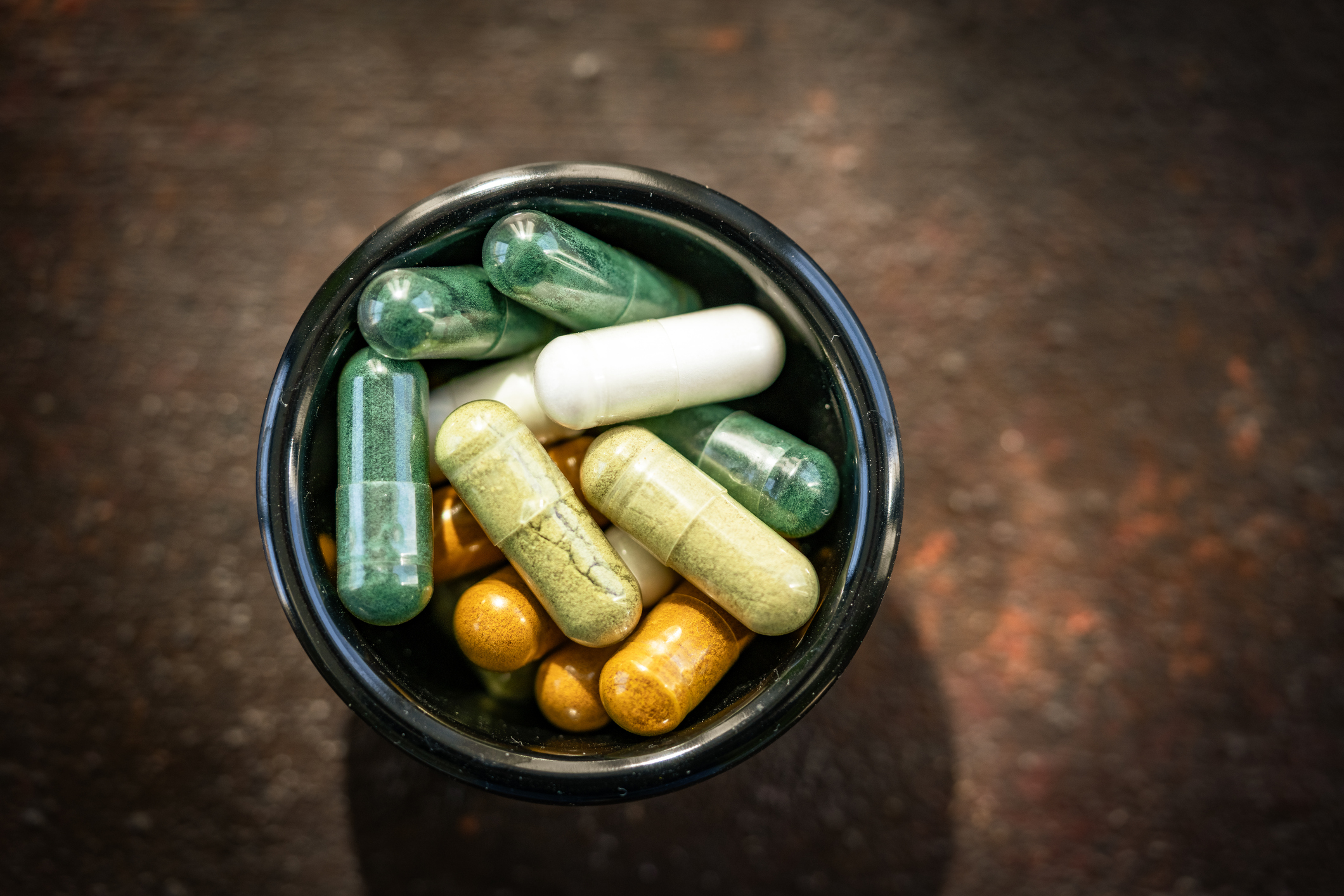
- Collagen peptides with complete amino acid profile
- Vitamin C
- Zinc
- Copper
The goal is not only to stimulate new collagen production but also to help slow the processes that break collagen down.
Protecting the Collagen You Already Have
Building collagen is only half the equation. Protecting the collagen you already have is equally important.
As we have already mentioned, one of the primary drivers of collagen breakdown is matrix metalloproteinases (MMPs). These enzymes naturally increase with aging but can also be stimulated by UV exposure, chronic inflammation, oxidative stress, smoking, glycation, blood sugar imbalances, and declining estrogen levels during menopause.
When MMP activity becomes elevated, collagen can be broken down faster than the body can replace it. Over time, this contributes to wrinkles, sagging skin, loss of elasticity, and other visible signs of skin aging.
Research suggests certain nutrients may help support collagen preservation by helping regulate inflammation, oxidative stress, and excessive MMP activity, including:
- Vitamin C
- Omega-3 fatty acids
- Green tea extract (EGCG)
- Sulforaphane (broccoli sprout extract)
- Curcumin
- Astaxanthin
Several of these nutrients serve multiple functions. For example, vitamin C supports collagen production while also helping protect collagen from oxidative damage, and omega-3 fatty acids may help reduce inflammation that contributes to collagen breakdown.
Daily sun protection, blood sugar control, resistance training, adequate protein intake, and anti-inflammatory lifestyle habits may also help reduce excessive collagen breakdown and support healthier skin aging.
Looking for Professional-Grade Supplements?
Finding high-quality supplements can be challenging. Product quality, ingredient sourcing, dosage, and third-party testing can vary significantly between brands.
For those looking for professional-grade options, we offer access to an exclusive practitioner dispensary featuring supplements selected to support skin health, healthy aging, inflammation management, gut health, hormone balance, and collagen production.
👉 Browse Our Professional Supplement Dispensary
What About Injectable Peptides?
Injectable peptides are an emerging area of regenerative and longevity medicine that has generated significant interest for their potential effects on tissue repair, wound healing, inflammation reduction, and collagen support.
Examples commonly discussed include:
- GHK-Cu
- BPC-157
- TB-500
- CJC-1295
- Ipamorelin
Unlike collagen supplements, which primarily provide building blocks for collagen production, injectable peptides are believed to act as signaling molecules that may influence cellular repair and regeneration.
Researchers are currently investigating whether certain peptides may help:
- Stimulate collagen production
- Support elastin formation
- Improve wound healing
- Enhance tissue repair and regeneration
- Reduce inflammation
- Improve skin thickness and firmness
- Support healthy aging processes
Of particular interest is GHK-Cu, a naturally occurring copper peptide that has demonstrated collagen-stimulating and wound-healing effects in laboratory and topical studies. Other peptides, such as BPC-157 and TB-500, are being studied for their potential role in tissue repair and recovery, while growth hormone secretagogues such as CJC-1295 and Ipamorelin may indirectly influence collagen production through growth hormone and IGF-1 signaling pathways.
While the early science is intriguing, much more high-quality human research is needed before definitive conclusions can be made regarding injectable peptides specifically for skin aging and collagen restoration. At this time, injectable peptides should be viewed as a promising area of ongoing research rather than a proven replacement for evidence-based strategies such as proper nutrition, topical retinoids, sun protection, microneedling, fractional laser treatments, and healthy lifestyle habits.
We will explore the science behind injectable peptides, collagen production, and skin aging in greater detail in an upcoming article.:
What Is the Best Treatment for Collagen Loss?
Microneedling
Microneedling is one of the most researched collagen-induction treatments available.
Benefits include:
- Improved firmness
- Reduced fine lines
- Better texture
- Improved acne scars
- Increased collagen production
- Suitable for most skin tones, including darker skin tones, with a lower risk of pigment changes, minimal downtime, and a more cost-effective approach than many aggressive laser treatments while providing noticeable skin rejuvenation results.
Study:
https://pmc.ncbi.nlm.nih.gov/articles/PMC4509584/
Learn more about microneedling here:
Medical Grade LED Light Therapy
Red LED light therapy helps support fibroblast activity and collagen production. Medical-grade LED light therapy helps stimulate collagen production, improve skin firmness, and soften the appearance of fine lines and wrinkles with no discomfort or downtime.
Learn more about LED Light Therapy here:
Medium-Depth Chemical Peels
Medium-depth chemical peels stimulate skin renewal and collagen remodeling. Safe for most skin types and skin tones when proper pre- and post-treatment care is followed, medium-depth chemical peels provide noticeable improvement in fine lines, wrinkles, uneven skin tone, and skin texture while stimulating collagen production and skin renewal.
Learn more about Medium-Depth Chemical Peels here:
Clear + Brilliant Fractional Laser
Clear + Brilliant uses fractional laser technology to stimulate collagen production and skin renewal. Safe for many skin types and skin tones when performed by an experienced provider, Clear + Brilliant provides noticeable improvement in fine lines, skin texture, and overall skin quality while stimulating collagen production with less downtime than many more aggressive laser treatments.
Learn more about Clear + Brilliant Here:
The Best Results Come From a Comprehensive Approach
There is no single product, supplement, procedure, or treatment that can completely stop or reverse collagen loss.
The foundation of healthy skin aging is built on consistent lifestyle habits, including adequate protein intake, resistance training, blood sugar management, gut health, quality sleep, stress management, sun protection, and targeted skincare. Professional treatments such as microneedling, LED light therapy, medium-depth chemical peels, and fractional lasers can further support collagen production and skin rejuvenation.
The good news is that your skin can improve at virtually any age. While collagen is not rebuilt overnight, research shows that new collagen production can be stimulated and many visible signs of skin aging can be improved. With consistency, it is possible to improve skin firmness, texture, hydration, elasticity, and overall skin quality while helping slow future collagen loss.
If collagen loss is showing up as fine lines, wrinkles, loss of firmness, pigmentation, or changes in texture, learn more about the factors that contribute to aging skin, fine lines, and wrinkles and the professional treatment options available.
Healthy skin aging is not about finding one miracle treatment or preparing for a special event. It is the result of daily choices that support your skin’s ability to repair, regenerate, and function at its best over time.
The goal is not simply to build more collagen today, but to create an environment that supports healthier, stronger, and more resilient skin for years to come.
Looking for a Personalized Approach to Skin Aging?
Every person’s collagen loss is different.
For some women, menopause is the primary driver. For others, inflammation, glycation, sun exposure, lifestyle habits, or years of accumulated skin damage may be contributing.
A professional consultation can help identify the factors affecting your skin and determine which treatments may be most appropriate.
👉 Schedule Your Comprehensive Skin Consultation
Frequently Asked Questions
Can you rebuild lost collagen after menopause?
Yes. While collagen cannot be restored to youthful levels, collagen production can be stimulated through nutrition, resistance training, skincare, hormone optimization when appropriate, and professional treatments.
How to rebuild lost collagen naturally?
The most effective approach includes adequate protein intake, resistance training, blood sugar control, gut health support, topical retinoids, daily sun protection, and professional collagen-stimulating treatments such as microneedling and fractional laser resurfacing.
At what age does collagen loss begin?
Collagen production typically begins declining in the mid-20s.
How much collagen do women lose after menopause?
Research suggests women may lose up to 30% of skin collagen during the first five years after menopause.
Are collagen powders enough to rebuild collagen?
No. Most collagen powders are not complete proteins and should be combined with adequate dietary protein and other collagen-supporting nutrients.
What is the best treatment for collagen loss?
Microneedling is one of the most researched treatments for stimulating collagen production. Depending on your skin concerns, LED light therapy, medium-depth chemical peels, and Clear + Brilliant may also be beneficial.
Does lifting weights help collagen production?
Indirectly, yes. Resistance training improves insulin sensitivity, reduces inflammation, supports hormone health, preserves muscle mass, and promotes tissue repair.
Where should I start?
A professional skin consultation can help determine the factors contributing to collagen loss and identify the treatments most appropriate for your skin concerns.