
By Jennifer Swink | Celebrity Skin
How does your skin build collagen? Your skin builds collagen through specialized cells called fibroblasts that continuously produce new collagen to maintain and repair your skin. These cells combine amino acids from dietary protein with vitamin C, zinc, copper, and other nutrients to manufacture collagen fibers that keep your skin firm, smooth, and resilient. Although your body produces collagen throughout your life, production gradually slows with age while collagen breakdown increases. Fortunately, healthy lifestyle habits, proper nutrition, and evidence-based skincare treatments can all help support your skin’s natural collagen-building process.
Table of Contents
Collagen is one of the most talked-about topics in skincare—and one of the most misunderstood. If you’ve ever searched for ways to “boost collagen,” you’ve probably seen collagen powders, creams, supplements, and cosmetic treatments all claiming to rebuild your skin.
The truth is that collagen production isn’t controlled by a single cream, supplement, or treatment. It’s the result of a complex interaction between nutrition, healthy skin cells, hormones, lifestyle habits, and biological repair processes. Understanding how your skin builds collagen can help you make smarter decisions about your diet, skincare routine, supplements, and professional treatments.
Understanding how your skin builds collagen helps explain why nutrition, professional treatments, and healthy lifestyle choices all work together to support firmer, healthier skin.
How Your Skin Makes Collagen?
Your skin is constantly building, repairing, and replacing collagen—even when you aren’t injured. This ongoing process, known as collagen turnover, helps maintain the strength, firmness, and structure of healthy skin throughout your life.
The process begins with specialized cells in the dermis called fibroblasts. Think of fibroblasts as your skin’s collagen factories. Every day they manufacture new collagen while breaking down and replacing older, damaged collagen fibers. To do this, fibroblasts require amino acids from dietary protein, vitamin C, oxygen, and several minerals to assemble strong collagen fibers before weaving them into your skin’s support structure.
As long as collagen production keeps pace with collagen breakdown, your skin remains firm, resilient, and healthy. However, beginning in our mid-20s, fibroblasts gradually become less active while collagen-degrading enzymes become more active. Daily ultraviolet (UV) exposure, smoking, chronic inflammation, oxidative stress, poor nutrition, hormonal changes, and excess sugar can all accelerate collagen loss. Over time, your body begins breaking down collagen faster than it can replace it, contributing to wrinkles, thinning skin, reduced elasticity, and slower wound healing.
The good news is that collagen production is influenced by many factors you can control. Giving your body the nutrients it needs, protecting existing collagen from damage, and using evidence-based treatments that stimulate your skin’s natural repair processes can all help support healthier collagen production as you age. A comprehensive 2025 review published in the journal Cosmetics summarizes the current evidence showing that healthy collagen depends on maintaining a balance between collagen synthesis by fibroblasts and collagen breakdown, while emphasizing the important roles of nutrition, lifestyle, ultraviolet exposure, hormones, and evidence-based treatments in maintaining healthy skin.
5 Things Your Skin Needs to Build Healthy Collagen
1. Your Body Needs the Right Building Blocks
Fibroblasts cannot build collagen without the proper raw materials.
Think of building collagen like building a house. Protein provides the building materials, amino acids are the individual bricks, vitamin C helps assemble and strengthen the framework, minerals reinforce the structure, and fibroblasts are the construction crew that puts everything together. If any one of these pieces is missing, the finished structure won’t be as strong or durable.
Collagen is primarily composed of the amino acids glycine, proline, and hydroxyproline, while the essential amino acid lysine plays a critical role in forming and stabilizing healthy collagen fibers. These amino acids come from the protein you eat. Your body also requires vitamin C, zinc, copper, and iron to properly assemble, strengthen, and maintain newly formed collagen.
Without adequate protein, essential amino acids, vitamins, and minerals, your fibroblasts simply don’t have the raw materials needed to manufacture healthy collagen—regardless of how expensive your skincare products or professional treatments may be.
Not All Protein Sources Are Equal
Although all dietary protein provides amino acids, not every protein source contains them in the same amounts or proportions. Complete proteins contain all nine essential amino acids your body cannot produce on its own and are generally more effective at supporting protein synthesis throughout the body, including collagen production.

Excellent complete protein sources include:
- Fish and seafood
- Chicken and turkey
- Eggs
- Greek yogurt and cottage cheese
- Lean beef
- Whey protein
- Soy foods (such as tofu, tempeh, and edamame)
Many plant proteins, including beans, lentils, nuts, seeds, and grains, are nutritious but are lower in one or more essential amino acids. Eating a variety of plant proteins throughout the day helps provide a more complete amino acid profile.
What About Amino Acid Supplements?
Amino acid supplements don’t provide a different type of protein—they provide the building blocks of protein in their free form. When you eat foods such as chicken, fish, eggs, or Greek yogurt, your digestive system first breaks those proteins down into individual amino acids before they can be absorbed and used to build collagen and thousands of other proteins throughout the body.
Because amino acid supplements already contain free amino acids, they are absorbed more quickly and may be helpful for people who don’t consume enough high-quality protein, have digestive disorders, reduced appetite, or are older adults whose bodies are less efficient at building new tissue. However, for most healthy people who consistently eat enough complete protein, amino acid supplements are unlikely to provide significant additional benefits for collagen production.
Why Protein Needs Increase with Age
As we age, our bodies become less efficient at converting dietary protein into new muscle and connective tissue—a process known as anabolic resistance. Fibroblasts become less responsive, and it takes a stronger protein and amino acid signal to stimulate collagen production than it did when we were younger.
Because of this, many experts now recommend that healthy adults over age 50 consume more protein than the current Recommended Dietary Allowance (RDA) to help preserve muscle, support tissue repair, and maintain healthy collagen production. For many adults, this means aiming for approximately 1.0–1.2 grams of protein per kilogram of body weight per day, with even higher needs during illness, injury, or recovery.
Why Vitamin C Is Essential
Vitamin C isn’t simply “good for your skin”—it’s absolutely essential for collagen production. Your body needs vitamin C to activate the enzymes that stabilize and strengthen newly formed collagen fibers. Without adequate vitamin C, collagen cannot form its normal triple-helix structure, resulting in weaker collagen, slower wound healing, and less efficient tissue repair.
It’s also important to understand the difference between dietary vitamin C and topical vitamin C. Getting enough vitamin C through your diet is essential because your body requires it internally to manufacture collagen throughout the body. While topical vitamin C serums can help protect the skin from free radical damage and may support collagen production within the skin, they cannot replace the vitamin C your body needs from food or supplements to build healthy collagen.
A comprehensive review published in the journal Nutrients explains that vitamin C is an essential cofactor for collagen synthesis and highlights its critical role in maintaining healthy skin, supporting wound healing, and protecting collagen from oxidative damage.
Foods That Support Collagen Production
No single food can dramatically increase collagen production overnight. Instead, your body relies on a consistent supply of high-quality protein, vitamin C, healthy fats, and essential vitamins and minerals to give fibroblasts the raw materials they need to build, repair, and protect collagen every day.
Focus on eating a variety of nutrient-rich foods, including:

- Fish and seafood
- Chicken and turkey
- Eggs
- Greek yogurt and cottage cheese
- Lean beef
- Soy foods (tofu, tempeh, and edamame)
- Lentils and beans
- Citrus fruits
- Kiwi
- Strawberries
- Bell peppers
- Broccoli
- Pumpkin seeds
- Leafy green vegetables
A balanced diet that includes these foods helps provide the amino acids, vitamin C, zinc, copper, iron, and antioxidants your skin needs to support healthy collagen production throughout life.
2. Your Fibroblasts Need to Stay Healthy
Supplying your body with protein and vitamins is only part of the equation. Those nutrients still need healthy fibroblasts to turn them into collagen.
Fibroblasts become less efficient over time and can be damaged by both intrinsic aging and everyday lifestyle habits.
Factors that reduce fibroblast function include:
- Chronic sun exposure
- Smoking
- Oxidative stress
- Chronic inflammation
- Hormonal changes
- Poorly controlled blood sugar
- Poor nutrition
- Natural aging
Sunlight Is One of the Biggest Collagen Destroyers
Ultraviolet (UV) radiation is one of the leading causes of premature skin aging because it activates enzymes called matrix metalloproteinases (MMPs). These enzymes break down healthy collagen faster than fibroblasts can replace it. This is why daily sunscreen isn’t just about preventing sunburn—it’s one of the most effective ways to preserve the collagen you already have. Dermatology research consistently demonstrates that chronic UV exposure accelerates collagen degradation through increased MMP activity, leading to wrinkles, skin laxity, and premature photoaging. DermNet provides an excellent evidence-based overview of this process:
Smoking creates additional oxidative stress, decreases circulation, and interferes with normal wound healing, making it more difficult for fibroblasts to produce healthy collagen. Chronic inflammation can have a similar effect by keeping the skin in a prolonged state of tissue stress rather than organized repair.
Excess sugar can also damage collagen through a process called glycation. During glycation, sugar molecules attach to collagen fibers and form compounds known as advanced glycation end products (AGEs). These damaged collagen fibers become stiffer, less flexible, and more difficult for your body to repair.
If you’d like to learn more about how sugar affects collagen and accelerates skin aging, read our related article:
How Sugar Affects Your Skin: 5 Hidden Ways Sugar Causes Acne, Wrinkles and Aging
3. Your Skin Needs the Right Signals to Build More Collagen
Your body produces collagen every day to maintain healthy skin, but certain events can encourage your fibroblasts to produce more collagen than they normally would. This is why some professional treatments can improve fine lines, acne scars, enlarged pores, and skin texture over time.
When your skin experiences a controlled injury, it activates a carefully coordinated wound-healing response. During this process, growth factors are released that signal fibroblasts to migrate to the area and begin producing new collagen and elastin. Unlike accidental injuries, professional treatments create precise, controlled stimulation while minimizing unnecessary damage to surrounding tissue.
Celebrity Skin
Collagen-stimulating treatments, compared
Microneedling
Includes light peel + LED
Why this one — the only option that reaches stretch marks and deeper, pitted acne scarring
Mechanism
Needles create micro-channels that trigger wound healing
Best for
Collagen production, fine lines, wrinkles, acne scars, stretch marks
Downtime
About a week, light flaking
Full results
Weeks to months, series-based
Medium-depth peel
Includes LED light therapy
Why this one — strongest option for surface pigment and sun damage across the whole face
Mechanism
Acids remove damaged cells at depth, prompting regeneration
Best for
Collagen production, pigmentation, sun damage, scars, texture
Downtime
About a week, noticeable peeling
Full results
Deeper collagen remodeling, visible over following months
Clear + Brilliant
Fractional laser
Why this one — gentlest entry point, least downtime, good for prevention or before/between other treatments
Mechanism
Thermal micro-zones stimulate healing, surrounding tissue stays intact
Best for
Collagen production, pigment, tone, texture, pores
Downtime
Rough texture, mild redness, no real peeling
Full results
Cumulative with a treatment series
✓ All three treatments are safe for most skin types, including darker, melanin-rich skin tones, when performed appropriately.
Microneedling and the medium-depth peel are shown as our full protocols, each paired with LED light therapy.
Celebrity Skin · Old Town Scottsdale
Microneedling
Microneedling works by creating thousands of microscopic channels in the skin. These tiny injuries trigger your body’s natural wound-healing cascade, encouraging fibroblasts to produce new collagen and elastin over the following weeks and months.
Collagen remodeling doesn’t happen overnight. While your skin begins healing immediately, new collagen continues developing for several months after treatment, which is why improvements often continue long after the initial redness has resolved.
If you’re interested in learning more, read our guide to Microneedling in Scottsdale, where we explain how the treatment works, who is a good candidate, and what to expect during recovery.
Chemical Peels
Chemical peels stimulate skin renewal through a different biological pathway. Rather than creating tiny mechanical injuries, carefully selected acids remove damaged surface cells and encourage controlled regeneration of the epidermis and upper dermis.
Depending on the depth of the peel, this process can improve pigmentation, uneven texture, fine lines, acne scars, and sun damage. Medium-depth and deep chemical peels also stimulate collagen remodeling within the dermis, helping improve skin firmness and texture over time rather than simply exfoliating the surface. A recent clinical review of histologic studies found consistent increases in dermal thickness and collagen content following medium-depth peels, with even greater collagen remodeling observed after deep peels.
Medium-depth chemical peels penetrate farther into the skin than superficial peels, allowing for greater collagen remodeling and more noticeable improvement in wrinkles, discoloration, and photoaging.
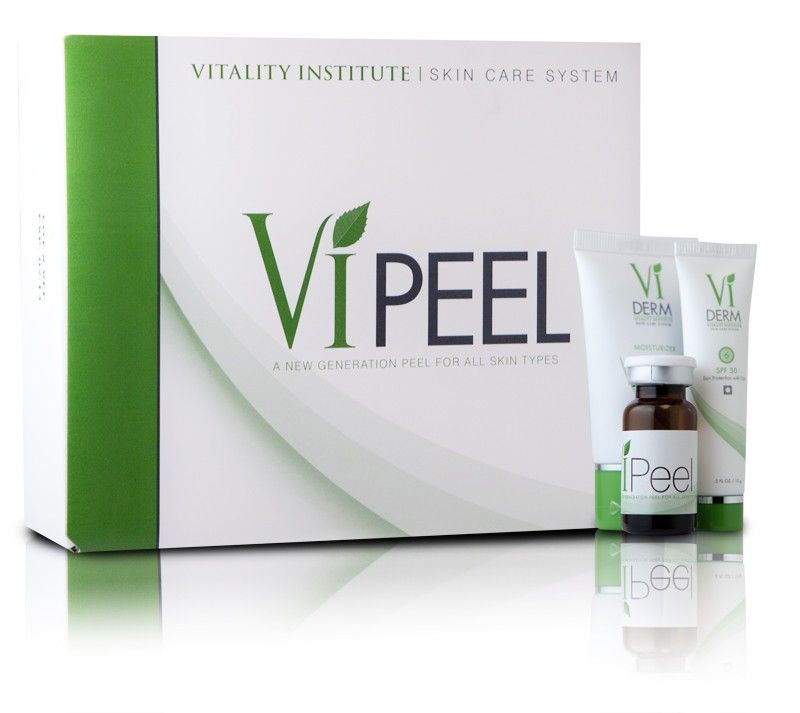
If you’re considering a collagen-stimulating peel, learn more about our Medium-Depth Chemical Peels and whether they’re appropriate for your skin concerns.
Clear + Brilliant Laser
Fractional laser treatments such as Clear + Brilliant stimulate collagen differently than microneedling or chemical peels.
Instead of using needles or acids, the laser creates thousands of microscopic treatment zones using controlled light energy. These tiny columns of thermal injury stimulate your body’s natural healing response while leaving surrounding tissue intact, allowing the skin to repair more quickly.
This process encourages fibroblasts to produce new collagen while improving uneven pigmentation, fine lines, rough texture, enlarged pores, and early signs of aging.
Clear + Brilliant is often recommended for people looking to prevent or treat early collagen loss with relatively little downtime.
Learn more about our Clear + Brilliant Laser Treatments.
4. Your Skin Needs Time to Remodel New Collagen
One of the biggest misconceptions about collagen-building treatments is that they produce immediate results.
Although treatments like microneedling, chemical peels, and fractional lasers trigger collagen production right away, your body still needs time to complete the repair process.
After fibroblasts receive the signal to begin producing collagen, they first create immature collagen fibers. These fibers are gradually reorganized, strengthened, and remodeled into healthier, more functional collagen over the following weeks and months.
This remodeling phase explains why improvements in skin firmness, wrinkles, acne scars, and texture continue long after the visible healing is complete.
Because collagen remodeling takes time, most people achieve the best results with a series of treatments combined with healthy lifestyle habits that continue supporting collagen production between appointments.
5. Protect the Collagen You Already Have
Building new collagen is only half of the equation. Protecting the collagen you already have is just as important. Every day, your skin is exposed to environmental and lifestyle factors that can accelerate collagen breakdown faster than your body can replace it.
Some of the biggest contributors to collagen loss include:
- Ultraviolet (UV) radiation
- Smoking
- Air pollution
- Chronic inflammation
- Poor sleep
- High-sugar diets
- Chronic psychological stress
Ultraviolet (UV) radiation is one of the leading causes of premature skin aging because it activates enzymes called matrix metalloproteinases (MMPs). These enzymes break down healthy collagen faster than fibroblasts can replace it. Protecting your skin from excessive UV exposure is one of the most effective ways to preserve the collagen you already have. Whenever possible, choose sun-protective clothing, wide-brimmed hats, sunglasses, and shade, and use a broad-spectrum mineral sunscreen on exposed skin when additional protection is needed. Dermatology research consistently demonstrates that chronic UV exposure accelerates collagen degradation through increased MMP activity, leading to wrinkles, skin laxity, and premature photoaging. DermNet provides an excellent evidence-based overview of this process:
Your daily habits also influence how well your body protects and repairs collagen. Eating a diet rich in colorful fruits and vegetables, high-quality protein, healthy fats, and antioxidant-rich foods helps reduce oxidative stress while supplying fibroblasts with the nutrients they need to continue producing healthy collagen. Regular exercise, restorative sleep, stress management, and avoiding tobacco products further support your skin’s natural ability to repair and maintain its collagen network.
The goal isn’t simply to stimulate new collagen—it’s to create an environment where your body can continue building, repairing, and protecting collagen throughout your life.
Do Collagen Supplements Actually Work?
Collagen supplements have become increasingly popular, but many people wonder whether they actually work.
When you consume collagen peptides, your digestive system breaks them down into smaller peptides and amino acids before absorption. These nutrients may help support your body’s natural collagen production, but they do not travel directly to your skin as intact collagen.
Current research suggests collagen supplements may modestly improve skin hydration, elasticity, and wrinkle appearance when used consistently for several months. However, supplements work best when combined with an overall healthy lifestyle and should not be viewed as a replacement for good nutrition or professional treatments.
Choosing a Quality Collagen Supplement
Not all collagen supplements are created equal. The type of collagen, peptide quality, manufacturing standards, dosage, third-party testing, and supporting ingredients can all influence a product’s quality. Before purchasing a collagen supplement, look for products from reputable manufacturers that follow Good Manufacturing Practices (GMP) and provide transparent ingredient information.
If you’d like help choosing a high-quality collagen supplement or other evidence-based nutritional products to support healthy skin aging, you can browse the professional-grade supplements available through our Fullscript online dispensary or schedule a Skin Consultation for personalized recommendations.
Now that you understand how your skin builds collagen, you can make informed decisions about the foods, habits, supplements, and professional treatments that truly support healthy skin.
Frequently Asked Questions
At what age does collagen production begin to decline?
Collagen production gradually begins slowing in your mid-to-late 20s. This decline becomes more noticeable during your 30s and 40s and accelerates after menopause because of hormonal changes.
How does your skin build collagen naturally?
You can support your body’s natural collagen production by eating enough protein, consuming vitamin C-rich foods, protecting your skin from ultraviolet damage, avoiding smoking, exercising regularly, getting adequate sleep, and managing chronic stress. Professional treatments can further stimulate collagen remodeling when appropriate.
Which treatment builds the most collagen?
There isn’t one treatment that’s best for everyone. Microneedling, fractional lasers such as Clear + Brilliant, and medium-depth chemical peels all stimulate collagen through different biological pathways. The best option depends on your skin concerns, skin type, downtime preferences, and treatment goals.
Is collagen loss reversible?
Some age-related collagen loss can be improved, but prevention remains easier than reversal. Protecting your skin from sun damage and maintaining healthy lifestyle habits while beginning collagen-stimulating treatments before significant damage develops generally produces the best long-term results.
Final Thoughts
Healthy collagen isn’t created by one cream, one supplement, or one cosmetic procedure. It’s the result of healthy fibroblasts, proper nutrition, adequate protein, essential vitamins and minerals, hormonal balance, healthy lifestyle habits, and the natural repair processes that occur within your skin every day.
Professional treatments such as microneedling, chemical peels, and Clear + Brilliant can help stimulate additional collagen production, but they work best when combined with habits that support your skin’s biology from the inside out.
Understanding how collagen is made allows you to make informed decisions about your skincare routine, nutrition, and treatment options so you can support healthier, stronger skin for years to come.
If you’d like to learn which collagen-stimulating treatments are most appropriate for your skin concerns, schedule a professional skin consultation at Celebrity Skin Scottsdale. Together, we’ll create a treatment plan designed around your skin, your goals, and the science of healthy skin aging.