
By Jennifer Swink | Celebrity Skin
Stress and skin aging go far beyond wrinkles. Chronic and even short-term stress can trigger acne, worsen hyperpigmentation, accelerate collagen loss, and contribute to inflammatory skin conditions like eczema, psoriasis, and rosacea.
At a biological level, stress affects your hormones, immune system, inflammation pathways, and your skin’s ability to heal—making it one of the most overlooked root causes of multiple skin concerns.
If your skin isn’t improving despite doing everything “right,” stress may be the missing piece.
Table of Contents
- What Is Stress and Skin Aging?
- Can Short-Term Stress Affect Your Skin?
- What Causes Stress in the Body
- The Brain–Skin Connection
- How Stress Triggers Acne
- How Stress Causes Hyperpigmentation
- Stress and Chronic Skin Conditions
- Who Is More Susceptible
- How Reducing Stress Improves Skin
- How to Reduce Stress (That Helps Skin)
- How to Treat Stress-Related Skin Issues
- FAQs
What Is Stress and Skin Aging?
Stress and skin aging refer to the internal biological processes triggered by chronic stress that accelerate visible aging and worsen skin conditions.
When stress becomes chronic, the body releases cortisol—your primary stress hormone. Your skin contains receptors for cortisol, meaning it directly responds to stress signals.
Scientific research shows that prolonged stress and elevated cortisol levels:
- Increase inflammation
- Break down collagen and elastin
- Disrupt hormonal balance
- Slow skin healing
- Weaken the skin barrier
Research on the brain–skin connection explains how stress activates the HPA axis, increasing cortisol and inflammatory signaling, which contributes to immune dysregulation and worsening skin conditions. You can review that study here: https://pmc.ncbi.nlm.nih.gov/articles/PMC4082169/
Additional research shows that stress-related hormones impair skin barrier function, increase inflammation, and alter pigmentation pathways, which contributes to conditions like acne and hyperpigmentation. That study is available here: https://pmc.ncbi.nlm.nih.gov/articles/PMC12681996/
There is also evidence that stress hormones affect collagen by altering its production and accelerating its breakdown, contributing to premature aging and wrinkles. You can read more here: https://www.sciencedirect.com/science/article/pii/S0889159109002013
Together, these changes create the perfect internal environment for acne, hyperpigmentation, inflammation, and premature aging.
Can Short-Term Stress Affect Your Skin?
Yes—even short-term stress can trigger visible skin changes.
Acute stress such as lack of sleep, travel, illness, or emotional events can quickly increase cortisol levels, leading to:
- Sudden acne breakouts
- Increased oil production
- Redness or flushing (especially in rosacea-prone skin)
- Increased sensitivity
- Dull or dehydrated skin
When these short-term stressors happen repeatedly, they begin to act like chronic stress and can lead to longer-term skin concerns.
What Causes Stress in the Body
Stress is not just emotional—it is any demand placed on the body that disrupts balance.
Emotional & Psychological Stress
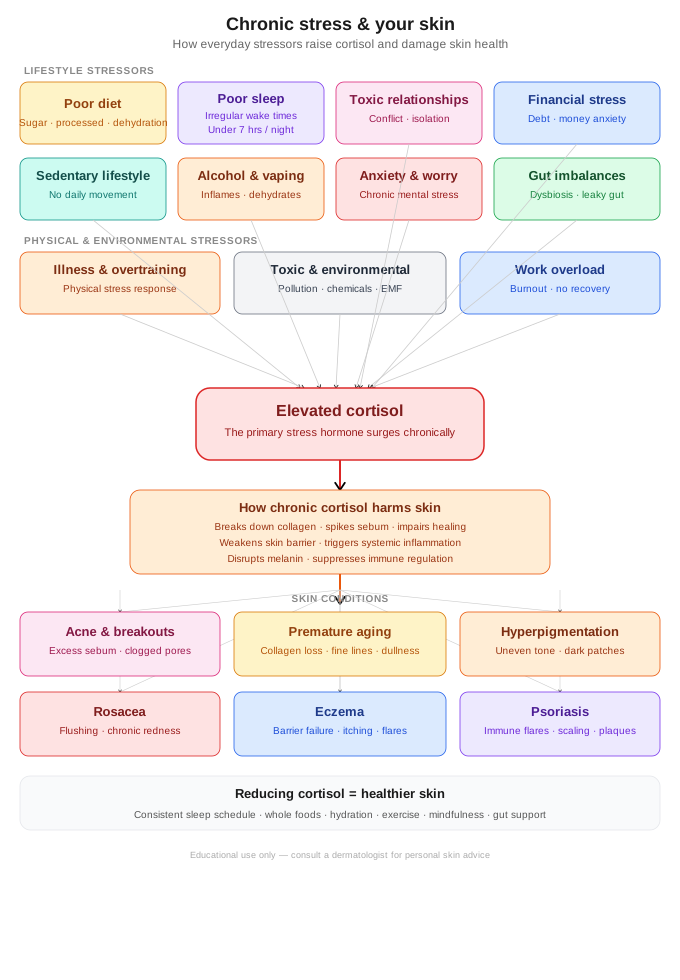
- Anxiety and chronic worry
- Work pressure or burnout
- Lack of emotional support
- Unhealthy or toxic relationships
- Social isolation
Lifestyle Stress
- Poor sleep
- Overworking without recovery
- Constant mental stimulation without downtime
Dietary & Internal Stress
- Poor diet (sugar and processed foods)
- Nutrient deficiencies (zinc, vitamin A, B vitamins)
- Blood sugar imbalance
- Dehydration
Toxic & Environmental Stress
- Pollution and chemical exposure
- Poor water quality
- UV exposure and heat
Physical Stress
- Illness or chronic health conditions
- Hormonal imbalances
- Overtraining
- Physical friction on the skin
Financial & Life Stress
- Money problems
- Major life changes
Hidden Stressors (Often Overlooked)
- Chronic low-grade inflammation
- Gut health imbalances
- Food sensitivities
- Overuse of harsh skincare
- Low-grade infections (gut, skin, or systemic)
Low-grade infections can keep the immune system activated, increasing inflammation and slowing healing—making acne, eczema, and other skin conditions more difficult to resolve.
🔑 Why This Matters for Your Skin
All of these stressors activate the same biological response:
- Increased cortisol
- Increased inflammation
- Disrupted hormones
- Slower healing
This is why stress can trigger acne, hyperpigmentation, rosacea, eczema, and premature aging at the same time.
Most people try to treat their skin from the outside only—but when these internal stressors are not addressed, skin conditions often persist or continue to come back.
The Brain–Skin Connection
Your skin and brain are directly connected through the nervous system, immune system, and hormones.
When stress is triggered:
- Cortisol increases
- Inflammatory cytokines increase
- Immune responses become dysregulated
Research confirms that stress can trigger or worsen acne, eczema, psoriasis, and other inflammatory skin conditions, as explained in this study: https://pmc.ncbi.nlm.nih.gov/articles/PMC4082169/
How Stress Triggers Acne
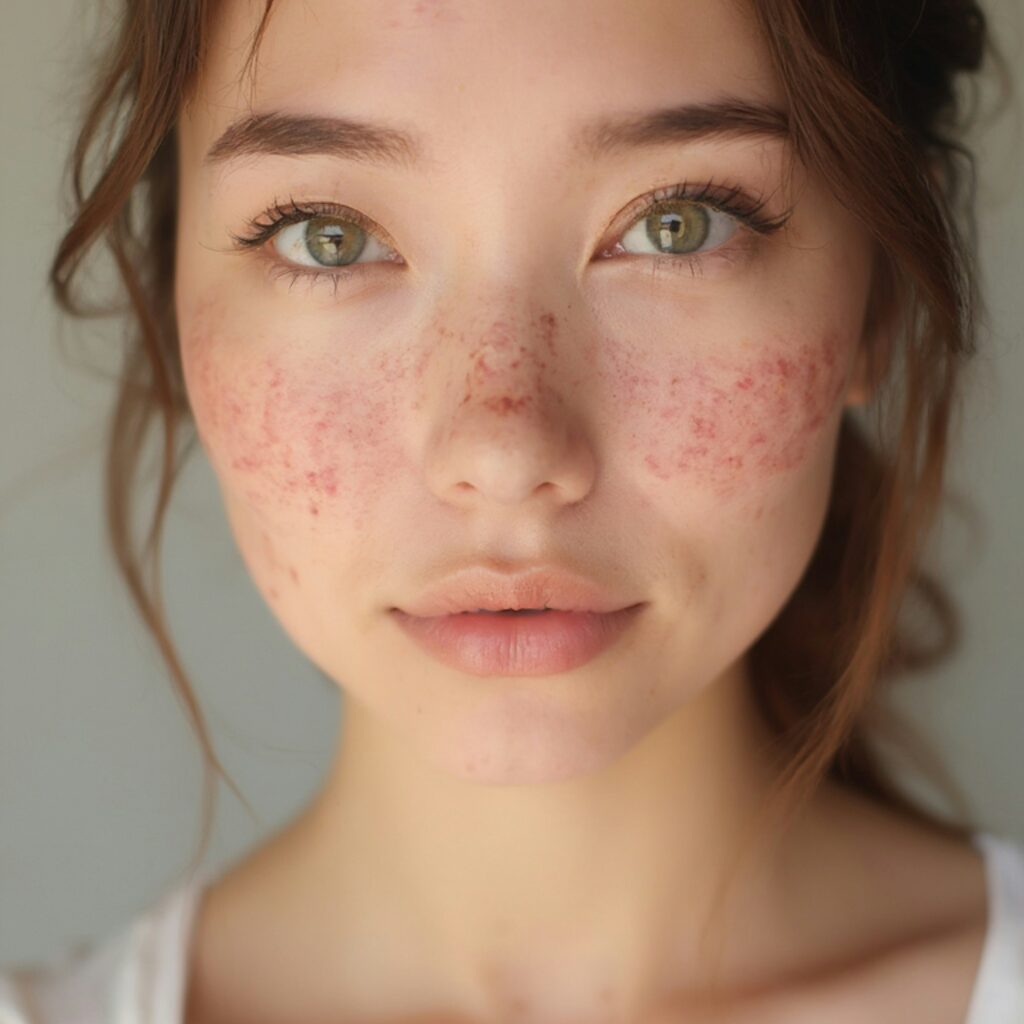
Stress increases cortisol, which stimulates oil production and inflammation in the skin.
This leads to more frequent breakouts, more inflamed acne, and slower healing.
You can learn more about acne root causes here: https://celebrityskinscottshttps://celebrityskinscottsdale.com/concern/acne/dale.com/acne-breakouts/
How Stress Causes Hyperpigmentation
Stress increases inflammation and slows healing, which can trigger post-inflammatory hyperpigmentation, worsen melasma, and lead to uneven skin tone.
Stress does not directly create pigment—but it creates the internal environment that allows pigmentation to develop and persist.
Stress and Chronic Skin Conditions
Eczema
Stress weakens the skin barrier and increases irritation.
Psoriasis
Stress increases immune activity and inflammatory responses.
Rosacea
Stress increases blood vessel reactivity, leading to flushing and redness.
Who Is More Susceptible
- Acne-prone individuals
- Those with melasma or pigmentation issues
- People with eczema, psoriasis, or rosacea
- Individuals with poor sleep or high stress lifestyles
- Those with underlying inflammation or gut imbalances
How Reducing Stress Improves Skin
Reducing stress lowers cortisol and inflammation, improves healing, and supports collagen production.
Clinical research shows that stress-reduction techniques like mindfulness can improve inflammatory skin conditions and overall skin health. One such study can be found here: https://jamanetwork.com/journals/jamadermatology/fullarticle/2804875
How to Reduce Stress (That Helps Skin)
- Meditation or mindfulness
- Breathwork
- Sleep optimization
- Balanced nutrition
- Regular exercise
These strategies directly reduce the biological triggers of skin issues.
How to Treat Stress-Related Skin Issues
Internal Support
Stress management, nutrition, and sleep are essential.
You can read more about internal skin health here: https://celebrityskinscottsdale.com/blog/beautiful-skin-inside-out/
External Support
Professional treatments and medical-grade skincare help correct visible damage.
You can learn more about aging and corrective treatments here: https://celebrityskinscottsdale.com/concern/lines-wrinkles/
Not Sure Where to Start?
If you’re dealing with acne, dark spots, or signs of aging that keep coming back, it’s often because the root causes—like stress and internal imbalance—haven’t been addressed.
At Celebrity Skin Scottsdale, we take an integrative approach that looks beyond the surface. We combine advanced treatments, professional skincare, and root-cause support to create a personalized plan for your skin.
👉 Book your New Client Skincare Consultation here: https://celebrityskinscottsdale.com
FAQ’s
Can stress cause acne even if I’ve never had acne before?
Yes. Even short-term stress can trigger breakouts in people who don’t normally struggle with acne. When cortisol rises, it increases oil production and inflammation, which can clog pores and create breakouts. This is why many people notice acne during stressful periods, even if their skin is usually clear.
Why does my acne get worse when I’m stressed, even with good skincare?
Because acne is not just a surface issue. Stress affects internal factors like hormones, inflammation, and oil production. Skincare can help manage the surface, but if the internal triggers are still active, breakouts can continue or keep coming back.
Can stress cause dark spots or make hyperpigmentation worse?
Yes. Stress increases inflammation and slows the skin’s healing process. This makes the skin more likely to develop post-inflammatory hyperpigmentation (dark marks after acne or irritation). It can also worsen melasma due to hormonal and inflammatory changes in the body.
Can stress trigger rosacea flare-ups or facial redness?
Yes. Stress is one of the most common triggers for rosacea. It increases blood vessel reactivity and inflammation, which can lead to flushing, redness, and increased sensitivity in the skin.
Does stress make eczema or psoriasis worse?
Absolutely. Stress disrupts the immune system and weakens the skin barrier, both of which play a major role in eczema and psoriasis. Many people notice flare-ups during periods of emotional or physical stress.
How quickly can stress affect my skin?
Very quickly. Some people notice changes within days, including breakouts, oiliness, redness, or sensitivity. Repeated short-term stress can turn into chronic stress, which leads to longer-term issues like pigmentation and accelerated aging.
Why do my breakouts leave dark marks when I’m stressed?
Stress slows healing and increases inflammation, which makes your skin more likely to develop post-inflammatory hyperpigmentation. This is why acne can leave darker, longer-lasting marks during stressful periods.
Can reducing stress actually improve my skin, or is that a myth?
It’s real. Reducing stress lowers cortisol and inflammation, improves healing, and supports collagen production. Over time, this can lead to clearer skin, fewer breakouts, and more even tone.
What are the biggest hidden stressors that affect skin?
Many people overlook internal stressors like poor sleep, blood sugar imbalance, nutrient deficiencies, gut health issues, and low-grade infections. These can keep the body in a constant state of stress and inflammation, making skin conditions harder to resolve.
Why do my skin problems keep coming back no matter what I try?
Because the root causes may not be addressed. Stress, inflammation, hormones, and internal imbalances can continue to trigger skin issues even when you’re using the right products or treatments.
What is the best way to treat stress-related acne, dark spots, or aging?
The most effective approach combines internal and external treatment. This includes stress management, nutrition, and sleep, along with professional treatments and targeted skincare to correct visible damage.
When should I see a professional for stress-related skin issues?
If your acne, pigmentation, or skin condition keeps coming back or isn’t improving, it’s a sign that deeper factors like stress and internal imbalance may be involved. A professional consultation can help identify those triggers and create a personalized plan.