
By Jennifer Swink | Celebrity Skin
Hydration for beautiful skin goes far beyond drinking water—it’s about how well your body absorbs, utilizes, and maintains water at the cellular level.
If your skin looks dull, inflamed, breaking out, or aging faster than it should, dehydration may be affecting your skin in ways most people don’t realize. From mineral balance to toxins, lifestyle habits, and skincare choices, true hydration for beautiful skin is a system—not a single habit.
Table of Contents
- Why Hydration for Beautiful Skin Matters
- Cellular Hydration and Skin Function
- Hydration, Detoxification, and Inflammation
- Why You Must Filter Your Water (and Add Minerals Back)
- Minerals: The Missing Link in Hydration
- 7 Hidden Effects of Dehydration on Your Skin
- Caffeine, Alcohol, and Hydration
- Hydrating Foods That Support Skin
- How Hydration Affects Acne, Aging, and Sensitive Skin
- Final Thoughts
- FAQs
Why Hydration for Beautiful Skin Matters
Hydration for beautiful skin is one of the most overlooked foundations of clear, healthy, youthful-looking skin.
Your skin reflects:
- Internal hydration levels
- Mineral and nutrient balance
- Toxic burden
- Cellular efficiency
When hydration is compromised, your skin often shows:
- Fine lines and crepey texture
- Dullness and uneven tone
- Breakouts
- Increased sensitivity
Cellular Hydration and Skin Function
Every cell in your body requires water to function efficiently.
Water supports:
- Nutrient delivery
- Waste removal
- Cellular repair
- Collagen production
👉 When cells are not properly hydrated, they cannot perform their functions optimally.
Over time, this leads to:
- Slower regeneration
- Increased inflammation
- Accelerated aging
Research shows even mild dehydration can impair normal physiological function: https://pubmed.ncbi.nlm.nih.gov/20356431/
Hydration, Detoxification, and Inflammation
Hydration for beautiful skin directly affects your body’s ability to detoxify.
Your body is constantly processing:
- Environmental toxins
- Metabolic waste
- Chemicals from food and water
Without adequate hydration, your body cannot efficiently filter and eliminate waste.
Water is essential for:
- Kidney function
- Lymphatic drainage
- Cellular detoxification
When hydration is low:
- Waste removal slows
- Toxins accumulate
- Inflammation increases
Dehydration increases inflammation and a high toxic burden increases inflammation.
This combination contributes to:
- Acne
- Dull, stressed skin
- Premature aging
Why You Must Filter Your Water (and Add Minerals Back)
Filtering your water is essential—but it’s only part of the equation when it comes to hydration for beautiful skin.
Municipal tap water is treated to make it safe for consumption, but it can still contain a variety of substances that may impact both your internal health and your skin over time. These can include chlorine, heavy metals, bacteria, and trace pharmaceutical residues.
👉 Research has shown that drinking water can contain disinfection byproducts and other contaminants that contribute to oxidative stress and overall toxic burden in the body.
https://www.ncbi.nlm.nih.gov/pmc/articles/PMC6141690/
Chlorine, in particular, is widely used to kill bacteria—but it can also have unintended effects on the skin.
Regular exposure to chlorine—especially through showering—can:
- Strip the skin’s natural oils
- Disrupt the skin barrier
- Increase dryness, irritation, and sensitivity
Over time, this can weaken your skin’s ability to retain moisture, making hydration for beautiful skin even harder to maintain.
Another major concern is the amout of microplastics that have been found in both tap and bottled water and may contribute to overall toxic burden:
https://www.ncbi.nlm.nih.gov/pmc/articles/PMC7068600/
👉 This is why filtering your water—both for drinking and for shower use—is an important step in reducing unnecessary exposure to irritants and supporting overall skin health.
However, filtration alone is not enough.
Most filtration systems, especially reverse osmosis, remove not only contaminants but also beneficial minerals that are essential for proper hydration at the cellular level.
👉 The most effective approach is to filter out harmful substances while restoring the minerals your body needs to actually absorb and utilize water efficiently.
Minerals: The Missing Link in Hydration for Beautiful Skin
Hydration for beautiful skin is not just about how much water you drink—it’s about how effectively that water is absorbed, distributed, and utilized at the cellular level.
And this is where minerals come in.
Water alone cannot efficiently enter and hydrate your cells without the presence of electrolytes. Minerals such as sodium, potassium, magnesium, and calcium help regulate fluid balance and control the movement of water in and out of cells through osmotic gradients and cellular signaling.
👉 These minerals act as the “transport system” that allows water to move where it’s needed most—and stay there.
Without adequate mineral support:
- Water may not be properly absorbed into the cell
- Hydration remains superficial rather than intracellular
- Cellular processes—including repair and regeneration—begin to slow down
This means you can be drinking plenty of water and still experience signs of dehydration—especially in your skin.
👉 True hydration for beautiful skin happens inside the cell—not just on the surface.
Why This Matters for Your Skin
When cells are properly hydrated:
- Nutrients are delivered more efficiently
- Waste is removed more effectively
- Collagen production is better supported
- The skin appears plumper, smoother, and more radiant
When mineral balance is off, even slight dehydration at the cellular level can contribute to:
- Dull, flat-looking skin
- Fine lines and loss of elasticity
- Increased sensitivity and inflammation
- Slower healing and longer-lasting breakouts
Trace Minerals and Natural Water
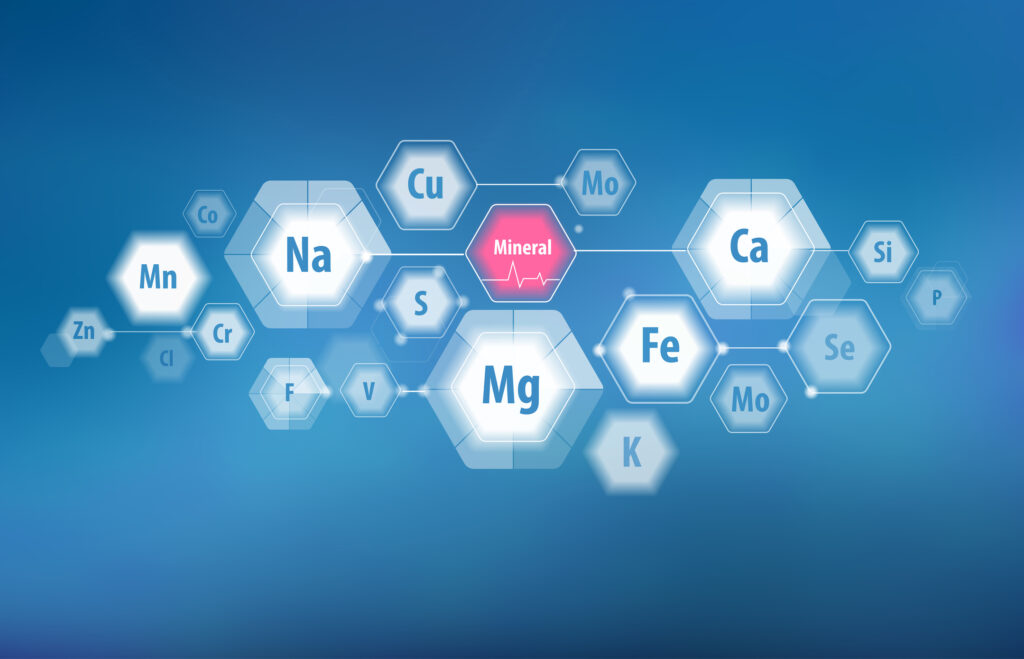
In nature, water is never just H₂O.
Natural water sources contain a broad spectrum of trace minerals in very small amounts. While the exact number varies, these trace elements support:
- Enzyme activity
- Cellular communication
- Fluid balance and hydration efficiency
👉 These trace minerals help optimize how your body uses water—not just how much you consume.
This is one reason why many people feel more hydrated when drinking mineral-rich or spring water compared to highly purified water.
The Problem with Over-Purified Water
When water is stripped of its mineral content—as it often is with reverse osmosis or highly purified systems—it becomes less effective at supporting true hydration for beautiful skin.
While filtration is essential for removing contaminants, removing minerals without replacing them can reduce how efficiently your body is able to:
- Absorb water into cells
- Maintain electrolyte balance
- Support proper hydration at a cellular level
The Goal: Balance, Not Extremes
For optimal hydration for beautiful skin, the goal is not just more water—it’s better water.
✔ Remove contaminants through proper filtration
✔ Restore essential minerals to support cellular absorption
👉 When minerals and water are balanced, hydration happens at the cellular level—and that’s when you start to see real changes in your skin.
7 Hidden Effects of Dehydration on Your Skin
Hydration for beautiful skin affects far more than dryness. When your body and skin are not properly hydrated at a cellular level, multiple processes begin to slow down or become inefficient—leading to visible changes in how your skin looks and behaves.
1. Increased Fine Lines and Premature Aging
One of the earliest signs of dehydration is a loss of skin plumpness.
When hydration is low:
- Skin loses volume and elasticity
- Fine lines become more noticeable
- The skin appears thinner and less resilient
👉 Over time, chronic dehydration combined with inflammation can contribute to accelerated collagen breakdown, making signs of aging appear earlier and more pronounced.
2. Dull, Flat-Looking Skin
Hydrated skin reflects light better, giving it that healthy glow.
When skin is dehydrated:
- Circulation and nutrient delivery are less efficient
- Dead skin cells accumulate on the surface
- The skin appears dull, tired, and uneven
👉 Without proper hydration, your skin loses its natural radiance and vitality.
3. Impaired Detoxification
Hydration plays a key role in your body’s ability to remove waste at both a systemic and cellular level.
When hydration is insufficient:
- Waste products are not efficiently eliminated
- Toxins can accumulate
- Inflammation increases
👉 This internal stress often shows up on the skin as congestion, dullness, and a lack of clarity.
4. Increased Breakouts
Dehydration can disrupt the skin barrier and trigger imbalances that contribute to acne.
When skin is dehydrated:
- Oil production may increase to compensate
- Dead skin cells are not shed efficiently
- Pores are more likely to become clogged
👉 Combined with inflammation, this creates an environment where breakouts are more likely to occur—and take longer to heal.
5. Increased Sensitivity and Irritation
Dehydrated skin is more vulnerable to external stressors.
When the skin lacks adequate hydration:
- The barrier becomes weakened
- Irritants penetrate more easily
- Redness and reactivity increase
👉 Many people who think they have “sensitive skin” are actually dealing with dehydrated, barrier-impaired skin.
6. Slower Skin Repair and Healing
Water is essential for cellular repair and regeneration.
When hydration is low:
- Skin turnover slows down
- Healing from breakouts or treatments takes longer
- The skin is less able to recover from damage
👉 This can lead to lingering acne, prolonged redness, and slower overall skin improvement.
7. Weakened Skin Barrier
The skin barrier is responsible for retaining moisture and protecting against environmental damage.
Dehydration weakens this barrier by:
- Reducing its ability to hold moisture
- Increasing transepidermal water loss (TEWL)
- Making the skin more susceptible to irritation and inflammation
👉 Once the barrier is compromised, it becomes much harder to maintain hydration for beautiful skin—creating a cycle of dryness, sensitivity, and ongoing skin issues.
👉 Over time, chronic dehydration combined with inflammation can contribute to accelerated collagen breakdown, making signs of aging appear earlier and more pronounced.
These effects don’t happen in isolation—they often overlap and compound each other, which is why dehydration can impact your skin in multiple ways at the same time.
Caffeine and Hydration
Caffeine is often blamed for dehydration, but the reality is more nuanced.
According to the Mayo Clinic, moderate caffeine intake does not significantly dehydrate most people and can still contribute to daily fluid intake.
However, caffeine can still impact hydration depending on intake and individual response.
“Caffeine has a mild diuretic effect, increasing urine output and fluid loss. At higher intakes, this can contribute to greater water loss—particularly if hydration is not maintained.”
https://www.ncbi.nlm.nih.gov/pmc/articles/PMC4725310/
Excessive caffeine may:
- Increase fluid loss through urination, which can lead to a net loss of water
- Disrupt sleep, which affects skin repair and hydration
- Contribute to dehydration indirectly over time
👉 The key is not just caffeine itself, but how much you consume and how your body responds.
Alcohol and Hydration
Alcohol is a true dehydrator because it directly affects how your body regulates fluid balance.

👉 Alcohol acts as a diuretic by increasing urine production, which leads to greater fluid loss and can contribute to dehydration.
https://www.ncbi.nlm.nih.gov/pmc/articles/PMC12594054/
This occurs because alcohol suppresses antidiuretic hormone (ADH), signaling the kidneys to release more water than normal.
But dehydration is only part of the story.
Alcohol can also interfere with nutrient absorption, utilization, and storage—impacting nutrients that are critical for healthy skin, collagen production, and pigment regulation.
Research shows alcohol consumption is associated with increased oxidative stress and nutrient imbalances:
https://www.ncbi.nlm.nih.gov/pmc/articles/PMC10494618/
👉 Nutrients commonly affected include:
- B Vitamins (especially B2, B6, B12, and folate): essential for cellular repair, energy production, and skin regeneration
- Zinc: supports wound healing, immune function, and acne regulation
- Magnesium: involved in hundreds of enzymatic processes, including those that support skin function and stress response
- Vitamin C: critical for collagen synthesis and antioxidant protection
- Electrolytes (sodium, potassium): necessary for proper hydration at the cellular level
👉 When these nutrients are compromised, it can lead to:
- Slower skin repair
- Increased inflammation
- Impaired collagen production
- Worsening of acne and uneven pigmentation
👉 Because hydration and nutrient balance are both essential for cellular function, repeated alcohol consumption can compound dehydration, increase inflammation, and accelerate visible skin aging over time.
Hydrating Foods That Support Skin
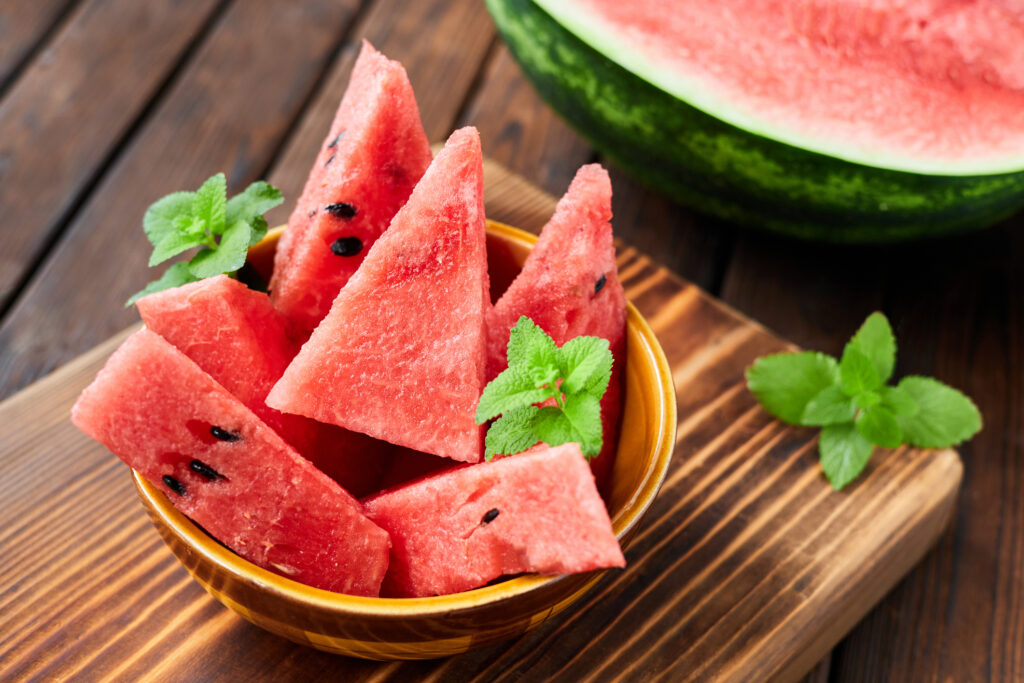
Hydration for beautiful skin also comes from your diet.
Fresh fruits and vegetables provide:
- Water
- Electrolytes
- Vitamins
- Antioxidants
Examples include:
- Cucumbers
- Watermelon
- Citrus
- Leafy greens
👉 These support hydration more effectively than water alone.
How Hydration Affects Acne, Aging, and Sensitive Skin
Hydration for beautiful skin plays a direct role in how your skin behaves, heals, and ages.
Acne and Breakouts
When skin is dehydrated:
- The barrier becomes compromised
- Inflammation increases
- Oil production may increase to compensate
- Dead skin cells don’t shed properly
👉 This creates clogged pores and breakouts.
Dehydration also slows healing, meaning acne can last longer and leave behind pigmentation.
👉 Learn more:
https://celebrityskinscottsdale.com/acne-breakouts/
Aging and Fine Lines
Dehydration is one of the earliest contributors to visible aging.
When hydration is low:
- Skin loses plumpness and elasticity
- Fine lines become more noticeable
- Collagen production becomes less efficient
👉 Chronic dehydration + inflammation accelerates collagen breakdown.
👉 Learn more:
https://celebrityskinscottsdale.com/fine-lines-wrinkles/
Sensitive and Reactive Skin
Dehydrated skin is more vulnerable and reactive.
When the barrier is compromised:
- Irritants penetrate more easily
- Redness increases
- Skin becomes reactive to products
Many cases of “sensitive skin” are actually dehydrated skin. Restoring hydration helps strengthen the barrier and reduce reactivity.
👉 Learn more:
https://celebrityskinscottsdale.com/sensitive-skin/
Final Thoughts
Hydration for beautiful skin is not just about drinking water.
It’s about:
- Cellular function
- Mineral balance
- Detoxification
- Lifestyle habits
- Proper skincare
When these are aligned, your skin functions—and looks—its best.
FAQs
Does drinking more water fix dehydrated skin?
Not always. Hydration depends on minerals, hormones, and barrier health.
Does caffeine dehydrate your skin?
Not significantly in moderate amounts, but excessive intake can contribute to dehydration.
Why is my skin dry even when I drink water?
You may be lacking minerals, overusing harsh skincare, or dealing with environmental or hormonal factors.
Is filtered water better for hydration?
Yes—but it should ideally include minerals for proper cellular hydration.
Do fruits and vegetables help hydrate skin?
Yes. They provide water, electrolytes, and nutrients that improve hydration for beautiful skin.
Ready for Better Skin?
If your skin still feels dry, reactive, or not improving…
👉 Book your new client skincare consultation:
https://celebrityskinscottsdale.com