
By Jennifer Swink | Celebrity Skin
Clear, healthy skin starts from the inside out—not just from what you apply on the surface. Acne, inflammation, and visible aging are influenced by diet, hormones, stress, and lifestyle habits. When you address these internal factors alongside professional skincare, you can achieve clearer, stronger, and more resilient skin long-term.
Table of Contents
- Table of Contents
- Why Skin Issues Are Not Just Surface-Level
- The Role of Genetics vs Lifestyle
- How Nutrition Impacts Skin Health
- The Diet–Hormone–Inflammation Connection
- Blood Sugar & Insulin: The Acne Trigger Most People Miss
- Hormonal Disruption: How Diet Affects Breakouts & Pigmentation
- Gut Health & Inflammation: The Skin Connection
- Inflammation & Collagen Breakdown (Aging Accelerator)
- How Fast Can Skin Actually Improve?
- 6 Foundational Habits for Better Skin
- When Skincare Treatments Matter Most
- FAQs
- Start Your Personalized Skin Plan
Why Skin Issues Are Not Just “Surface Problems”
When you look in the mirror and notice acne, dark spots, fine lines, wrinkles, or dull skin, it’s easy to assume the problem is purely external.
In reality, your skin is a reflection of what’s happening internally.
Concerns like:
- Breakouts
- Hyperpigmentation
- Premature aging
- Loss of firmness
are often influenced by deeper factors such as inflammation, hormone imbalance, blood sugar dysregulation, and nutrient deficiencies—not just skincare products.
👉 Learn more about underlying causes on our Acne Skin Conditions Page
👉 Explore how internal factors drive aging on our Aging Skin Conditions Page
The Role of Genetics vs Lifestyle
Genetics determine your baseline—but they do not determine your outcome.
Your daily habits influence:
- How quickly collagen breaks down
- How much inflammation is present in the body
- How well your skin repairs itself
- How your hormones behave
This is why two people with similar genetics can age very differently.
Clinical treatments and skincare products help—but without addressing internal drivers, results are often temporary.
How skin From the inside out affects acne and aging
Your skin depends on nutrients to:
- Repair tissue
- Regulate inflammation
- Balance oil production
- Protect against oxidative damage
A diet high in processed foods, sugar, and additives can:
- Disrupt hormones
- Increase inflammation
- Damage collagen
- Slow healing
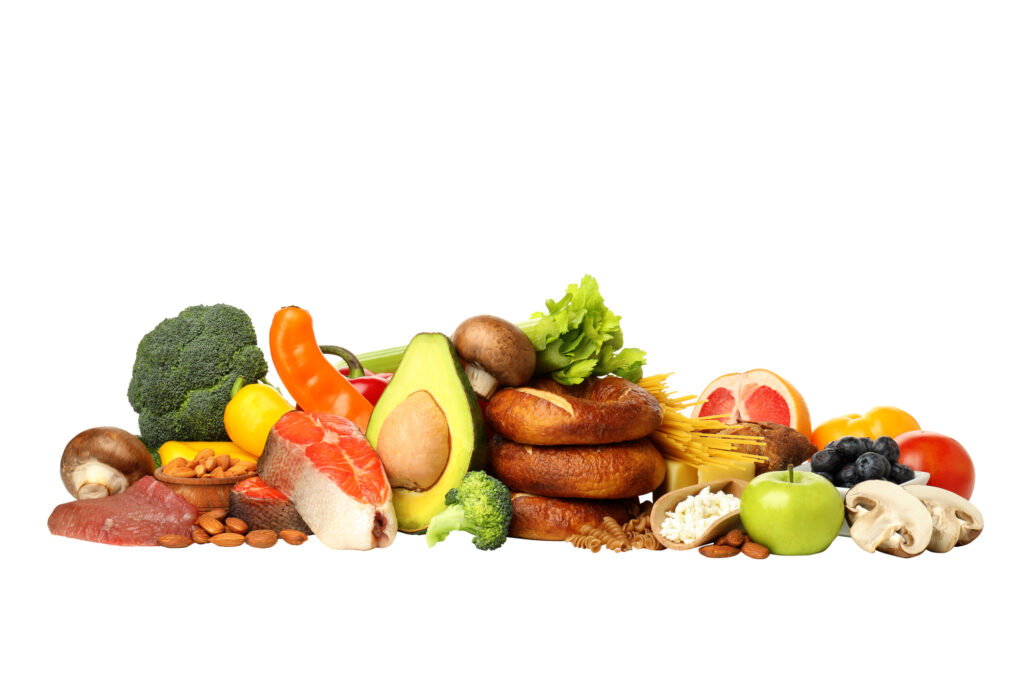
On the other hand, whole foods support healthier, more resilient skin over time. Nutrition is one of the biggest foundations of health skin from the inside out because it influences inflammation, hormones, and repair.
The Diet–Hormone–Inflammation Connection
What you eat does not just “affect” your skin—it actively drives the internal processes that determine whether your skin stays clear, calm, and youthful… or becomes inflamed, reactive, and prone to breakouts and premature aging. This is why clear smooth skin from the inside out approach looks beyond products and considers blood sugar, insulin, gut health, and inflammation.
These changes happen through a cascade of biological events:
Poor diet → blood sugar spikes → insulin imbalance → hormone disruption → increased oil production → clogged pores → acne + inflammation
Processed foods → gut imbalance → increased intestinal permeability → systemic inflammation → impaired detoxification → pigmentation + accelerated aging
But let’s break down what’s actually happening inside the body.
1. Blood Sugar & Insulin: The Acne Trigger Most People Miss
When you eat high-sugar or highly processed carbohydrates, your blood sugar rises quickly. In response, your body releases insulin, a hormone that:

- Stimulates oil (sebum) production
- Increases androgen activity (like testosterone)
- Promotes inflammation
This combination creates the perfect environment for acne:
- More oil
- Faster skin cell buildup
- Increased pore congestion
Over time, repeated blood sugar spikes can lead to insulin resistance, which keeps inflammation and breakouts ongoing—not occasional.
2. Hormonal Disruption: Why Diet Affects Breakouts and Aging
Hormones don’t operate in isolation—they respond directly to what you eat.
A poor diet can:
- Increase androgens → more oil + acne
- Disrupt estrogen balance → pigmentation + melasma
- Elevate cortisol (stress hormone) → inflammation + collagen breakdown
A review published in Dermato-Endocrinology explains how diet influences acne, inflammation, and hormone activity:
👉 https://www.ncbi.nlm.nih.gov/pmc/articles/PMC2836431/
This is why many people experience:
- Adult acne
- Hormonal breakouts
- Stubborn pigmentation that keeps returning
Even if they are using “good” skincare.
3. Gut Health & Inflammation: The Skin Connection
Your gut plays a major role in regulating inflammation and immune function.
A diet high in processed foods, additives, and low fiber can:
- Disrupt the gut microbiome
- Increase intestinal permeability (“leaky gut”)
- Allow inflammatory compounds to enter the bloodstream
This leads to systemic inflammation, which shows up in the skin as:
- Acne
- Redness and sensitivity
- Uneven pigmentation
- Slower healing
4. Inflammation & Collagen Breakdown (Aging Accelerator)
Chronic, low-grade inflammation—often driven by diet and lifestyle—directly impacts how your skin ages.
Inflammation:
- Breaks down collagen and elastin
- Slows skin repair
- Increases oxidative stress
- Contributes to fine lines, wrinkles, and skin laxity
Chronic inflammation triggers the release of inflammatory cytokines that activate matrix metalloproteinases (MMPs)—enzymes responsible for degrading collagen and elastin in the skin. This process weakens the skin’s structure and accelerates visible aging.
Research supports this connection, showing that inflammation directly contributes to collagen breakdown and premature skin aging:
👉 https://pmc.ncbi.nlm.nih.gov/articles/PMC11845971/
This is one of the biggest reasons why some people age faster than others—even with similar genetics.
A review published in Dermato-Endocrinology explains how diet influences acne, inflammation, and hormone activity:
👉 https://www.ncbi.nlm.nih.gov/pmc/articles/PMC2836431/
Why Skin From The Inside Out Matters for long term results
If these internal factors are not addressed, you may notice:
- Acne that keeps coming back
- Pigmentation that doesn’t fully clear
- Faster visible aging despite treatments
This is why treating the skin from the outside alone often leads to temporary results.
The Takeaway
Clear, healthy skin is not just about what you apply—it’s about what you consistently do.
When you:
- Stabilize blood sugar
- Support hormone balance
- Reduce inflammation
- Improve gut health
You create an internal environment where your skin can actually heal, regenerate, and maintain results long-term.
How Fast Can Skin Actually Improve?
Skin renews itself approximately every 4–6 weeks, but acne improvement doesn’t happen overnight—it depends on how consistently you address both internal and external factors. When you support skin from the inside out consistently, acne may begin improving within weeks, but stable results usually take 8–12 weeks or longer.
Realistic Timeline for Acne Improvement
- Weeks 2–4:
Inflammation may begin to decrease. Active breakouts can become less severe, and skin may feel less congested—especially when triggers like high sugar intake, poor skincare products, or barrier disruption are addressed. - Weeks 4–8 (1–2 skin cycles):
You may start to see fewer new breakouts, faster healing, and improved overall skin clarity. Oil production often begins to regulate as internal factors like diet and hormones stabilize. - 8–12 Weeks:
More consistent improvement in acne, tone, and texture. Post-acne marks may begin to fade, and skin starts to look more balanced and resilient. - 3–6 Months:
Significant improvement is possible with the right approach. Breakouts are more controlled, inflammation is reduced, and long-term skin health is noticeably improved.
What Determines How Fast Your Skin Improves
Results vary based on:
- What’s driving your acne (hormones, diet, stress, gut health)
- Your willingness to make lifestyle changes (this is a big one)
- Consistency with skincare and treatments
- Whether triggers are fully removed or still ongoing
The Reality Most People Don’t Hear
You can’t out-treat ongoing triggers.
If internal causes like blood sugar imbalance, chronic stress, or poor diet are still present, results will be slower—and acne may continue to come back.
The Takeaway
Acne can start improving within weeks—but lasting, stable results typically take 2–3 skin cycles (8–12 weeks) or longer depending on the severity and underlying causes.
Each cycle of skin becomes a healthier, stronger version when the right conditions are in place.
6 Foundational Habits for Better Skin
1. Eat a Whole Foods Diet
Focus on:
- Vegetables and fruits (antioxidants)
- Healthy fats (omega-3s)
- Clean protein sources
- Fiber-rich foods
Limit:
- Sugar
- Dairy (if acne-prone)
- Alcohol
- Highly processed foods
2. Improve Meal Timing
Avoid eating within 3 hours of bedtime.
Late eating can:
- Disrupt sleep
- Impair cellular repair
- Affect hormone balance
Try an 8–10 hour eating window to support metabolic and skin health.
3. Stay Hydrated
Water supports:
- Detoxification
- Circulation
- Nutrient delivery to skin
Consider adding trace minerals for better absorption.
4. Manage Stress
Chronic stress increases cortisol, which can:
- Increase inflammation
- Worsen acne
- Break down collagen
Daily stress management is not optional for healthy skin—it’s essential.
5. Prioritize Sleep
Aim for 7–8 hours per night.
During sleep, your body:
- Repairs skin
- Regulates hormones
- Reduces inflammation
Poor sleep = slower healing + faster aging.
6. Exercise Consistently
Exercise helps:
- Improve circulation
- Reduce insulin resistance
- Lower stress hormones
All of which directly impact skin clarity and aging.
When Skincare Treatments Matter Most
Internal changes create the foundation—but professional treatments accelerate results.
When combined, you get:
- Faster improvement
- Better texture and tone
- Longer-lasting results
Explore treatment options:
- Microneedling with Exosomes
- Chemical Peels
- Clear + Brilliant Laser
👉 Start with a New Client Skin Care Consultation:
https://celebrityskinscottsdale.com/new-client-consultation-treatments/
Professional treatments and a personalized plan work best when they are paired with a skin from the inside out plan.
FAQs
Can diet really improve acne and aging?
Yes. Diet affects hormones, inflammation, and blood sugar—all of which directly influence acne and skin aging.
How long does it take to see results?
Most people begin to notice changes within 4–8 weeks, depending on consistency and how many lifestyle factors are addressed.
Do I still need skincare products?
Yes—but they work best when combined with internal support. Products alone cannot fully correct internal imbalances.
Can lifestyle changes replace treatments?
Not completely. Lifestyle improves skin health, while treatments target deeper correction and faster visible results.
Is inflammation really the root cause of skin aging?
Inflammation is one of the biggest drivers of collagen breakdown, pigmentation, and premature aging.
Start Your Personalized Skin Plan
If you’re tired of temporary fixes and want real, lasting results, it starts with understanding your skin from the inside out.
You don’t have to figure it out on your own.
We take an integrative approach—addressing both internal and external causes for the best possible results.👉 Book your New Client Skin Care Consultation: