
By Jennifer Swink | Celebrity Skin
How often should you get a facial? For most people, every 4–6 weeks is a good general guideline for maintaining healthy skin, although the ideal schedule depends on your age, skin condition, treatment goals, and what is actually included in the facial. Acne treatments may sometimes be performed weekly or every other week, while facials that include stronger exfoliation may need to be spaced farther apart.
The term “facial” is actually very broad. A professional facial may include cleansing, exfoliation, extractions, hydration, masks, enzymes, dermaplaning, microdermabrasion, LED light therapy, oxygenation, or even a light chemical peel. Some facials are primarily hydrating and restorative, while others provide considerably more exfoliation or corrective treatment.
This is also why procedures such as microneedling and laser treatments shouldn’t simply be lumped into the facial category. They are professional skin treatments with their own treatment protocols and recovery requirements. Microneedling, for example, is commonly performed approximately every 4–6 weeks when done as a series, but that doesn’t make it a facial.
So when deciding how often you should get a facial, the more important question is: What is being done to your skin during that appointment?
Why Get Professional Facials in the First Place?
Your skin is your body’s largest organ and serves as your first line of protection from the outside environment. Yet it is often overlooked when we think about routine care and maintenance. Research describes the skin as the body’s largest organ and an important protective barrier.
Think about how much attention we give our hair and fingernails. We regularly cut, color, condition, style, manicure, and professionally maintain them—even though the visible hair shaft and nail plate are primarily composed of dead, keratinized cells.
Meanwhile, many people wait until they develop acne, pigmentation, rough texture, dryness, or visible signs of aging before giving their living skin the same attention.
You don’t need to have a skin problem to take care of your skin.
Regular professional facials can provide exfoliation, hydration, extractions when needed, and treatments selected for your individual skin. They also give your skincare professional an opportunity to adjust your treatments and home care as your skin changes with age, seasons, lifestyle, and other factors.
Why Are Facials Usually Recommended Every 4–6 Weeks?
The traditional 4–6 week recommendation isn’t completely arbitrary. It relates, in part, to the way our epidermis continually renews itself.
New epidermal cells form in the deeper layers of the epidermis and gradually move toward the surface. As they mature, they eventually become part of the stratum corneum—the outermost layer of the skin—and are naturally shed through a process called desquamation.
This process changes as we get older.
A human study examining age-associated changes in epidermal cell renewal found that stratum corneum transit time was approximately 20 days in young adults but more than 10 days longer in older adults. The researchers also found that epidermal renewal remained relatively stable during younger adulthood and then declined more significantly after about age 50.
That doesn’t mean you literally wake up with an entirely “new set of skin” every 4–6 weeks. Skin renewal is a continuous process, and its rate varies from person to person.
But it does help explain why younger skin often sheds dead surface cells more efficiently and why older skin can begin to look rougher, duller, and drier.
Professional exfoliation helps remove accumulated surface cells and supports the skin’s natural renewal process—which is one reason the 4–6 week facial schedule makes sense for many people.
Hydration Helps Your Skin Naturally Shed Dead Cells
Exfoliation isn’t the only part of this process. Water and lipids within the outer layers of your skin also help it naturally shed dead surface cells.
Research on skin hydration and desquamation has shown that water content influences the activity of enzymes involved in releasing dead surface skin cells. When the stratum corneum doesn’t contain enough water, this natural shedding process can become less efficient.
And age isn’t the only thing that can affect this process—your environment can, too. Living in an arid, low-humidity climate like Scottsdale can contribute to dehydration of the outer layers of the skin, even in younger people. Research has shown that lower humidity can reduce water content in the stratum corneum and slow normal desquamation, allowing dead surface cells to accumulate rather than shedding as efficiently. This can contribute to skin that looks or feels dry, rough, flaky, or dull, even if age-related slowing of skin renewal isn’t yet a major factor.
This isn’t limited to hot weather. During the winter, spending more time indoors with heating can also reduce humidity and contribute to skin dehydration. When the outer layers of the skin don’t contain enough water, normal shedding can become less efficient, allowing dead surface cells to accumulate and leaving the skin feeling dry, rough, flaky, or dull.
As we get older, skin tends to become drier as well, so age and a dry environment can compound the problem.
This is one reason professional exfoliation can be especially helpful—not only as we age, but also for those of us living in a desert climate.
But exfoliation and hydration should work together. Aggressively stripping dry skin isn’t the goal. Removing excess surface buildup while maintaining a healthy, hydrated skin barrier is.
So, How Often Should You Get a Facial?
For general skin maintenance, approximately every 4–6 weeks is a reasonable schedule for many people.
But remember: not every facial is the same.
A gentle hydrating facial with an enzyme is different from a treatment that includes microdermabrasion or dermaplaning. Those are different from a facial incorporating a chemical peel, and even chemical peels vary significantly in strength and depth.
That’s why I look at what we’re doing to the skin, rather than simply counting the number of weeks since your last appointment.
Someone with healthy skin who wants ongoing exfoliation, hydration, and maintenance may do very well with a facial every 4–6 weeks.
Someone actively treating acne may temporarily need appointments closer together.
Someone who has received a more aggressive treatment may need considerably more recovery time.
If you’re not sure what type of professional treatment your skin needs, read How Do I Know Which Skin Treatment Is Right for Me?, where I explain how different skin concerns require different approaches.
How Often Should You Get a Facial for Acne?
Acne is one situation where I may recommend professional treatments more frequently than every 4–6 weeks.
Depending on the type and severity of acne and what is included in the treatment, some acne clients may initially benefit from treatments weekly or every two weeks.
These appointments may include appropriate exfoliation, professional extractions, chemical peels, LED light therapy, or other treatments selected for the client’s particular type of acne.
There is clinical research supporting shorter treatment intervals for certain acne protocols. For example, a randomized clinical trial examining chemical peels for comedonal acne used six peel treatments performed at two-week intervals.
That doesn’t necessarily mean everyone with acne should receive a chemical peel every two weeks. It demonstrates why the condition being treated and the treatment being performed matter when determining facial frequency.
As acne improves, appointments can generally be spaced farther apart and eventually transitioned into a maintenance schedule.
Learn more about Acne Treatments in Scottsdale.
Does the Type of Facial Change How Often You Should Get One?
Absolutely.
A facial that includes cleansing, hydration, LED light therapy, oxygenation, or gentle exfoliation doesn’t require the same recovery period as more aggressive exfoliation.
Even chemical peels are not all alike.
A very superficial or light chemical peel may be incorporated into a facial and repeated relatively frequently when appropriate. A stronger or deeper peel creates more controlled injury and requires more time for the skin to heal and recover.
Clinical guidelines for chemical peels emphasize that peel depth, the condition being treated, and the individual’s skin all influence how treatments should be performed and repeated.
This is why more aggressive doesn’t automatically mean better.
The goal is to provide enough exfoliation or stimulation to accomplish what we’re trying to do without unnecessarily irritating or over-treating the skin.
Do Microneedling, Laser Treatments or Botox Replace Facials?
Not necessarily. Treatments such as microneedling, laser procedures, and injectables may be needed to address concerns such as acne scarring, deeper pigmentation, collagen loss, or wrinkles, but they serve a different purpose than routine professional skincare.
A customized facial can also address many of these concerns on a more basic level through chemical peels, enzymes, microdermabrasion, dermaplaning, LED light therapy, hydration, and other modalities, depending on what your skin needs.
Think of facials as ongoing skin maintenance with corrective benefits, while treatments such as microneedling and laser can provide more targeted correction when needed. Botox works differently still—it addresses muscle activity and expression lines rather than the health and condition of the skin itself.
You may need both. Corrective treatments can address specific concerns, while appropriately timed facials between them can help maintain exfoliation, hydration, clear pores, and overall skin health.
How Often Should You Get a Facial If You Have Darker Skin?
For routine professional facials, the general recommendation is largely the same regardless of skin color. Darker skin does not automatically need facials less frequently.
Where I become more conservative is with stronger exfoliation, deeper chemical peels, and other treatments that create more inflammation.
Darker and melanin-rich skin has a greater tendency to develop post-inflammatory hyperpigmentation (PIH) following inflammation or injury. This is why treatment strength, skin preparation, recovery, and spacing between more aggressive treatments are especially important.
Superficial and progressive chemical peels can be safely performed on darker skin when the peel and client are appropriately selected. As treatments become deeper or more aggressive, however, I become increasingly cautious about both treatment intensity and frequency.
In my practice, I will often allow 6–8 weeks or longer after a stronger or deeper peel in darker skin, depending on the treatment and how completely the skin has recovered.
The 6–8 week interval is my clinical approach to deeper more aggressive chemical peels rather than a universal rule with all darker skinned individuals. The principle is more important: don’t over-treat the skin and create unnecessary inflammation that could trigger the very hyperpigmentation we’re trying to prevent or correct.
For more information, read Can People With Dark Skin Get Chemical Peels?.
What Should You Do Between Professional Facials?
What you do during the weeks between appointments is just as important as how often you get a facial.
Gentle, consistent at-home exfoliation can help maintain healthy skin between professional treatments.
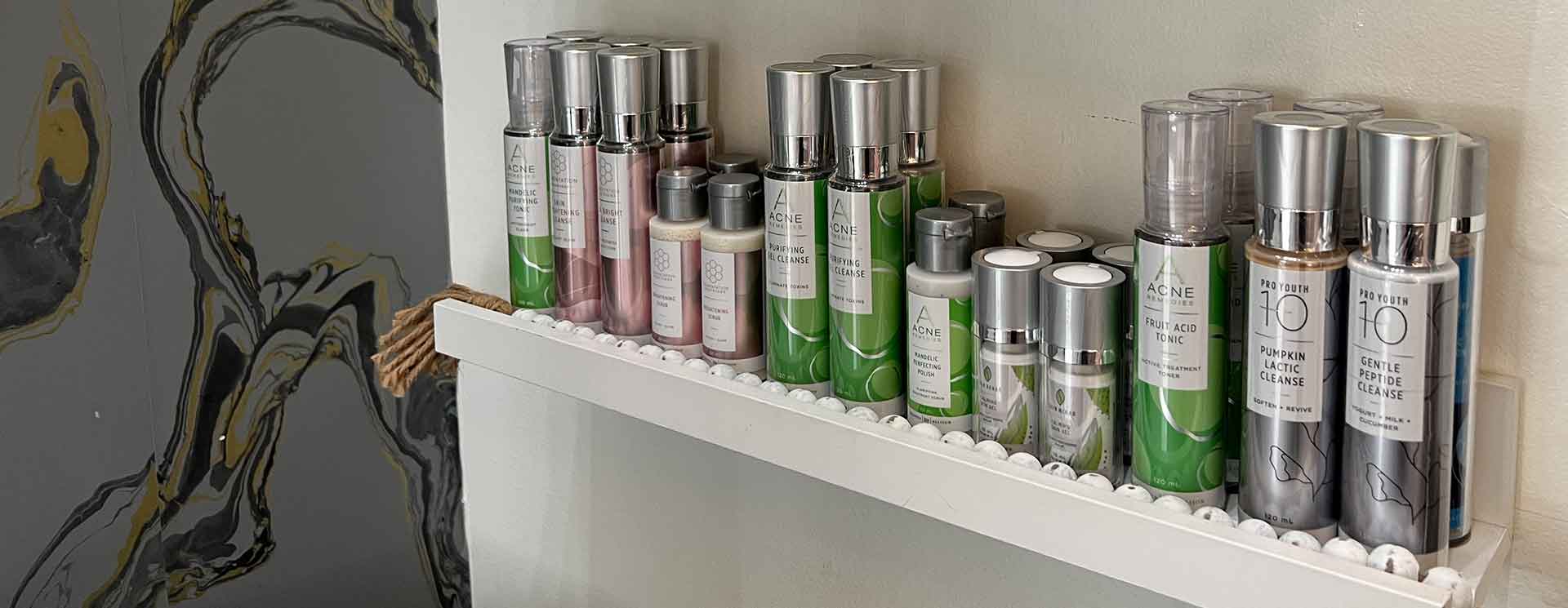
Depending on your skin and the products you’re using, that may mean a very gentle exfoliating product that can be used regularly or a stronger exfoliant used only a few times per week.
The important word is gentle.
Your skin doesn’t need to feel raw, tight, excessively dry, or irritated for exfoliation to be working. Scrubbing harder, layering multiple acids, or constantly trying to make your skin peel can disrupt the skin barrier and create inflammation.
This is particularly important for acne-prone and darker skin, where unnecessary inflammation can contribute to additional breakouts or post-inflammatory hyperpigmentation.
Your home skincare should support your professional treatments—not compete with them.
And if you’ve recently had a stronger chemical peel, microneedling, laser treatment, or another procedure that temporarily disrupts the skin barrier, exfoliating products generally need to be stopped during healing and reintroduced when appropriate.
For a deeper explanation, read Professional vs. At-Home Exfoliation: What’s the Difference?.
Can You Get Facials Too Often?
Yes—particularly if your facials repeatedly include aggressive exfoliation.
More isn’t always better when it comes to skin.
Repeatedly exfoliating skin that hasn’t adequately recovered can lead to dryness, sensitivity, irritation, inflammation, and barrier disruption. In skin that is susceptible to hyperpigmentation, unnecessary inflammation can also increase the risk of unwanted pigmentation.
This is another reason what is included in your facial matters more than simply following a calendar.
A gentle hydrating treatment may be perfectly appropriate at a time when another peel would not be.
Do You Need the Same Facial Every 4–6 Weeks?
No. Your skin isn’t exactly the same every month, so your facial doesn’t necessarily need to be either.
You may need more hydration during one appointment, more exfoliation at another, or extractions when you’re congested. Your treatment may also need to change because of increased sun exposure, dry weather, travel, stress, hormonal changes, or changes in your home skincare.
However, the foundation of a good facial generally remains the same: appropriate exfoliation along with hydration, nourishment, and support of a healthy skin barrier. The type and amount of exfoliation or hydration should be adjusted to what your skin needs at that particular time.
For example, one appointment may include an enzyme or light chemical peel, while another may include dermaplaning or microdermabrasion. If your skin is dry, dehydrated, sensitive, or recovering from increased environmental exposure, the emphasis may shift toward hydration and barrier support rather than stronger exfoliation.
At Celebrity Skin Scottsdale, I customize treatments based on what your skin needs at that appointment rather than automatically performing the exact same facial every time.
The goal isn’t to do as much as possible to the skin. It’s to exfoliate appropriately, restore hydration, support healthy skin function, and address your individual skin concerns without over-treating it.
Frequently Asked Questions
How often should you get a facial?
For most people, every 4–6 weeks is a good general guideline for professional facials and healthy skin maintenance. However, frequency should be adjusted based on your age, skin condition, treatment goals, home skincare, and what is included in the facial.
Is getting a facial every month too much?
Not necessarily. A facial approximately every 4–6 weeks is appropriate for many people, provided the treatment is suitable for the skin and isn’t repeatedly over-exfoliating or irritating it. A gentle facial and a stronger chemical peel should not automatically be placed on the same schedule.
How often should you get a facial for acne?
Some clients actively treating acne may benefit from professional treatments weekly or every two weeks initially, depending on the type of acne and what is included in the treatment. As acne improves, treatments can generally be spaced farther apart.
Do you need facials if you have a good skincare routine?
A good home skincare routine is extremely important, but home care and professional treatments serve different purposes. Gentle at-home exfoliation and daily skincare help maintain your skin between appointments, while professional facials provide additional exfoliation, extractions, hydration, equipment, treatment strength, and customization when needed.
How often should you exfoliate between facials?
There is no single schedule that works for everyone. Depending on your skin and the product, gentle exfoliation may be appropriate regularly or only a few times per week. The goal is consistent, gentle exfoliation—not aggressive exfoliation that leaves your skin irritated, tight, excessively dry, or peeling.
Should people with darker skin get facials less often?
Not simply because their skin is darker. Routine professional facials can generally follow similar schedules across skin tones. More caution is needed with stronger peels and aggressive exfoliation because inflammation can trigger post-inflammatory hyperpigmentation in melanin-rich skin. I often allow 6–8 weeks or longer after stronger or deeper peels in darker skin, depending on the treatment and how the skin has recovered.
Do you need the same facial every month?
No. Your skin changes with age, seasons, hormones, sun exposure, lifestyle, and even your home skincare. One month your skin may benefit from additional exfoliation, while another month hydration, calming treatments, extractions, or a different approach may be more appropriate.
How Often Should You Get a Facial? The Bottom Line
For most people who want to maintain healthy skin, getting a professional facial approximately every 4–6 weeks is a good general guideline.
Certain situations can change that schedule. Acne treatments may sometimes be performed weekly or every other week, while stronger chemical peels and more aggressive treatments require additional recovery time. With darker skin, I am particularly careful about allowing adequate recovery after more aggressive exfoliation to minimize unnecessary inflammation and the risk of post-inflammatory hyperpigmentation.
Between appointments, gentle at-home exfoliation, hydration, appropriate skincare, and daily sun protection help maintain healthy skin and the results of your professional treatments.
Your skin is a living organ that changes throughout your life. Taking care of it shouldn’t begin only when something goes wrong.
If you’re unsure how often you should get a facial or what type of treatment is appropriate for your skin, an in-person or virtual skin consultation can help determine a professional treatment and home-care plan based on your skin, concerns, and goals.