
Hyperpigmentation, Melasma, and brown spots
Hyperpigmentation is a common skin condition characterized by dark spots, melasma, sun damage, and uneven skin tone. It occurs when melanocytes produce excess melanin, often in response to a combination of internal triggers such as inflammation and hormonal imbalance, and external triggers like sun exposure and skin injury. Because these factors frequently overlap, long-term correction requires addressing more than just the visible pigment.
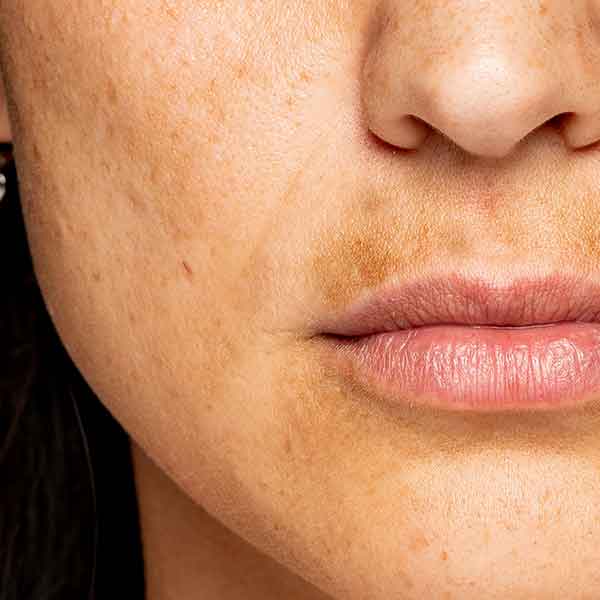
what causes hyperpigmentation?
Hyperpigmentation is rarely caused by a single factor. It is typically driven by a combination of internal and external triggers, including inflammation, hormones, sun exposure, skin injury, and irritation. Because multiple triggers are often involved, addressing only one can lead to temporary results rather than lasting improvement.
- Melasma: Splotchy, pigmented areas often on the face, commonly triggered by pregnancy or hormonal changes.
- Post-inflammatory hyperpigmentation (PIH): Dark patches left after skin trauma like pimples, burns, or scratches.
- Solar Lentigines/Freckles (Sun Spots/Age Spots): Brown or black spots, typically from prolonged sun exposure.
- Actinic Keratosis: Precancerous lesions caused by sun damage, appearing as rough, dry patches.
Besides sun exposure, several other factors can cause hyperpigmentation, including:
- Hormonal Changes: Conditions like pregnancy (melasma) or the use of birth control can lead to dark spots, especially on the face.
- Inflammation or Skin Injury: Post-inflammatory hyperpigmentation (PIH) occurs after skin trauma, such as acne, burns, cuts, or other skin irritations.
- Medications: Some drugs, like certain antibiotics, birth control pills, or chemotherapy treatments, can increase sensitivity to sunlight, leading to pigmentation changes.
- Age: As we get older, the skin’s ability to regenerate and repair itself decreases, leading to the appearance of age spots or liver spots, often from years of accumulated damage.
- Genetics: Some individuals are genetically predisposed to develop certain types of hyperpigmentation, such as freckles or melasma.
- Chemical Exposure: Certain chemicals, like those found in fragrances or skincare products, can trigger pigmentation, especially if your skin reacts to them.
- Health Conditions: Disorders like Addison’s disease or certain types of anemia can cause increased pigmentation in the skin.
- Dietary Factors: Poor diet, nutrient deficiencies, or inflammation due to food sensitivities can also contribute to skin discoloration.
Each of these factors can stimulate the overproduction of melanin, leading to dark spots and uneven skin tone.
What Causes Hyperpigmentation?
Hyperpigmentation develops when melanocytes (pigment-producing cells) are stimulated to produce excess melanin. This stimulation is most often triggered by:
- Inflammation
- Hormonal signals
- UV radiation and heat
- Skin injury or trauma
- Metabolic and nutritional imbalances
In many cases, pigmentation is the result of multiple triggers occurring at the same time, rather than one isolated cause.
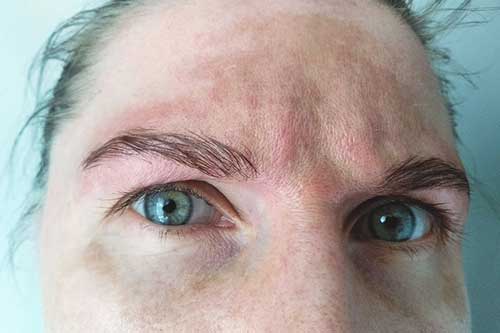
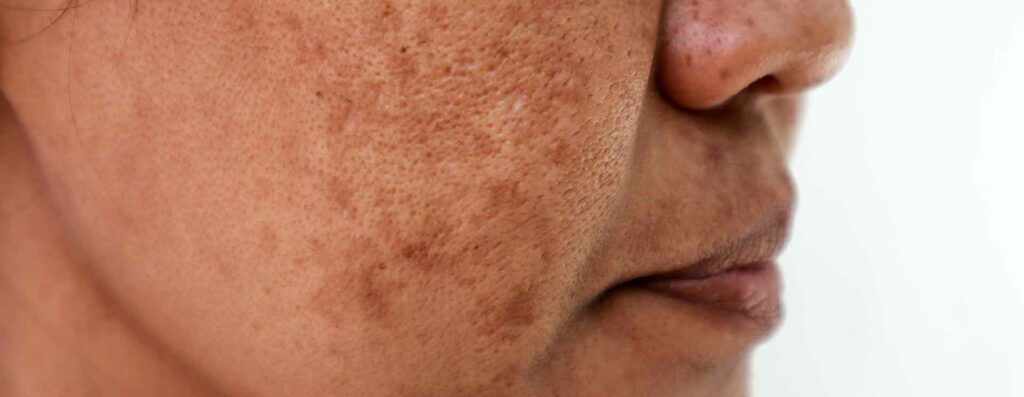
External Causes of Hyperpigmentation
External triggers originate outside the body and directly affect the skin. These include:
- Sun exposure (UV + visible light)
- Heat (a major trigger for melasma)
- Acne and breakouts
- Skin injury or trauma
- Irritation from skincare products
- Environmental exposure (pollution)
Each of these can lead to different types of hyperpigmentation, depending on how the skin responds.
For example:
- Acne or skin injury → post-inflammatory hyperpigmentation (PIH)
- Sun exposure → sun spots / age spots
- Heat + UV + hormonal influence → melasma
Internal Causes of Hyperpigmentation (Root Causes)
Internal triggers are often the reason pigmentation becomes stubborn or keeps returning. At the center of most internal causes is:
Inflammation
Inflammation signals melanocytes to increase melanin production, making it one of the most important drivers of hyperpigmentation.
Common Sources of Internal Inflammation
• High sugar / high processed food diets • Blood sugar imbalance and insulin resistance • Hormonal imbalance • Gut microbiome imbalance • Chronic stress (cortisol dysregulation) • Environmental toxin exposure • Certain medications • Chronic disease or autoimmune conditions • Low-grade or acute infections
Oxidative Stress (“Skin Rusting”) & Low Antioxidants
Another major contributing factor is oxidative stress, sometimes referred to as “skin rusting.” When the body has:
• Low antioxidant levels • High oxidative stress
…it can increase inflammation, damage skin cells, and contribute to uneven pigmentation.
This may be influenced by:
• Poor diet • UV exposure • Environmental toxins • Chronic internal stress
Scientific Evidence Supporting Internal Triggers
Hormones & Melasma Hormonal fluctuations (estrogen and progesterone) have been shown to stimulate melanocytes and contribute to melasma development.
Nutritional Deficiencies & Pigmentation Deficiencies in nutrients such as vitamin B12 and vitamin D are associated with pigmentation changes and impaired skin regulation.
Insulin Resistance & Metabolic Dysfunction Insulin resistance and metabolic imbalance are linked to abnormal pigmentation patterns and skin changes.
Inflammation & Melanin Production Inflammatory processes directly stimulate melanin production, reinforcing the role of inflammation in pigmentation disorders.
Types of Hyperpigmentation
Understanding the type of pigmentation is essential for choosing the right treatment approach.
Melasma
• Hormone-driven pigmentation • Appears as symmetrical brown or gray patches • Triggered by heat, sun exposure, and hormonal changes
Post-Inflammatory Hyperpigmentation (PIH)
• Dark marks left after acne, irritation, or skin injury • Common in acne-prone and darker skin tones
👉 Learn more: What Causes Brown Spots? Understanding Hyperpigmentation, Melasma, and Uneven Skin Tone
Sun Damage / Age Spots
• Caused by cumulative sun exposure over time • Strongly associated with oxidative stress (free radical damage) UV exposure increases oxidation in the skin, which: • Damages skin cells • Accelerates aging • Contributes to uneven pigment formation
Combination Pigmentation
Many individuals experience a combination of: • Melasma • PIH • Sun damage This is why a customized, multi-factor approach is necessary.
Why Hyperpigmentation Keeps Coming Back
Hyperpigmentation often returns when:
• Only one cause is being treated
• Internal triggers (inflammation, hormones, metabolic imbalance) are not addressed
• External triggers such as sun and heat continue
• The skin is not properly prepared before treatment
• No maintenance plan is followed
Most importantly: When treatment focuses only on the surface and does not take a functional approach— addressing both internal and external triggers—pigmentation is more likely to return.
Hyperpigmentation Treatment Options in Scottsdale
To effectively treat pigmentation, both the visible discoloration and underlying triggers must be addressed.
- Chemical Peels: Target discoloration using acids like glycolic or salicylic.
- Microneedling Peels: A procedure where tiny needles create micro-injuries in the skin to stimulate collagen, reduce pigment and enhance the effectiveness of topical solutions such as a chemical peel to reduce hyperpigmentation.
- Non-Ablative Lasers like Clear + Brilliant is a non-invasive non-ablative laser that targets pigment and promotes skin rejuvenation without damaging the surface, helping to reduce dark spots and improve skin tone.
- LED Light Therapy
- Topical Treatments: Products with alpha/beta hydroxy acids, Vitamin C, and melanin suppressants (e.g., hydroquinone alternatives) can reduce dark spots.
- Melanin Suppressants: Help control melanin production to balance pigmentation.
- Skin barrier repair
- Customized home care
The most commonly used drug for treating melasma is hydroquinone. It works as a skin lightening agent by inhibiting melanin production, which helps reduce dark spots. However, long-term use of hydroquinone can have potential side effects, so it’s important to use it under the supervision of a dermatologist.
Other options include:
- Tretinoin (Retinoid): Helps accelerate skin turnover, shedding dark skin cells and promoting clearer skin.
- Corticosteroids: In combination with other treatments, these can help reduce inflammation that may contribute to melasma.
- Tranexamic Acid: Can be used topically or orally to help reduce pigmentation, particularly in stubborn cases of melasma. It does not help with freckles and actinic keratosis.
These treatments are often used together for better results and should be combined with sunscreen to prevent further darkening. It’s important to choose treatments suited to your skin type to avoid worsening pigmentation, especially for darker skin tones.
When appropriate, combining treatments can:
• Improve results more efficiently
• Reduce inflammation
• Support long-term skin health
• Deliver more consistent outcomes
Hyperpigmentation in Darker skin tones
Hyperpigmentation affects people of all skin tones, but it can appear differently in darker-skinned individuals compared to lighter-skinned individuals. Here are the key differences:
Visibility:
- Darker Skin: Hyperpigmentation is more noticeable due to higher melanin levels.
- Lighter Skin: Hyperpigmentation often appears as pink or red spots and is less intense.
Types of Hyperpigmentation:
- Darker Skin: More prone to Post-Inflammatory Hyperpigmentation (PIH) and melasma.
- Lighter Skin: Sun spots and redness are more common.
Risk of Scarring:
- Darker Skin: Higher chance of keloid scars and darkening after skin trauma.
- Lighter Skin: More likely to develop lighter or hypopigmented scars.
Treatment Sensitivity:
- Darker Skin: Needs gentler treatments to avoid worsening pigmentation.
- Lighter Skin: More tolerant but still at risk for irritation or temporary darkening with aggressive treatments.
Hyperpigmentation and Brown Spots FAQ
What causes hyperpigmentation?
Hyperpigmentation is caused by excess melanin production triggered by factors such as inflammation, hormonal imbalance, sun exposure, skin injury, and metabolic or nutritional imbalances. In many cases, it develops from multiple triggers occurring at the same time, rather than a single cause.
What is melasma?
Melasma is a type of hyperpigmentation driven primarily by hormonal imbalance. It appears as symmetrical brown or gray patches on the face and is often triggered or worsened by heat, sun exposure, and hormonal changes such as pregnancy or birth control.
What is post-inflammatory hyperpigmentation (PIH)?
Post-inflammatory hyperpigmentation (PIH) refers to dark marks left behind after acne, skin irritation, or injury. It develops when inflammation stimulates melanin production during the skin’s healing process.
What are age spots or sun spots?
Age spots (also called sun spots or liver spots) are a type of hyperpigmentation caused by cumulative sun exposure over time. They are associated with UV damage and oxidative stress, which can accelerate skin aging and contribute to uneven pigment.
Is hyperpigmentation treatment safe for darker skin tones?
Yes—when performed correctly, treatments such as chemical peels, microneedling, and certain laser treatments can be safe for darker skin tones. Treatments must be customized carefully to minimize irritation and reduce the risk of post-inflammatory hyperpigmentation.
What is the best treatment for hyperpigmentation?
The most effective treatment typically involves a combination approach, such as chemical peels, microneedling, laser treatments, and customized skincare. Addressing both the visible pigment and the underlying triggers leads to better, longer-lasting results.
How long does it take to see improvement?
Some improvement can be seen within a few treatments, while deeper or more stubborn pigmentation may take several months. Consistency, proper skin care, and addressing underlying triggers all play a major role in results.
Can hyperpigmentation come back after treatment?
Yes—hyperpigmentation can return, especially in conditions like melasma and certain types of brown spots. In many cases, some pigment may not completely go away, but it can be significantly improved and managed over time. A long-term approach that includes maintenance treatments and addressing internal and external triggers helps keep pigmentation under control.
Why Choose Celebrity Skin for Hyperpigmentation Treatment in Scottsdale
At Celebrity Skin Scottsdale, hyperpigmentation is not treated as a one-size-fits-all condition. Many treatments focus only on removing visible pigment, which is why results are often temporary.
Our approach is different. We take a functional, corrective approach that addresses both the internal and external factors contributing to pigmentation—helping to improve not only how your skin looks, but how it behaves over time.
With over 25 years of experience, advanced certifications in nutrition and weight management, and extensive training in microneedling, chemical peels, medical aesthetics, and laser treatments, your skin is treated with a more comprehensive and results-driven approach.
We are also: • Laser certified for over 20 years • Experienced in treating acne, hyperpigmentation, and a wide range of skin conditions • Specially trained in treating darker skin tones safely and effectively, with a focus on minimizing the risk of post-inflammatory hyperpigmentation • Skilled in strategically combining treatments to achieve better results more efficiently
Jennifer is also the author of Getting Clear: Everything You Need to Know to Cure Acne Quickly, Easily and Naturally, bringing additional expertise in addressing skin conditions from both an internal and external perspective. 👉 View the book on Amazon
Every treatment plan is customized based on your skin, your triggers, and your goals—because lasting results require more than a one-size-fits-all approach.
✨ Ready to Treat Your Hyperpigmentation and brown spots? ✨
If you are dealing with: • Melasma • Brown spots • Acne marks • Uneven skin tone
The first step is identifying what is triggering your pigmentation with a skin consultation.
Custom services for hyperpigmentation and brown spots
- New Client Consultation + Treatment
- Acne Deep Pore Cleansing Chemical Peel Facial + Light Therapy
- Back Facial + Light Therapy
- Body Chemical Peel
- Celebrity Skin Medium Depth Chemical Peel
- Men’s Facial + Light Therapy
- Microneedling Treatment
- Acne Facial For Teens + Light Therapy
- VI Peel
- The “Works” Chemical Peel Treatment
* All hyperpigmentation treatment protocols can and will be customized for your specific needs and skin tone
Everyone’s skin is different. The best thing is to do is book a New Client Consultation + Treatment to discuss and personalize your treatment with products to meet your individual needs.