
By Jennifer Swink | Celebrity Skin
Brown spots, also known as hyperpigmentation, occur when the skin produces excess melanin — the pigment responsible for skin color. While sun exposure is a common trigger, brown spots are often influenced by a combination of factors including inflammation, hormonal imbalance, oxidative stress, diet, medications, and skin barrier health. At Celebrity Skin in Scottsdale, we take a comprehensive approach to treating hyperpigmentation by addressing both external and internal triggers that affect how melanocytes behave.
What Are Brown Spots?
Brown spots are areas of the skin where pigment has become concentrated due to increased melanin production. This process is controlled by melanocytes — specialized cells that respond to triggers such as UV exposure, inflammation, and hormonal signals.
When melanocytes are overstimulated, they produce excess pigment, leading to visible discoloration and uneven skin tone.
The Most Common Types of Brown Spots
Understanding the type of pigmentation is essential, because each behaves differently and requires a specific treatment approach.
Melasma
Melasma is a hormonally influenced pigmentation that appears as symmetrical patches, often on the cheeks, forehead, and upper lip.
Common triggers:
- Hormonal fluctuations (pregnancy, birth control, HRT)
- Sun and heat exposure
- Internal inflammation
Melasma tends to be chronic and requires ongoing management.
Post-Inflammatory Hyperpigmentation (PIH)
PIH develops after inflammation or injury to the skin.
Common causes:
- Acne
- Over-exfoliation or irritation
- Aggressive treatments
- Picking or trauma
This type of pigmentation is especially common in melanin-rich skin.
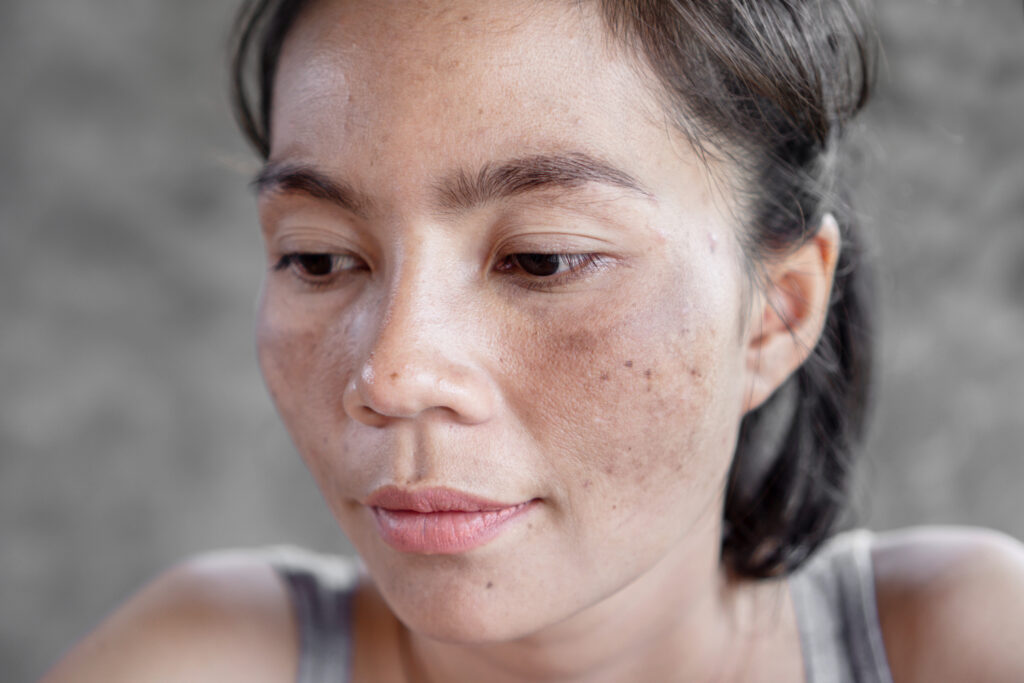
Sun Spots (Age Spots / Solar Lentigines)
Sun spots develop from cumulative exposure to ultraviolet (UV) radiation over time and are commonly found on the face, chest, shoulders, and hands.
How Sun Spots Form
When skin is exposed to UV light, melanocytes produce melanin to protect against damage. Over time, repeated exposure causes pigment to accumulate in localized areas rather than being evenly distributed.
This results in:
- Flat, well-defined brown spots
- Gradual darkening over time
- Pigment that may persist even after sun exposure decreases
The Role of Oxidation (“Skin Rusting”)
UV exposure also generates free radicals, which create oxidative stress in the skin — similar to a “rusting” process.
This oxidative damage can:
- Stimulate melanocytes
- Break down collagen
- Disrupt normal skin function
- Contribute to uneven pigment distribution
UVA vs UVB
- UVA rays penetrate deeper and contribute to long-term pigment and aging
- UVB rays trigger melanin production and sunburn
Because UVA is present year-round (even through windows), pigment can develop without obvious sunburn.
Freckles
Freckles are genetically influenced and tend to darken with sun exposure. While harmless, they can become more pronounced over time.
Why Brown Spots Are Not Just Caused by the Sun
While UV exposure plays a role, inflammation is one of the primary drivers of hyperpigmentation.
Inflammation stimulates melanocytes to produce excess pigment as a protective response. This is why brown spots often develop after:
- Acne, eczema, psoriasis, rosacea,
- Skin irritation
- Overuse of active products
- Aggressive or improperly performed treatments
- Pregnancy and/or birth control
- Out of balance hormones (excessive stress/cortisol production)
- Nutritional deficits
- Autoimmune disease
- Specific medications can increase inflammation and trigger excess pigment production
Inflammation can be both external and internal — and both matter when treating pigmentation.
How Overusing Skincare Products Can Worsen Pigmentation
Overusing topical products — especially exfoliants — is one of the most common causes of worsening hyperpigmentation.
Layering multiple actives such as:
- Chemical exfoliants (AHA/BHA)
- Retinoids
- Scrubs
- Active serums
…can disrupt the skin barrier.
When the barrier is compromised:
- The skin becomes more reactive
- Inflammatory signaling increases
- Sensitivity to UV exposure rises
This can trigger melanocytes to produce more pigment, leading to darkening rather than improvement.
A more controlled, strategic approach is essential — especially for pigment-prone and darker skin tones.
Internal Triggers of Hyperpigmentation
Blood Sugar, Insulin & Inflammation
A diet high in sugar, refined carbohydrates, and processed foods can lead to repeated spikes in blood sugar and insulin, which over time may contribute to insulin resistance and hormonal imbalance. Chronically elevated insulin levels can stimulate skin cell activity and melanocyte function, increasing the likelihood of excess pigment production. In addition, these metabolic changes can promote oxidative stress, which further contributes to uneven skin tone and persistent hyperpigmentation.
Inflammation is a key trigger for melanocytes, increasing the likelihood of persistent pigmentation.
Diet, Antioxidants & Oxidative Stress

Oxidative stress plays a role in how pigment develops and persists.
A diet rich in antioxidants may help support:
- Balanced skin responses
- Reduced oxidative damage
- Healthier skin repair
Important nutrients include:
- Vitamin C
- Vitamin E
- Polyphenols (berries, green tea)
- Carotenoids
While these do not remove existing pigment, they support overall skin health and resilience.
If you want to better understand how nutrition supports your skin, you can read more about achieving beautiful skin from the inside out.
Vitamin Deficiencies & Skin Function
Maintaining optimal levels of a broad range of vitamins and nutrients — not just those traditionally associated with skin health — plays an important role in how the skin regulates inflammation and pigment. Many nutrients support processes such as cellular repair, antioxidant defense, and inflammatory balance, all of which influence melanocyte activity. When nutrient levels are suboptimal, the skin may be more prone to inflammation and uneven pigmentation, both directly and indirectly.
Muti-Vitamin- Overall broad range of nutrients
B Vitamins (B12, folate)
Support cellular turnover and normal skin function.
Vitamin A
Supports skin repair and healthy cell turnover.
Zinc
Supports wound healing and inflammation regulation.
When these nutrients are lacking, the skin may be slower to recover and more prone to discoloration.
Hormones and Hyperpigmentation (Melasma)
Melanocytes respond to hormonal signaling, which is why some pigmentation develops internally.
Estrogen
A primary driver of melasma, increasing melanocyte activity.
Progesterone
Hormonal imbalance may contribute to uneven pigmentation.
Cortisol (Stress Hormone)
Elevated cortisol increases inflammation and can affect skin barrier function.
Insulin
Chronically elevated insulin levels can contribute to inflammation and hormonal imbalance.
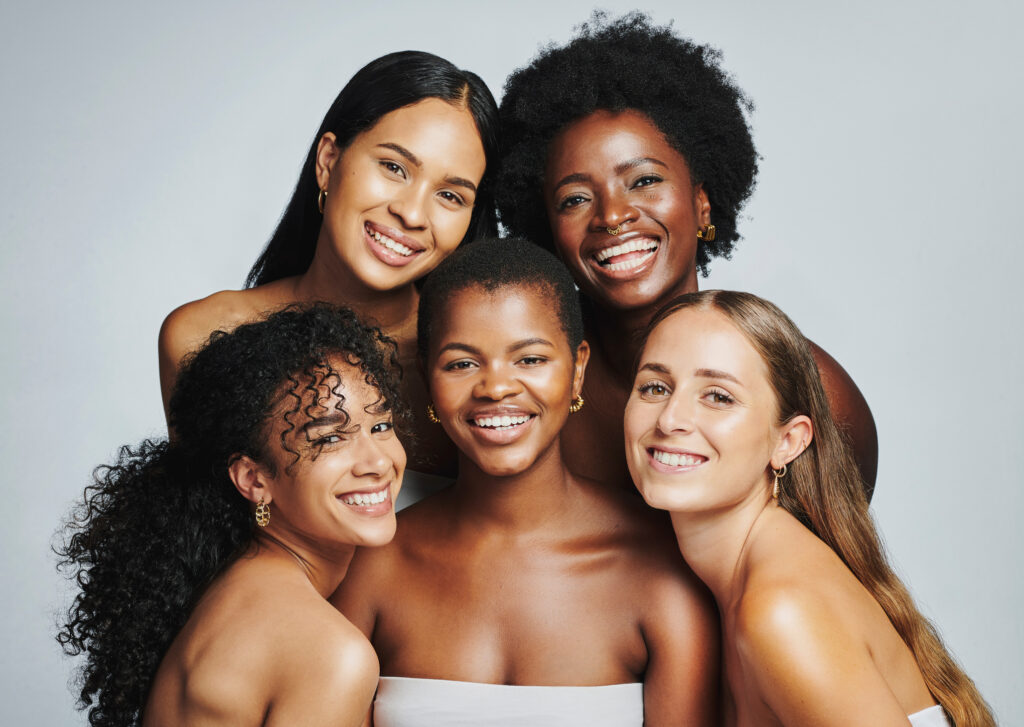
How Hyperpigmentation Affects Different Skin Tones
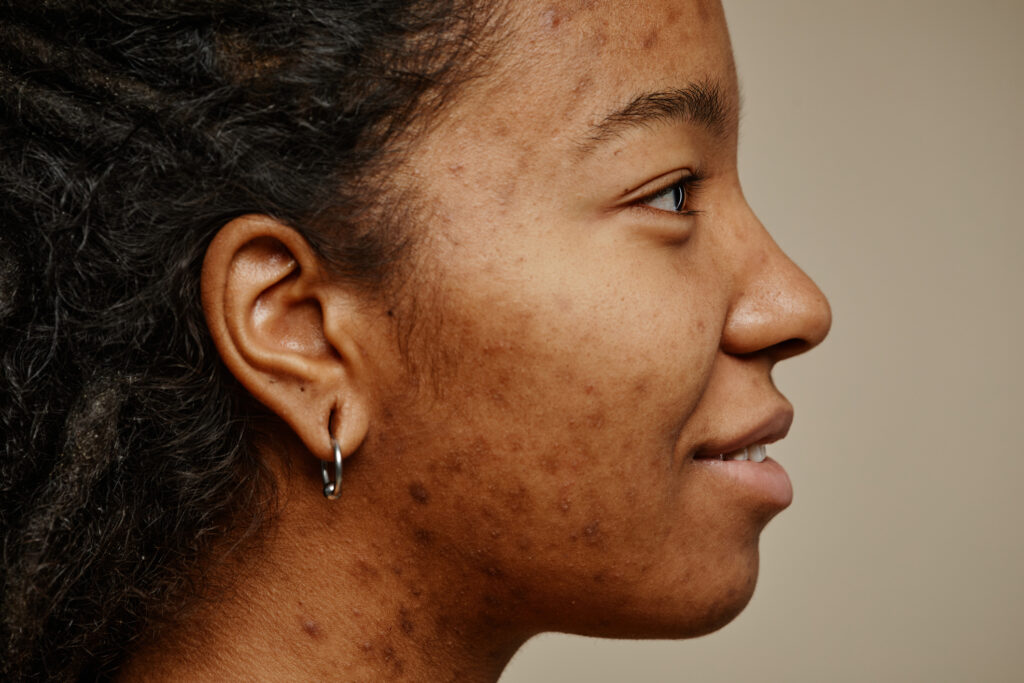
Melanin-rich skin contains more active melanocytes, making it more reactive to inflammation.
In darker skin tones:
- Pigment develops more easily
- Pigment lasts longer
- Risk of PIH is higher
In lighter skin tones:
- Sun exposure is a more common trigger
- Pigment tends to be more localized
At Celebrity Skin, we specialize in safe treatments for darker skin tones, focusing on controlled approaches that minimize inflammation.
Why Treating the Cause Matters
Treating brown spots without addressing the cause often leads to recurrence.
Effective treatment requires:
- Identifying triggers
- Reducing inflammation
- Supporting skin barrier health
- Using appropriate professional treatments
Professional Treatment Options for Hyperpigmentation
At Celebrity Skin in Scottsdale, treatment plans are customized based on the type of pigmentation and your skin type.
Options may include:
- Microneedling to support skin remodeling
- Chemical peels to improve tone and clarity
- Medium-depth peels for deeper correction
- Clear + Brilliant laser for controlled pigment improvement
- Consultation to help identify products for hyperpigmentation without over-irritating the skin.
Personalized Treatment in Scottsdale
Hyperpigmentation is complex and often influenced by multiple factors.
At Celebrity Skin, we take a comprehensive, individualized approach to treating brown spots — addressing both visible pigment and underlying causes.To determine the best treatment plan for your skin, schedule a consultation in Scottsdale.