
By Jennifer Swink | Celebrity Skin
The root causes of acne, hyperpigmentation, and aging are often linked to underlying internal factors such as chronic inflammation, hormonal imbalances, insulin resistance, and nutritional deficiencies—not just what’s happening on the surface of the skin.
At Celebrity Skin Scottsdale, identifying and correcting these root causes is the foundation of how we treat chronic skin concerns, because these conditions cannot be fully resolved with surface-level treatments alone.
If you’ve been struggling with breakouts, dark spots, melasma, or skin that seems to be aging faster than it should—despite trying multiple products or prescriptions—understanding the root causes of acne, hyperpigmentation, and aging may be the most important step toward achieving clear, healthy skin.
Table of Contents
- What are the Root Causes of Acne, Hyperpigmentation, and Aging?
- Who Is This Root Causes of Acne, Hyperpigmentation, and Aging Approach For?
- Root Cause #1 — Chronic Inflammation
- Root Cause #2 — Insulin Resistance and Sugar
- Root Cause #3 — Nutritional Deficiencies
- Root Cause #4 — Hormonal Disruption
- Root Cause #5 — Gut Imbalance
- Root Cause #6 — Chronic Stress and Cortisol
- Root Cause #7 — Environmental Toxins
- Why Conventional Treatments Often Fall Short
- The Bottom Line
- FAQs
What are the Root Causes Of Acne, Hyperpigmentation, and Aging?
Most skincare treatments focus on what you can see on the surface of the skin. The root causes of acne, hyperpigmentation, and aging approach works differently—it starts by identifying why these skin conditions are happening in the first place and addressing those underlying drivers alongside clinical treatments.
Your skin is your body’s largest organ and one of its most powerful indicators of internal health. Breakouts, dark spots, melasma, dullness, and early fine lines are not random—they are signals that something deeper may be out of balance.
The root causes of acne, hyperpigmentation, and aging are often linked to the same internal imbalances. These include chronic inflammation, insulin resistance and blood sugar dysregulation, nutritional deficiencies, hormonal disruption, gut imbalance, chronic stress, and environmental toxins.
Rather than being separate problems, these are shared biological drivers that can show up differently depending on your skin type, skin tone, genetics, and age.
Who Is This Root Causes Of Acne Hyperpigmentation and Aging Approach For?
The root cause approach to acne, hyperpigmentation, and aging is for anyone who is tired of temporary fixes and wants to understand what is truly driving their skin concerns.
This approach is especially effective for those dealing with chronic breakouts, stubborn hyperpigmentation, melasma, or accelerated aging who are ready to correct the underlying causes—not just treat the surface.
Adults With Persistent Acne
If you are in your 30s, 40s, or 50s and still breaking out despite trying every product and prescription available, the root cause approach is designed for you. Adult acne is almost always driven by internal factors that topical treatments alone cannot resolve. Learn more about acne treatment at Celebrity Skin Scottsdale.
People Struggling With Hyperpigmentation and Melasma
Whether you are dealing with post-acne marks, melasma, or uneven skin tone, hyperpigmentation is an inflammatory condition at its core. Treating it from the inside out produces dramatically better and longer-lasting results than topical treatments alone. Learn more about hyperpigmentation and brown spot treatment.
People With Darker Skin Tones
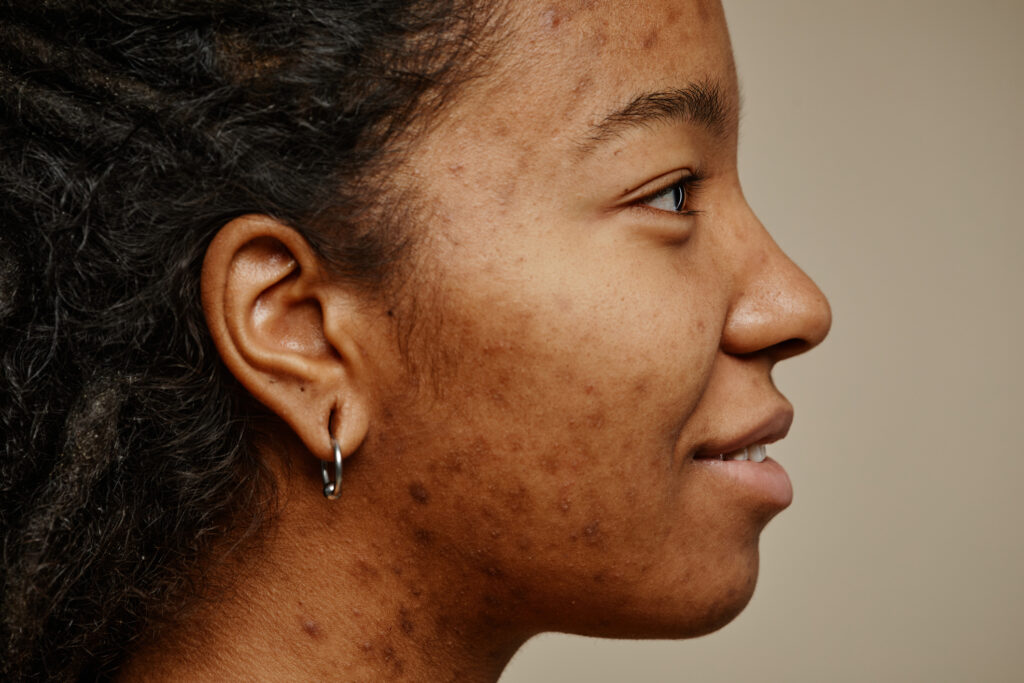
Melanin-rich skin responds to inflammation more intensely, meaning any inflammatory trigger carries a higher risk of leaving lasting pigmentation behind. Specialized knowledge and a root cause acne hyperpigmentation and aging approach are essential for treating darker skin tones safely and effectively.
Anyone Experiencing Premature Aging
If your skin seems to be aging faster than it should — loss of firmness, persistent dullness, fine lines appearing earlier than expected — internal inflammation, blood sugar dysregulation, and nutritional deficiencies are likely contributors that no procedure alone can fully correct.
Root Cause #1 — Chronic Inflammation Drives The Root Cause of Acne, Hyperpigmentation, and Aging
Chronic inflammation is the single thread running through the root causes of acne, hyperpigmentation, and aging simultaneously.

How Inflammation Causes Acne
The American Academy of Dermatology defines acne as a chronic inflammatory skin condition. Any approach to acne that does not address inflammation at its source is incomplete by definition.
How Inflammation Causes Hyperpigmentation and Melasma
When the skin experiences inflammation — whether from a breakout, sun exposure, or an internal imbalance — it signals melanocytes to overproduce melanin, leaving behind dark spots that can persist for months or years. This process, known as post-inflammatory hyperpigmentation, explains why clearing acne without addressing the inflammation underneath almost always leaves dark marks behind. For people with deeper skin tones this inflammatory response is significantly amplified, making an anti-inflammatory approach even more critical.
How Inflammation Accelerates Aging
Chronic low-grade inflammation accelerates the breakdown of collagen and elastin — the proteins responsible for keeping skin firm, smooth, and youthful. A review published in the Journal of Investigative Dermatology confirmed that chronic low-grade inflammation associated with aging, known as inflammaging, drives many age-associated conditions including visible skin aging. A 2025 review in the Journal of Cosmetic Dermatology further confirmed that inflammaging is characterized by elevated inflammatory markers that directly degrade collagen and elastin, leading to wrinkles and sagging skin.
Root Cause #2 — Insulin Resistance and Sugar Worsen Acne, Hyperpigmentation, and Aging
Blood sugar dysregulation and insulin resistance are among the most under-appreciated drivers and the root cause of acne, hyperpigmentation, and aging (all three conditions) — and almost nobody is talking about this in a skincare context.
How Sugar Triggers Acne and Hyperpigmentation

When you eat refined carbohydrates and sugar, blood sugar spikes and the body releases insulin. Chronically elevated insulin increases androgen production — hormones that stimulate oil glands and trigger breakouts. A randomized controlled trial published in the American Journal of Clinical Nutrition found that participants following a low glycemic load diet had significantly greater reduction in total and inflammatory acne lesion counts compared to those eating a high glycemic load diet. A 2022 systematic review in JAAD International further confirmed that high glycemic index and increased glycemic load intake are positively associated with acne severity. Elevated insulin also directly stimulates melanin production, worsening hyperpigmentation and melasma in people already prone to dark spots.
How Sugar Accelerates Aging Through Glycation
A process called glycation occurs when sugar molecules bind to collagen and elastin in the skin, forming Advanced Glycation End Products — AGEs. These AGEs make collagen stiff, brittle, and prone to breakdown, directly causing wrinkles, loss of firmness, and accelerated aging. A study in the British Journal of Dermatology confirmed that skin AGE accumulation is directly associated with visible signs of aging. Read more about how sugar affects your skin on the Celebrity Skin blog.
Root Cause #3 — Nutritional Deficiencies Fuel Acne, Hyperpigmentation, and Aging
What you are not getting in your diet matters just as much as what you are consuming too much of.
Zinc Deficiency and Acne
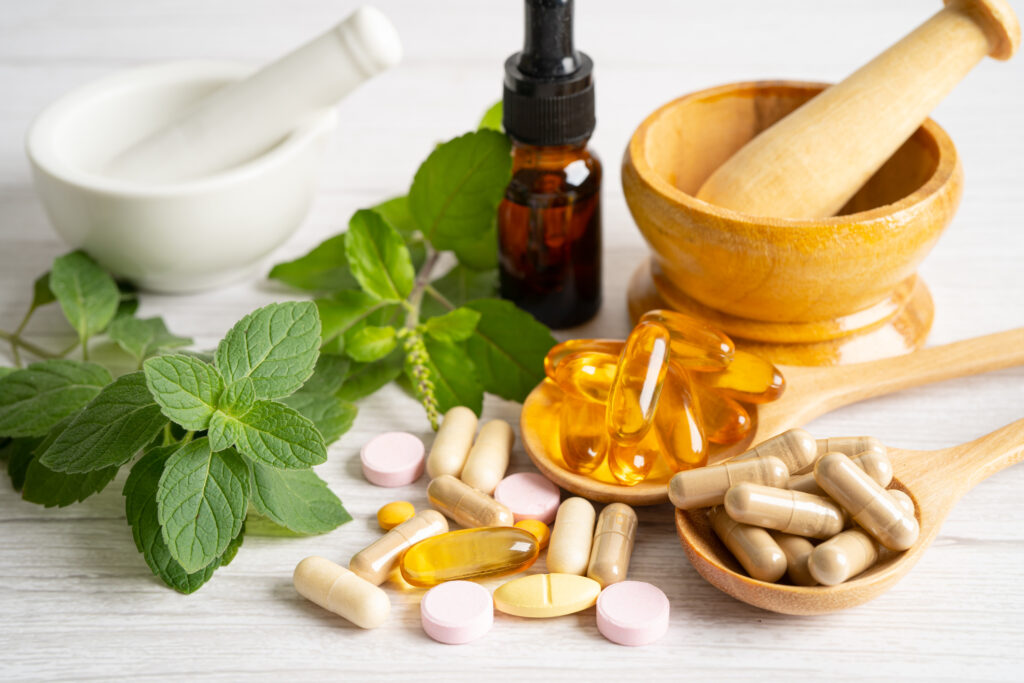
Zinc regulates oil production, reduces inflammation, and supports skin healing. A systematic review and meta-analysis published in Dermatologic Therapy found that acne patients have significantly lower serum zinc levels than people without acne, and that zinc supplementation produced significant improvement in inflammatory papule count. Zinc also supports collagen synthesis enzymes, meaning deficiency accelerates aging as well.
Vitamin A, Omega-3s, and Vitamin D
Vitamin A deficiency impairs skin cell turnover, contributing to clogged pores and a dull uneven complexion. Omega-3 deficiency reduces the skin’s ability to manage inflammation, directly worsening acne and accelerating collagen degradation. Low vitamin D levels have been linked to increased skin inflammation, impaired wound healing, and a weakened skin barrier — all of which contribute to persistent acne and slower recovery from hyperpigmentation.
Antioxidants and Hyperpigmentation
Low levels of vitamin C and vitamin E leave the skin vulnerable to oxidative stress — one of the primary mechanisms behind both hyperpigmentation and premature aging. Vitamin C is also essential for collagen synthesis, meaning deficiency directly accelerates visible aging. I work with clients through my New Client Skin Care Consultation + Treatment to identify nutritional gaps and recommend pharmaceutical-grade supplements through Fullscript.
Root Cause #4 — Hormonal Disruption Affects Acne, Hyperpigmentation, and Aging
Hormones are among the most powerful regulators of skin behavior, and disruption has cascading effects on the root cause of acne, hyperpigmentation, and aging simultaneously.
Androgens and Adult Acne
Androgens stimulate sebaceous glands to produce excess oil, feeding the bacterial environment that causes breakouts. Elevated androgens — from insulin resistance, chronic stress, PCOS, or dietary imbalances — are one of the leading drivers of adult acne in women. A review in the Journal of Clinical and Aesthetic Dermatology confirmed that addressing hormonal drivers is essential for long-term acne clearance.
Estrogen Decline, Melasma, and Aging
Estrogen decline beginning in perimenopause reduces collagen production, thins the skin, and increases the risk of melasma and hyperpigmentation. Women in their 40s and 50s dealing with breakouts and accelerated aging simultaneously are not experiencing two separate problems — they are experiencing the downstream effects of the same hormonal shift.
Root Cause #5 — Gut Imbalance and the Skin
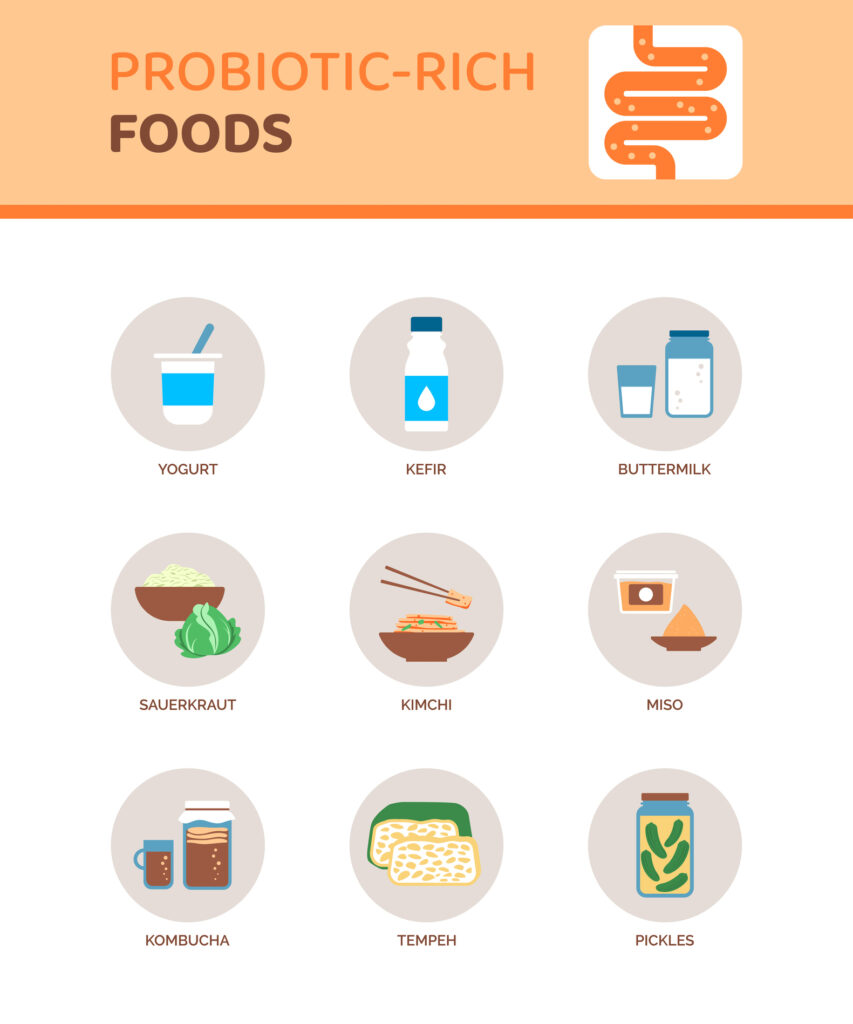
The gut-skin connection is one of the most rapidly growing areas of skincare research. An imbalanced gut microbiome increases systemic inflammation, disrupts hormone metabolism, and impairs the absorption of the very nutrients your skin depends on. Studies have found significant associations between gut dysbiosis and acne severity, and emerging research is connecting gut health to both hyperpigmentation and accelerated skin aging. Healing the gut is often the missing piece for clients who have tried everything else without lasting results.
Root Cause #6 — Chronic Stress and Cortisol Damage Skin at Every Level
Elevated cortisol (a stress hormone) suppresses immune function, increases inflammation, disrupts insulin regulation, and breaks down collagen. Chronic stress is simultaneously an acne trigger, a hyperpigmentation aggravator, and one of the fastest accelerators of visible aging. It is also the most overlooked root cause of acne, hyperpigmentation, and aging trigger in a clinical skincare setting. My background in health psychology means stress and its biological impact on skin is a central part of every treatment plan I create — not an afterthought.
Root Cause #7 — Environmental Toxins and Skin Health
Environmental toxins — found in non-organic food, unfiltered water, beauty products, cleaning products, and air pollutants — create a toxic burden on the body that manifests directly in the skin. Toxins disrupt hormonal balance, increase inflammation, impair detoxification pathways, and accelerate oxidative stress. The skin, as one of the body’s primary elimination organs, often bears the visible brunt of this toxic load and can be a root cause of acne, hyperpigmentation, and aging. Read more about how eliminating toxins improves skin health on the Celebrity Skin blog.
Why Conventional Treatments Often Fall Short
Clinical treatments and professional skincare procedures play an important role in improving the appearance of the skin. Treatments such as chemical peels, microneedling, and laser therapy can help address acne, hyperpigmentation, and visible signs of aging at the surface level.
However, when the root causes of acne, hyperpigmentation, and aging are not addressed, these treatments often produce suboptimal results—or results that don’t last. Treating acne with antibiotics, hyperpigmentation with lightening products, or aging with procedures alone may reduce symptoms, but it does not correct what is driving them internally.
This is why results often fall short or become temporary. Once treatments stop, breakouts, dark spots, and visible aging can return—because the underlying triggers remain.
Just as importantly, internal imbalances can directly impact how well your skin responds to treatment. For example, if the body is nutrient-deficient—such as low in protein, vitamin C, or zinc—or dealing with chronic inflammation or metabolic dysfunction, the skin may not be able to repair and regenerate optimally.
In this state, collagen production may be reduced, healing can be slower, and the risk of complications such as post-inflammatory hyperpigmentation may increase. This means even the best treatments may not deliver their full potential results.
In many cases, factors such as diet, stress, gut health, sleep, and hormonal imbalances are contributing to all three conditions at the same time. Without addressing these root causes of acne, hyperpigmentation, and aging, the skin can remain stuck in a cycle of temporary improvement followed by relapse.
The Bottom Line
Acne, hyperpigmentation, and aging are rarely just surface-level concerns. They are often driven by a combination of internal imbalances and external triggers.
When the root causes of acne, hyperpigmentation, and aging are not addressed, results tend to be temporary or incomplete—no matter how advanced the treatment.
But when you take an integrative approach—addressing both what’s happening inside the body and how the skin is being treated externally—you create the conditions for real, lasting skin improvement.
At Celebrity Skin Scottsdale, this is the foundation of everything we do.
👉 Book your new client skin consultation and uncover the root causes of your acne, hyperpigmentation, and aging.
You don’t need more products—you need the right strategy that combines the right plan, products, procedures, and both internal and external support.
FAQs
What are the root causes of acne hyperpigmentation and aging?
The root causes shared by acne, hyperpigmentation, and premature aging include chronic inflammation, insulin resistance and blood sugar dysregulation, nutritional deficiencies, hormonal disruption, gut imbalance, chronic stress, and environmental toxins. Addressing these internal drivers alongside professional clinical treatment produces far better and longer-lasting results than surface treatments alone.
Can diet really affect acne hyperpigmentation and aging?
Yes — and there is substantial clinical research supporting this. High glycemic diets worsen acne by elevating insulin and androgen levels, stimulate melanin production worsening hyperpigmentation, and accelerate aging through glycation damage to collagen. Reducing sugar and refined carbohydrates is one of the most impactful changes you can make for addressing root cause of acne, hyperpigmentation, and aging simultaneously.
Why does acne cause dark spots and hyperpigmentation?
When skin experiences inflammation from a breakout it triggers melanocytes to overproduce melanin in that area, leaving behind post-inflammatory hyperpigmentation. This is why treating the inflammation driving acne — not just the breakout itself — is essential for preventing lasting pigmentation, particularly in darker skin tones.
Is premature aging connected to acne and hyperpigmentation?
Yes. All three conditions share chronic inflammation as a primary driver. The glycation process driven by sugar damages collagen and elastin simultaneously accelerating aging and worsening acne and pigmentation. By addressing the root cause of acne, hyperpigmentation and aging simultaneously is one of the most powerful anti-aging strategies available.
Can people with darker skin tones safely receive professional treatments?
Yes — but it requires a provider with specific expertise in melanin-rich skin. Darker skin tones respond to inflammation more intensely and are more vulnerable to pigmentation changes from treatments if not performed correctly. Learn more about skincare for darker skin tones at Celebrity Skin Scottsdale.
What supplements help with acne hyperpigmentation and aging?
Vitamin deficiency can be a root cause of acne, hyperpigmentation, and aging. Zinc, vitamin A, omega-3 fatty acids, vitamin D, vitamin C, and vitamin E all play documented roles in managing inflammation, supporting skin healing, and protecting against premature aging. Identifying specific deficiencies and addressing them with pharmaceutical-grade supplementation is a core part of the integrative treatment approach at Celebrity Skin Scottsdale.
How is Celebrity Skin Scottsdale different from a regular spa or dermatologist?
Celebrity Skin Scottsdale combines advanced clinical skincare treatments with an integrative approach addressing the internal root causes of acne, hyperpigmentation, and aging. With 25 years of experience, a master’s degree in health psychology, certification in nutrition and weight management, laser certification, and specialized expertise in all skin tones including darker complexions, this approach goes significantly beyond what a typical spa or conventional dermatology appointment offers.