
By Jennifer Swink | Celebrity Skin
Adult acne affects over 50 million Americans and often continues into your 30s, 40s, and beyond. Unlike teenage acne, adult acne is driven by deeper internal factors—chronic inflammation, hormonal imbalance, stress, gut health, and environmental exposures that conventional treatments often overlook.
Table of Contents
- What Is Adult Acne and Why Is It an Epidemic?
- Who Gets Adult Acne After 30?
- Adult Acne Cause #1 — Hormonal Disruption
- Adult Acne Cause #2 — Chronic Inflammation
- Adult Acne Cause #3 — Insulin Resistance and Blood Sugar
- Adult Acne Cause #4 — Gut Imbalance
- Adult Acne Cause #5 — Nutritional Deficiencies
- Adult Acne Cause #6 — Chronic Stress and Cortisol
- Adult Acne Cause #7 — Environmental Toxins
- Adult Acne Cause #8 — The Wrong Skincare Routine
- How to Treat Adult Acne After 30
- Frequently Asked Questions About Adult Acne Causes and Treatment
What Is Adult Acne and Why Is It an Epidemic?
Research shows that stress, inflammation, and hormonal disruption are closely linked to acne development and worsening skin conditions. Emerging evidence shows that stress affects acne through multiple pathways—including hormonal fluctuations, immune response, and inflammatory signaling(https://www.researchgate.net/publication/380970144_Exploring_Stress-Induced_Mechanisms_in_Acne_Pathogenesis).
Diet also plays a major role. Studies have shown that diets high in refined carbohydrates and processed foods increase insulin levels, which can stimulate androgen activity, increase oil production, and worsen acne severity (https://www.ncbi.nlm.nih.gov/pmc/articles/PMC4884775/).
Environmental exposures further add to this burden. Research suggests that endocrine-disrupting chemicals and environmental toxins can interfere with hormone signaling and increase inflammatory responses—both of which are key contributors to acne development and persistence (https://pmc.ncbi.nlm.nih.gov/articles/PMC2726844/).
Adult acne is more persistent and complex than teenage acne because it is not caused by one factor, but by multiple internal and external influences building over time. As we get older, we experience more chronic stress, greater responsibility, and increased exposure to environmental toxins. At the same time, years of eating a high glycemic, processed diet can begin to impact blood sugar regulation, inflammation, and hormonal balance—further contributing to breakouts.
In addition, many adults begin using more skincare and cosmetic products in an effort to address aging concerns, which can sometimes disrupt the skin barrier or contribute to congestion if not properly selected.
If your acne hasn’t gone away, it’s not random—and it’s not something you “should have outgrown.” It’s a signal that something deeper is driving your skin. Understanding these factors is key to identifying what’s driving your acne.
Who Gets Adult Acne After 30?

Adult acne after 30 is a global condition that affects millions of people worldwide. Acne impacts approximately 20% of the global population at any given time, according to a large international dermatology study on skin conditions worldwide (https://www.pierre-fabre.com/en/news/first-global-study-dermatological-care).
It affects both men and women across all skin tones and ethnicities, though the underlying causes and triggers can differ based on hormonal profile, genetics, and lifestyle. However, research consistently shows that adult acne is more common in women than in men.
Globally, women are affected at higher rates—approximately 23–24% of women compared to about 17–18% of men, based on global dermatology data (https://www.pierre-fabre.com/en/news/first-global-study-dermatological-care). In adult populations specifically, studies estimate that up to 20–35% of women experience acne in their 30s, while rates in men are significantly lower, often around 8% or less (https://www.mdpi.com/2079-9284/12/3/106).
This shift may occur because, while teenage acne is often more common in males, adult acne is more strongly driven by hormonal fluctuations, stress, and internal factors—making it more persistent and more common in women over time, as discussed in dermatology research on global acne patterns (https://jcadonline.com/is-acne-same-around-the-world/).
Women Over 30 With Hormonal Acne
Women are disproportionately affected by adult acne, particularly around hormonal transition points — the menstrual cycle, pregnancy, perimenopause, and menopause. Breakouts that cluster along the jawline, chin, and neck are a classic sign of hormonal acne and one of the most common presentations we see at Celebrity Skin Scottsdale.
Hormonal imbalance drives adult acne from multiple directions. Elevated androgens overstimulate oil glands and trigger breakouts. Estrogen dominance — too much estrogen relative to progesterone — increases inflammation and is a common but underrecognized cause of acne in women.
As estrogen declines in perimenopause, the relative rise in androgens can cause women who never had acne in their youth to suddenly break out in their 40s and 50s — something a topical prescription simply doesn’t address. Breakouts during HRT are also common for the same reason.
Men With Persistent Adult Acne
Men with adult acne often experience breakouts on the face, back, and chest, frequently driven by elevated androgens, a diet high in refined carbohydrates, chronic stress, and gut imbalance. Testosterone replacement therapy (TRT), which is increasingly common in men over 30, can also directly trigger or worsen acne by raising androgen levels — yet this connection is rarely discussed or addressed by the prescribing provider.
Male adult acne tends to be more inflammatory than female adult acne and more likely to leave permanent scarring — in part because men are less likely to seek treatment early. Identifying and correcting the internal drivers, not just managing the surface, is essential for lasting clearance and preventing long-term skin damage.
Adults With Darker Skin Tones

For people with melanin-rich skin, adult acne carries an additional burden — every breakout has a higher risk of leaving behind post-inflammatory hyperpigmentation that can persist for months or years. This makes treating the root causes of adult acne even more critical for people with darker skin tones because managing inflammation is essential for preventing lasting dark marks alongside the acne itself.
Adult Acne Cause #1 — Hormonal Disruption Is the Leading Driver of Adult Acne Causes and Treatment
Hormones are the single most common driver of adult acne after 30 — and they are also the most frequently overlooked by conventional medicine.
Androgens and Excess Oil Production
Androgens including testosterone stimulate the sebaceous glands to produce excess sebum — the oil that clogs pores and creates the environment where acne-causing bacteria thrive. In adult women elevated androgen levels can result from conditions like polycystic ovarian syndrome, insulin resistance, perimenopause, or simply from the hormonal fluctuations that occur naturally throughout the menstrual cycle. A review published in the Journal of Clinical and Aesthetic Dermatology confirmed that hormonal factors play a central role in adult female acne and that addressing those hormonal drivers is essential for long-term clearance.
Estrogen Decline After 40
As estrogen levels decline during perimenopause and menopause, the relative dominance of androgens increases — meaning women who never had significant acne in their youth can suddenly develop persistent breakouts in their 40s and 50s. This is one of the most confusing and frustrating experiences for women in midlife and it is something that a standard prescription for topical retinoids simply does not address adequately. Breakouts are also common in women receiving Hormone Replacement Therapy (HRT).
Progesterone and the Menstrual Cycle
Progesterone surges in the second half of the menstrual cycle stimulate oil gland activity, which is why many women experience breakouts in the week before their period. For women with adult acne this cyclical pattern is an important diagnostic clue that hormones are at the root of the problem.
Adult Acne Cause #2 — Chronic Inflammation Drives Adult Acne at Every Age
The American Academy of Dermatology defines acne as a chronic inflammatory skin condition — meaning inflammation is not just a side effect of acne, it is a primary cause. In adults chronic inflammation is often more deeply entrenched than in teenagers because it has had more years to develop through accumulated dietary habits, stress, environmental exposures, and lifestyle factors.
Chronic low-grade inflammation increases the production of inflammatory cytokines that disrupt the skin’s microbiome, trigger excess oil production, and impair the skin’s natural healing process. This is why adult acne tends to be deeper, more cystic, slower to heal, and more likely to leave scars and dark marks than teenage acne. Treating adult acne causes and treatment without addressing inflammation at its source is one of the primary reasons conventional treatments fail long-term.
Adult Acne Cause #3 — Insulin Resistance and Blood Sugar Worsen Adult Acne Causes and Treatment
One of the most scientifically supported yet least discussed drivers of adult acne is insulin resistance and blood sugar dysregulation.
How High Glycemic Foods Trigger Breakouts
When you eat refined carbohydrates, sugary foods, and processed snacks, blood sugar spikes rapidly and the body releases a surge of insulin in response. Chronically elevated insulin levels increase androgen production, stimulate excess oil production, and create the inflammatory environment that drives adult acne. A randomized controlled trial published in the American Journal of Clinical Nutrition found that participants following a low glycemic load diet had significantly greater reduction in total and inflammatory acne lesion counts compared to those eating a high glycemic load diet.
Why This Gets Worse After 30
Insulin sensitivity naturally decreases with age, meaning adults are more susceptible to blood sugar dysregulation than teenagers even when eating the same diet. This is one of the key biological reasons adult acne causes and treatment look different from teenage acne — the dietary and metabolic drivers are more pronounced and more impactful in adults. Read more about how sugar affects your skin on the Celebrity Skin blog.
Adult Acne Cause #4 — Gut Imbalance and the Adult Acne Connection
The relationship between gut health and skin health is one of the fastest growing areas of dermatological research — and it is particularly relevant to adult acne.
An imbalanced gut microbiome — known as gut dysbiosis — increases systemic inflammation, disrupts the metabolism of hormones including estrogen and androgens, and impairs the absorption of the nutrients your skin depends on to stay clear and healthy. Studies have found significant associations between gut dysbiosis and acne severity, and emerging research suggests that supporting the gut microbiome through diet, probiotics, and lifestyle changes can produce meaningful improvements in adult acne.
Adults are particularly vulnerable to gut imbalances because of the cumulative effects of antibiotics — which are ironically one of the most common treatments prescribed for acne — processed food consumption, chronic stress, and alcohol consumption over many years. If you have been on multiple courses of antibiotics for your acne and find that they work temporarily but stop working over time, gut dysbiosis is very likely a contributing factor.
Adult Acne Cause #5 — Nutritional Deficiencies That Make Adult Acne Worse
Several nutritional deficiencies are directly and clinically linked to adult acne — and they are remarkably common in adults who eat a standard Western diet.
Zinc Deficiency
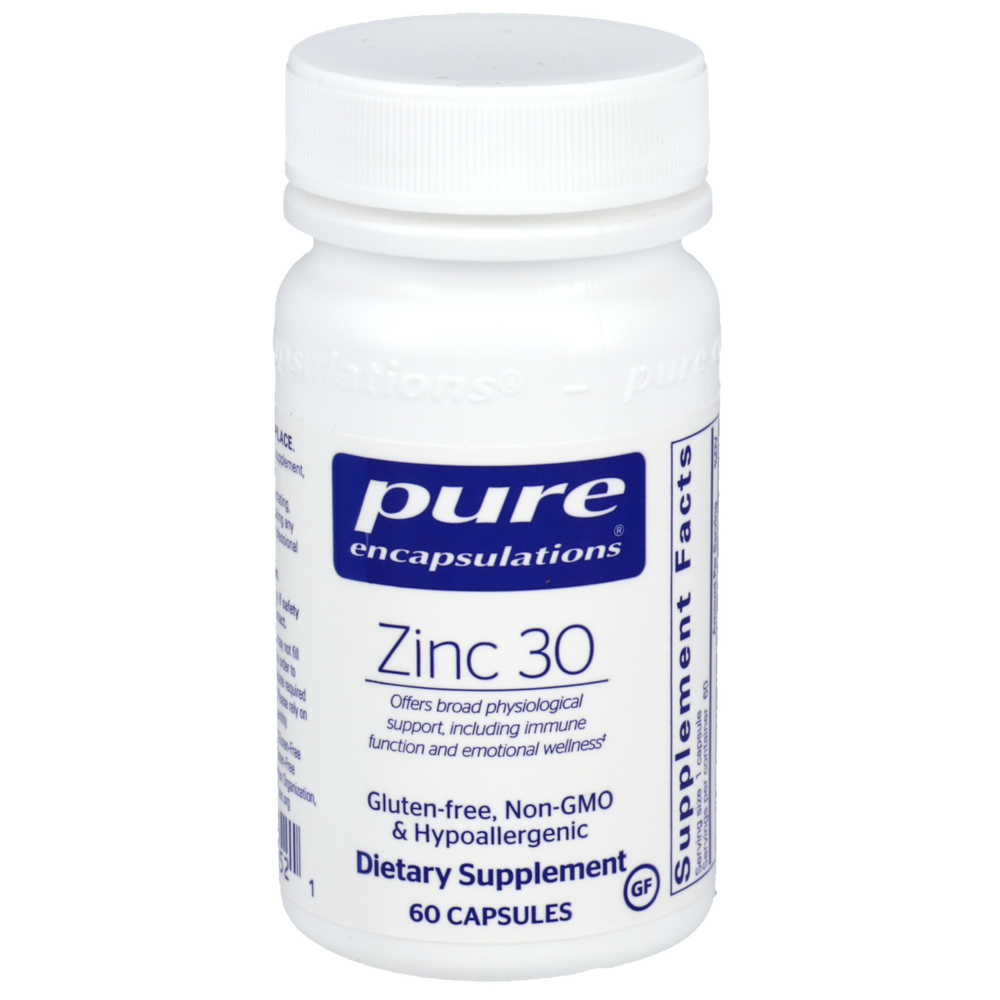
Zinc is one of the most well-documented nutritional contributors to acne. It regulates oil production, reduces inflammation, inhibits the growth of acne-causing bacteria, and supports skin healing. A systematic review and meta-analysis published in Dermatologic Therapy found that acne patients have significantly lower serum zinc levels than people without acne and that zinc supplementation produced significant improvement in inflammatory lesion counts. Adults who eat a diet low in zinc-rich foods like oysters, pumpkin seeds, and red meat are particularly vulnerable.
Omega-3 Fatty Acids
Omega-3 deficiency reduces the skin’s ability to regulate inflammation, directly worsening the inflammatory component of adult acne. Omega-3s also support a healthy skin barrier which prevents the moisture loss and sensitivity that often accompanies adult acne skin.
Vitamin D and Vitamin A
Low vitamin D levels have been linked to increased skin inflammation and impaired immune function — both of which contribute to persistent adult acne. Vitamin A deficiency impairs skin cell turnover, leading to clogged pores and a slower healing response after breakouts. I work with clients through my consultation process to identify which specific nutritional deficiencies may be driving their adult acne and recommend pharmaceutical-grade supplements through Fullscript as part of a comprehensive treatment plan.
Adult Acne Cause #6 — Chronic Stress and Cortisol Fuel Adult Acne After 30
Chronic stress is simultaneously one of the most common and most underestimated drivers of adult acne causes and treatment — and it tends to be significantly worse in adulthood than in the teenage years because adult life carries more sustained and complex stressors.
When you are under chronic stress your adrenal glands produce elevated levels of cortisol. Cortisol increases the production of androgens, stimulates excess oil production, disrupts gut health, impairs immune function, and drives systemic inflammation — all of which directly worsen adult acne.
My background is in health psychology and helping people identify tools to manage their stress is a central part of every adult acne treatment plan I create at Celebrity Skin Scottsdale.
Adult Acne Cause #7 — Environmental Toxins Trigger Adult Acne Causes and Treatment Challenges
Environmental toxins are one of the most overlooked drivers of adult acne. Unlike teenagers, adults have had years of cumulative exposure, making this a more significant factor after 30.
Key Environmental Triggers:
• Microplastics & Plastics
- Found in water, food, and air
- Act as endocrine disruptors (interfere with hormones)
- Can contribute to hormonal imbalance → increased breakouts
• Pesticides & Herbicides
- Found in conventional produce and animal products
- Linked to gut disruption and inflammation
- Impair hormone regulation and worsen acne
• Air Pollution
- Includes particulate matter, ozone, and toxins in the air
- Triggers oxidative stress and inflammation in the skin
- Associated with increased acne severity and premature aging
• Conventional Beauty Products
- The EU restricts 1,300+ cosmetic ingredients vs ~a dozen in the U.S.
- Some ingredients (phthalates, formaldehyde, certain parabens) are studied for hormonal and inflammatory effects
- Repeated exposure may contribute to cumulative “toxic load”
Why This Matters for Acne
- Environmental exposures can influence:
- Inflammation
- Hormonal balance
- Skin barrier function
👉 These are core drivers of adult acne, hyperpigmentation, and aging
What You Can Do
Choose cleaner skincare and beauty products
Choose “10-free” or “12-free” nail products
Reduce plastic use (especially with food + water)
Wash skin daily to remove pollution buildup
Adult Acne Cause #8 — The Wrong Skincare Routine Makes Adult Acne Worse
Many adults with persistent acne are unknowingly making their skin worse with the products they are using to try to fix it. Adult skin is fundamentally different from teenage skin—it is typically drier, more sensitive, slower to heal, and more prone to barrier disruption. This means the harsh, drying, stripping products often marketed for acne are frequently counterproductive for adults.
Common Skincare Mistakes That Worsen Adult Acne
• Over-Cleansing & Barrier Damage
- Washing more than twice daily or using harsh cleansers strips the skin barrier
- Triggers increased oil production and inflammation
- Leads to more persistent breakouts
• Using Products Designed for Teenage Skin
- Many acne products are too aggressive for adult skin
- Can cause irritation, dryness, and slower healing
- Adult acne requires a more balanced, barrier-supportive approach
• Over-Layering Too Many Active Ingredients
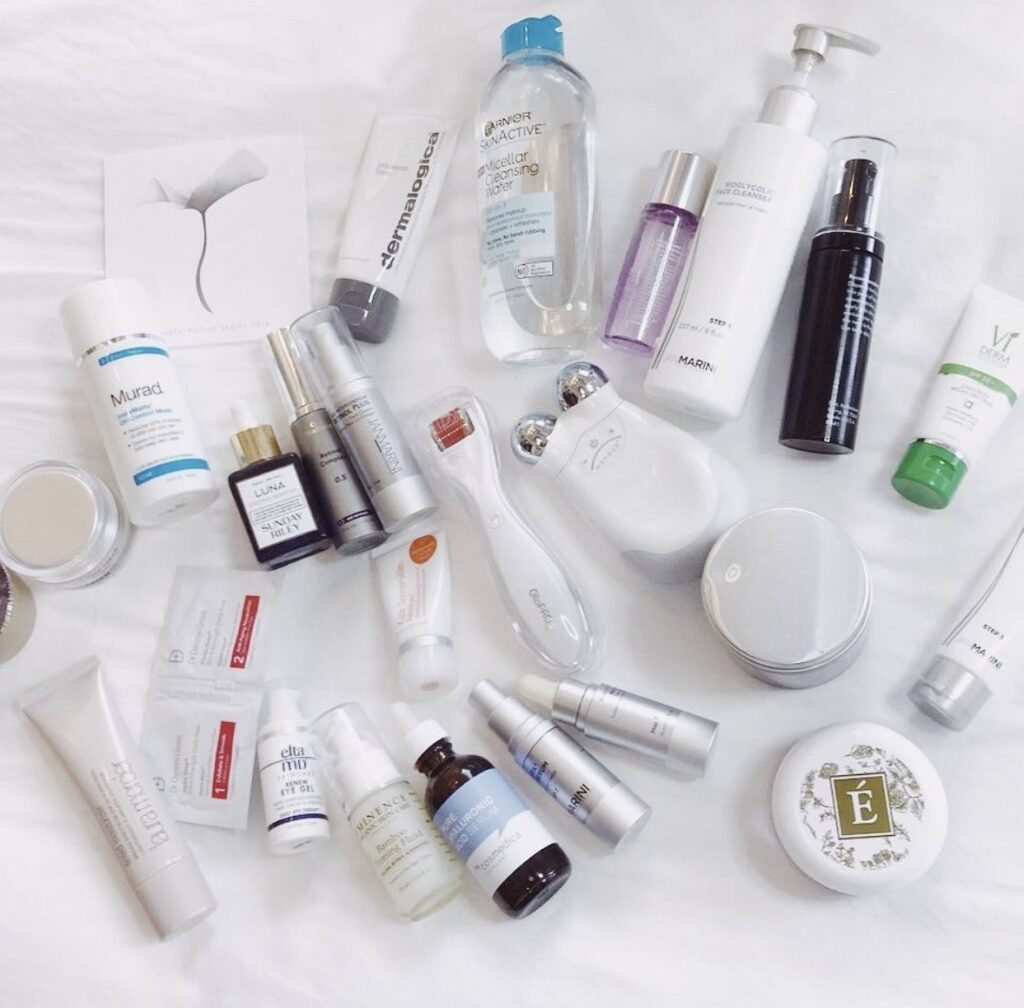
- Common in multi-step “adult acne systems”
- Mixing acids, retinoids, benzoyl peroxide, and exfoliants can overwhelm the skin
- Leads to barrier damage, irritation, and increased sensitivity
- Can actually worsen breakouts rather than improve them
👉 This often happens when skincare becomes overly complicated or driven by marketing rather than what the skin actually needs.
What Most Skincare Products Don’t Address
- Internal inflammation
- Hormonal imbalance
- Stress and cortisol
- Diet and blood sugar
- Environmental exposures
👉 While topical products can help manage symptoms, they do not correct the underlying root causes that drive adult acne.
Why This Matters
When the skin barrier is compromised and root causes are not addressed:
- Inflammation increases
- Oil production becomes dysregulated
- Healing slows down
- This is why adult acne often becomes chronic and difficult to clear
A Better Approach
Adult acne responds best to:
- Gentle, non-stripping cleansing
- Strategic use of active ingredients (not overuse)
- Barrier repair and hydration
- Addressing internal triggers alongside treatment
This is a core part of the personalized treatment approach at Celebrity Skin Scottsdale.
Not sure where to start? Book your New Client Skincare Consultation + Treatment here:
https://celebrityskinscottsdale.com
How to Treat Adult Acne After 30: An Integrative Approach to Adult Acne Causes and Treatment
Effective adult acne treatment requires addressing both the internal causes and the visible symptoms at the same time. At Celebrity Skin Scottsdale, we take an integrative approach to adult acne causes and treatment—combining advanced clinical treatments with a deeper focus on lifestyle, nutrition, hormones, and stress to identify what is actually driving each client’s breakouts.
Clinical Treatments for Adult Acne
Professional treatments for adult acne include chemical peels that exfoliate dead skin cells, reduce inflammation, and fade post-acne dark spots. Microneedling stimulates collagen production and improves the appearance of acne scars. LED light therapy reduces acne-causing bacteria and calms inflammation without irritating adult skin. Each treatment plan is customized based on skin tone, skin type, and the specific causes driving the individual client’s adult acne.
We Stack Treatments in a Single Session
One of the most effective ways to treat adult acne is by combining multiple clinical treatments—either over time or, when appropriate, within the same session. Strategic stacking allows us to enhance results, target multiple concerns at once, and make treatments more efficient for both time and cost.
Signature Acne Treatment
Our Acne Deep Pore Cleansing Chemical Peel Facial + Medical Grade LED Light Therapy is a perfect example of how stacking works and is part of our comprehensive approach to treating acne. You can explore all available options on our acne treatment services page:
https://celebrityskinscottsdale.com/treatments/
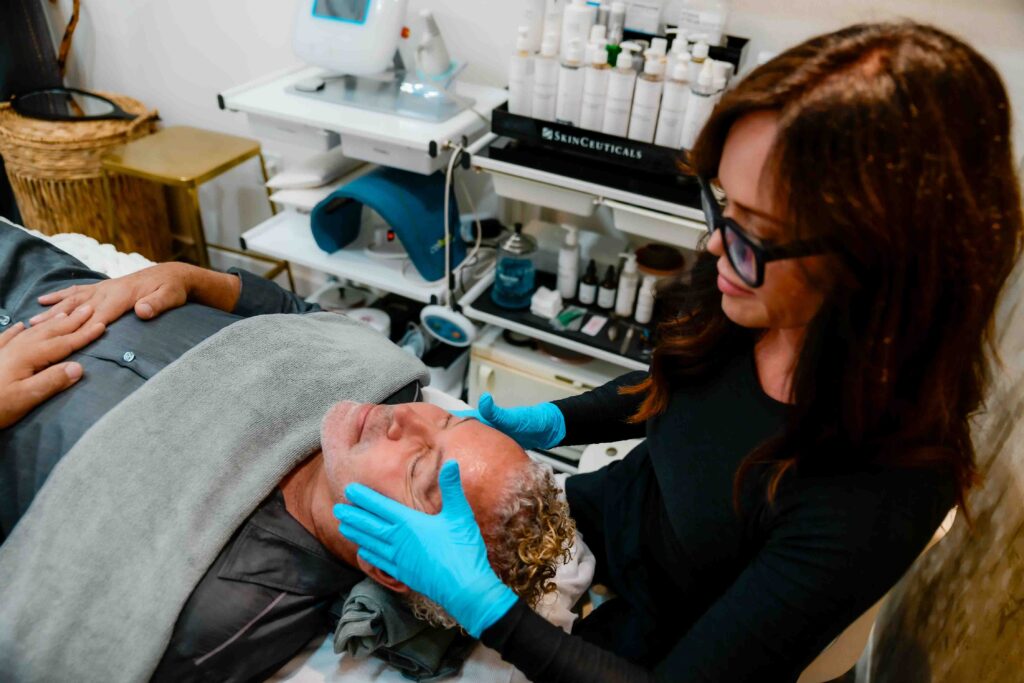
This treatment includes:
- Steam and deep pore cleansing
- Extractions to clear congestion
- Microdermabrasion to smooth texture
- A light chemical peel to exfoliate and refine
- Medical Grade LED Light Therapy to target acne bacteria, reduce inflammation, and support healing
This combination addresses active acne, clogged pores, texture, acne scars, and discoloration in one session.
It can also be performed on areas like the back, chest, and arms where acne is common.
Advanced Stacking for Scarring & Aging
For deeper concerns like acne scarring and aging, advanced treatments can be performed together in the same session when appropriate, including:
- Microneedling
- Chemical Peels
- Medical Grade LED Light Therapy
👉 Performing these together allows each treatment to build on the next—improving penetration, enhancing collagen stimulation, and accelerating healing.
👉 The result is more noticeable improvement in fewer sessions, while also saving time and cost compared to spacing treatments out individually.
The Cumulative Effect: Why Small Exposures Add Up to Adult Acne
No single exposure—to a toxin, a poor meal, lack of sleep, stress, or the wrong skincare product—is likely to cause acne overnight. That’s exactly why these factors are so easy to dismiss.
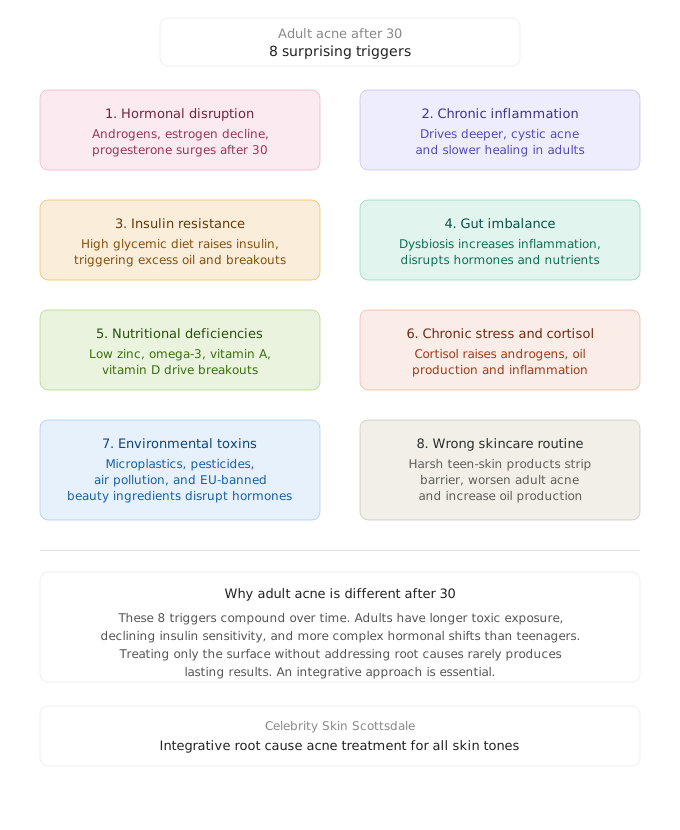
But the body doesn’t experience them in isolation—it experiences them collectively.
Over time, daily exposures begin to add up:
- Processed, high glycemic foods
- Poor sleep and disrupted recovery
- Chronic stress and elevated cortisol
- Environmental toxins and pollutants
- Hormonal fluctuations
- The wrong skincare products or routines
Individually, each one may seem minor. But together, over months and years, they create a cumulative burden that affects inflammation, hormone balance, gut health, and the skin barrier.
These are the same internal pathways that drive adult acne, hyperpigmentation, and premature aging.
This is why adult acne can feel persistent and unpredictable—it’s not one cause, but the accumulation of multiple small stressors over time.
And it’s also why real, lasting results require more than a single product or treatment. When you begin to reduce these exposures and support your body from the inside out, those same cumulative effects start working in your favor.
Small, consistent changes—combined with the right treatments—lead to clearer, healthier skin that actually lasts. This integrative approach is also the foundation of my book Getting Clear: Everything You Need to Know to Cure Your Acne Quickly, Easily and Naturally.
Why This Approach Works

- Targets multiple concerns at once (acne, scars, pigmentation, aging)
- Enhances treatment effectiveness through layering
- Reduces overall treatment time and cost
- Customized based on your skin type and goals
Next Steps
If you are ready to finally understand what is driving your adult acne and address it from the inside out book a consultation at Celebrity Skin Scottsdale. If you are not local to Scottsdale my book Getting Clear is available and covers the full integrative protocol in detail. And if you want ongoing education on adult acne causes and treatment, integrative skincare, and root cause approaches to skin health join my email community for weekly insights delivered straight to your inbox.
Frequently Asked Questions About Adult Acne Causes and Treatment
Why do I still have acne in my 30s, 40s, or 50s?
Adult acne is very common and is usually driven by internal factors—not hygiene. The most common causes include hormonal imbalance, chronic inflammation, blood sugar issues, stress, gut health, and cumulative exposure to environmental toxins. Unlike teenage acne, adult acne requires addressing these root causes to see lasting results.
Is adult acne different from teenage acne?
Yes. Adult acne is typically more hormonal, more inflammatory, slower to heal, and more likely to leave dark spots or scarring. Adult skin is also more sensitive, which means harsh acne products designed for teenagers can often make it worse.
What is the best treatment for adult acne?
The most effective approach combines professional treatments—such as chemical peels, microneedling, and LED light therapy—with addressing internal factors like hormones, diet, stress, and inflammation. Treating only the surface rarely leads to long-term improvement.
Can diet cause adult acne after 30?
Yes. Diet plays a significant role. High glycemic foods and sugar increase insulin levels, which can trigger oil production, inflammation, and breakouts. An anti-inflammatory, balanced diet can help improve acne over time.
Does stress cause adult acne?
Yes. Chronic stress increases cortisol, which can lead to more oil production, inflammation, and hormonal imbalance. This makes acne more likely and can slow the healing process.
Can beauty products or nail products contribute to acne?
Some conventional products contain ingredients that may affect hormones or increase inflammation. While no single product causes acne, repeated exposure—combined with other factors—can contribute to breakouts. Choosing cleaner, non-irritating formulations can help reduce this burden.
Can people with darker skin tones safely treat adult acne?
Yes—but it’s important to use the right treatments. Darker skin tones are more prone to post-inflammatory hyperpigmentation, so treatments must be carefully selected to reduce inflammation while safely clearing acne.
How long does it take to clear adult acne?
Most people start to see improvement within 6–12 weeks, but long-term results depend on consistency and addressing underlying causes. Because adult acne is multifactorial, a comprehensive approach produces the best outcomes.